10 October 2026, 07:37
Loading...
European Commission plans major change to grid planning, will present eight key projects
Veronika Jurcová
8 December 2025, 07:49

The European Union is preparing the biggest reform of energy infrastructure planning in decades. It is responding to the rapid growth of renewables and increasing congestion on transmission grids, which the European Commission says costs the EU economy billions annually and slows decarbonisation. Energy Commissioner Dan Jorgensen gave Financial Times a preview of the European Commission’s new plans.
Energy and Housing Commissioner Dan Jørgensen has described the slow pace of grid construction as the greatest threat to meeting the Union’s climate and security goals. The Commission will therefore introduce a new infrastructure planning model based on a top-down approach.
The Commission wants to identify the biggest investment gaps itself and propose projects to fill them. In his view, the current practice—under which countries have largely planned in isolation and without sufficient coordination—is preventing a genuine single energy market from functioning.
“This is not about transferring powers, but about enabling member states to do more and do it better,” Jørgensen said
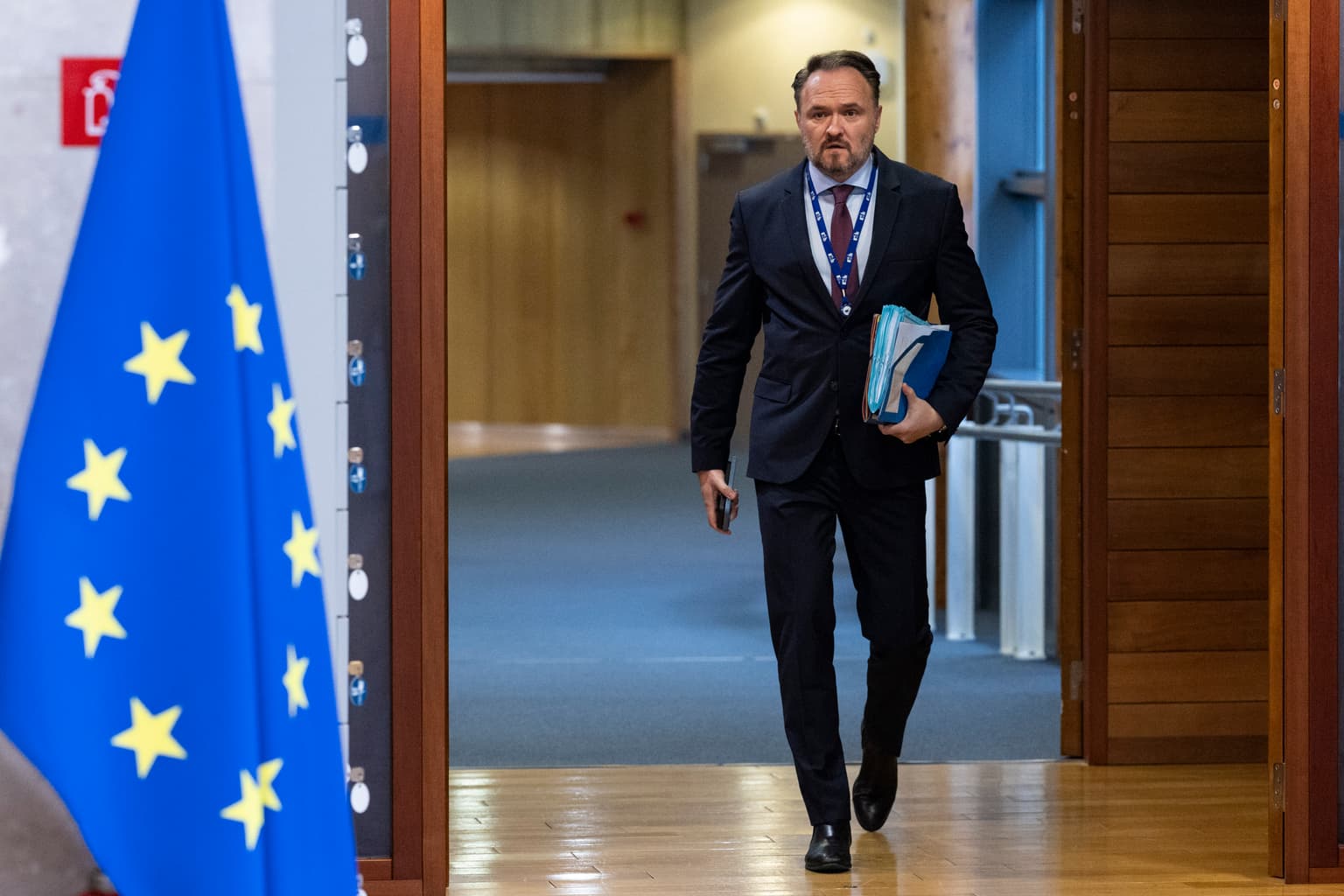
Source: European Commission: Dan Jørgensen, European Commissioner for Energy and Housing
“It is somewhat paradoxical that we have an internal market that works better for selling tomatoes or toothpaste than for energy, even though energy is now absolutely vital to our competitiveness, security and, of course, the fight against climate change,” Jørgensen added.
The Commission will present a comprehensive EU-wide scenario for energy infrastructure planning on Wednesday, 10 December.
Eight energy highways: a test of the new strategy
The first test of the new approach will be eight key cross-border projects, known as energy highways. They include a new electricity link across the Pyrenees, which will connect the Iberian Peninsula to the rest of the EU after years of negotiations; subsea cables linking Cyprus to the European grid for the first time; and newly built gas pipelines adapted to transport hydrogen in southern and south-western Europe. Other projects are intended to strengthen interconnections in the North Sea, the Balkans and the Baltic region—areas where transmission capacity is lagging significantly behind the pace of renewables development.
The rapid growth of renewables is the main reason for the mounting pressure on the grid. Wind and solar power plants are more volatile and geographically dispersed than conventional sources, increasing demands on transmission capacity and the flexibility of the entire system.
The major blackout on the Iberian Peninsula in April and last year’s extreme price fluctuations in Greece confirmed the need for stronger intervention, according to EU officials. The European Commission is also preparing a Europe-wide initiative to speed up and simplify permitting processes, which currently take years and burden projects with extensive red tape.
It will also issue clear guidance on how member states should prioritise projects that are essential for connecting to the grid, in order to shorten long waiting times and prevent curtailments that are already occurring in some countries.
Rising costs also confirmed by ACER and Aurora
The latest analyses also highlight the problem. According to Aurora Energy Research, congestion volumes could nearly double by 2030 to 140 TWh, equivalent to the Netherlands’ annual electricity consumption. Current congestion stands at 72 TWh, while annual redispatch costs amount to EUR 9 billion. In Germany alone, redispatch costs reached a record EUR 1.6 billion in the first half of 2025. Aurora estimates that Europe will need annual investment of EUR 81–124 billion for the grid to handle the integration of renewables; planned spending by transmission system operators, however, is around 28% short of that level.
The Agency for the Cooperation of Energy Regulators (ACER) has also been highlighting similar problems for a long time. The costs of congestion management reached EUR 4 billion in 2023 and, according to the agency, are set to rise further. ACER warns that rising costs of operating and developing grids are becoming one of the main factors affecting electricity prices for consumers and threaten the competitiveness of the European economy. Congestion is also most pronounced in regions with a high share of renewables, where insufficient capacity prevents their integration and slows decarbonisation.
ACER is calling for faster investment and better coordination between electricity, gas and hydrogen. According to the agency, energy infrastructure is essential for integrating markets and meeting Europe’s climate goals. By the end of 2025, system operators must also make at least 70% of capacity available for cross-border trade, which will put even greater pressure on grid modernisation.
Translation disclaimer
This article is a machine translation of the Czech original and has not yet been fully reviewed. In case of any doubt, please refer to the Czech version.
Sdílejte článek prostřednictvím:
You might also like

10 October 2026, 07:02


9 October 2026, 13:47