23 October 2026, 14:38
Loading...
European gas storage facilities are record full ahead of winter, helped by LNG imports and low gas prices

Martin Voříšek
21 October 2019, 14:05
Although gas production in Europe is gradually declining, European gas storage facilities are at record-high levels ahead of winter. This has been helped primarily by price differentials between individual gas supply contracts and record gas imports from the US. Nevertheless, ENTSOG does not rule out potential problems with supplies in south-eastern Europe.
It could be said that Europe is preparing very conscientiously for potential natural gas shortages, or even supply disruptions, ahead of the coming winter season. From a security-of-supply perspective, maintaining higher inventories this winter is warranted: the long-term contract for gas transit through Ukraine expires after the New Year, and a new agreement has yet to be reached.
While Russia, through Gazprom, favours only a short-term contract, it is in the interests of Ukraine and the EU to negotiate a long-term agreement and thus preserve gas transit fees for Ukraine.
According to ENTSOG statistics, gas inventories as of 1 October are at their highest level in the past 8 years, with a total stored volume of 1060 TWh as of 1 October 2019. High inventories have also been achieved because storage facilities were relatively full before mid-year, when inventories usually begin to build.
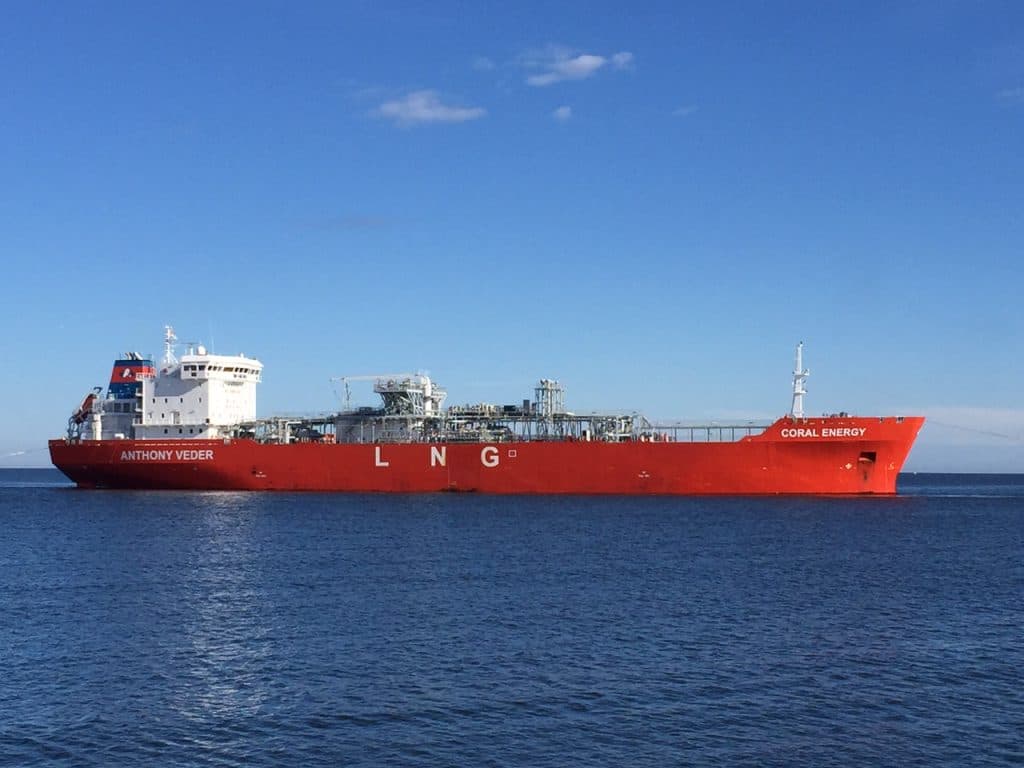
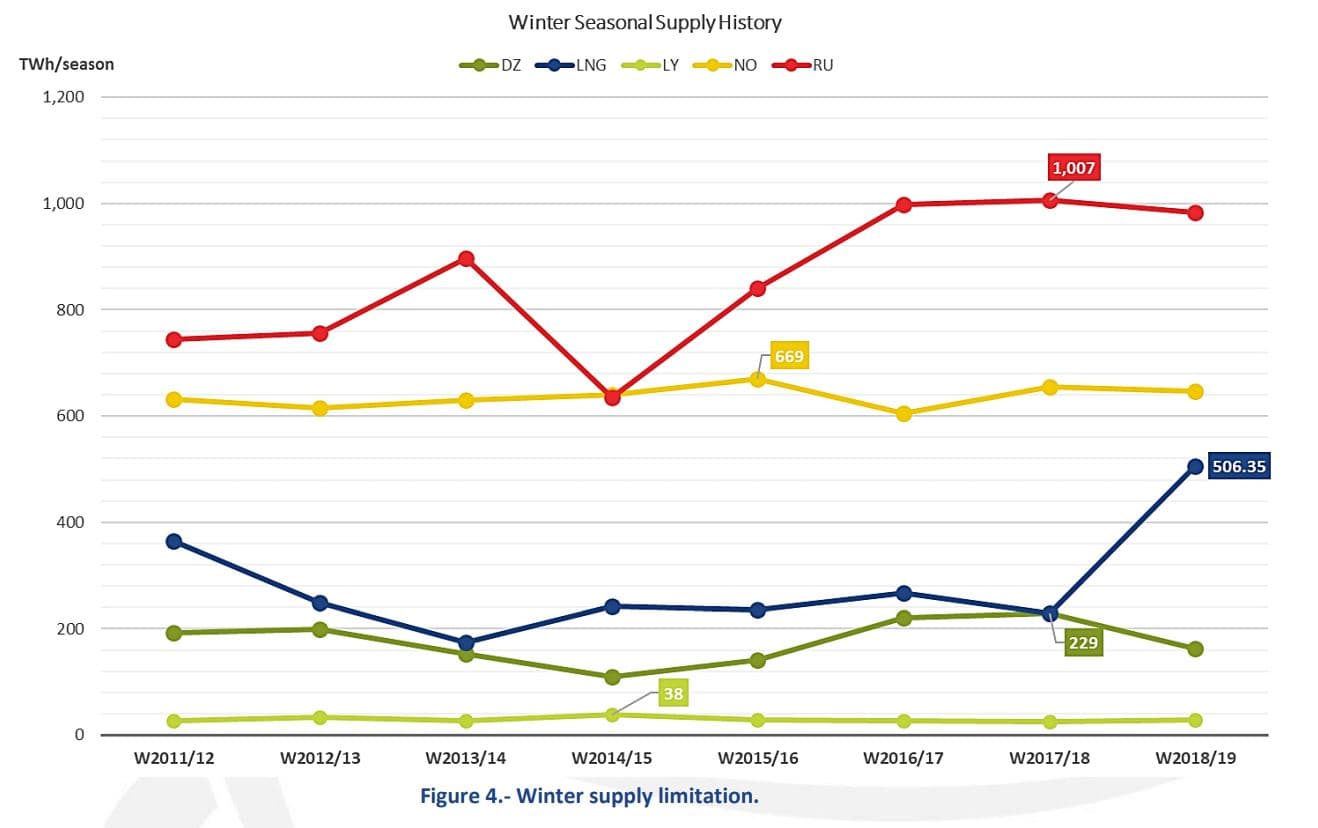
The trend has also been supported by high utilisation of LNG import terminals, with imports more than doubling year on year over the period under review. This has been significantly aided by higher natural gas imports from the US.
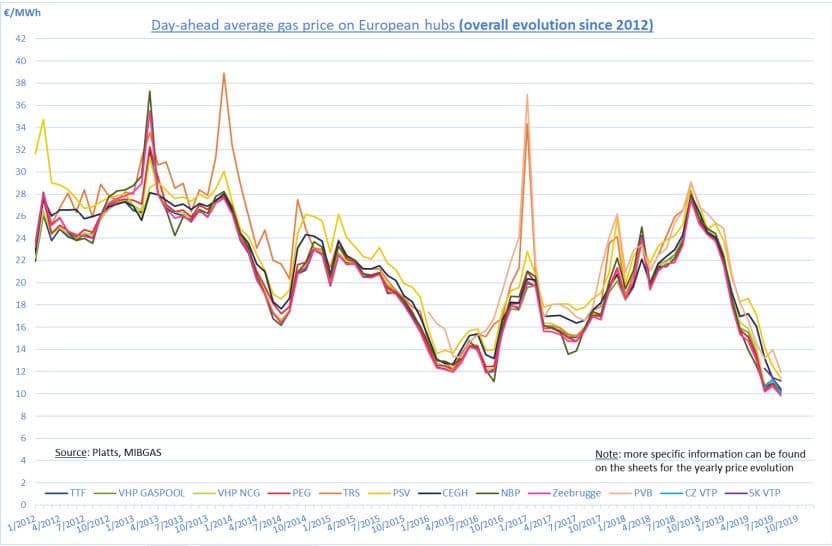
Very low natural gas prices on European spot markets during the year also had a significant impact.
However, ENTSOG also identifies several risks to gas supplies. One is insufficient transmission infrastructure to Bosnia and Herzegovina, which could lead to restrictions on gas supplies to customers during peak periods in the event of a significantly colder winter.
A warning was also issued in the event that gas transit through Ukraine is restricted. In that case, supplies to south-eastern Europe, particularly Bulgaria and Romania, could be at risk. However, the situation in south-eastern Europe should gradually improve thanks to the commissioning of the TurkStream pipeline at the turn of the year.
Translation disclaimer
This article is a machine translation of the Czech original and has not yet been fully reviewed. In case of any doubt, please refer to the Czech version.
Sdílejte článek prostřednictvím:
You might also like

23 October 2026, 11:01
23 October 2026, 06:34