19 October 2026, 10:37
Loading...
GasNet completes trunk gas pipeline near Jihlava in Czechia, tests its reliability with water
oEnergetice.cz
19 October 2026, 09:38
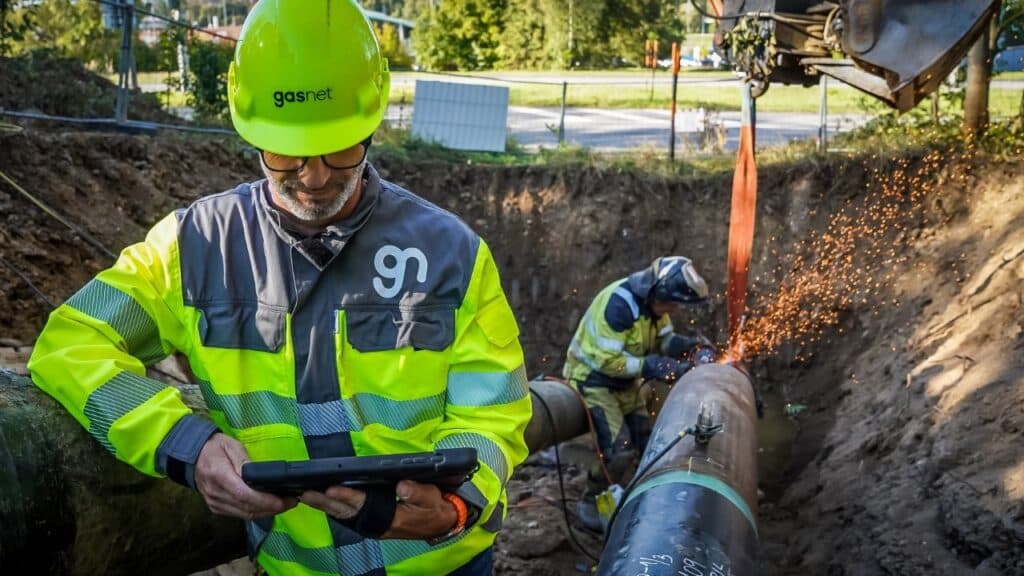
GasNet Group, the largest gas distributor in Czechia, is completing the reconstruction of a trunk high-pressure gas pipeline near Jihlava. Before it is commissioned, the new pipeline is undergoing a water pressure test. Gas engineers are using the test to verify that it has been built to a high standard. Thanks to appropriate technical measures, work has continued throughout construction without interrupting gas supplies to customers. The 74 million koruna investment will strengthen the long-term reliability of gas supplies in the Vysočina Region, where GasNet supplies more than 116,000 customers.
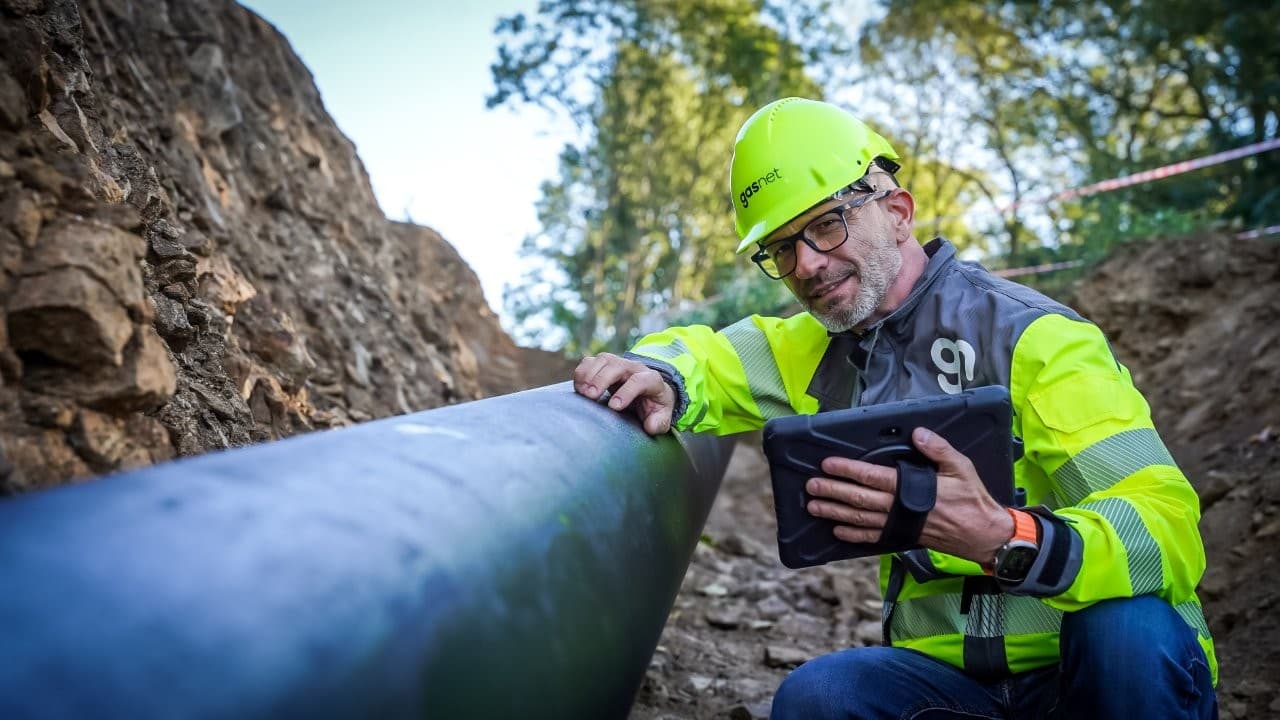
Gas engineers began reconstructing the 3,600-metre steel gas pipeline near Jihlava this spring. The project is part of the systematic modernisation of the Prague–Znojmo trunk gas pipeline. Built in the 1940s, it ran through a built-up area of Jihlava, specifically the Bedřichov district.
Reconstruction with consideration for customers and residents
To minimise disruption for property owners, gas engineers rebuilt the pipeline along a new route. They laid it outside the built-up area, roughly parallel to the E59 road. The new route meets the city’s needs for further development and future gasification. It also creates more suitable conditions for reliable pipeline operation in terms of protective and safety zones.
Source: GasNet
Where the pipeline route crosses the E59, gas engineers opted for a trenchless method known as guided boring. This allowed construction to proceed without disturbing the road surface, significantly reducing the impact on local traffic.
“While planning the project, we also looked for ways to maintain stable gas supplies throughout construction for local households and businesses, including those in the local industrial zone. We ultimately achieved this through appropriately selected technical measures,” says Pavel Komsa, director of investment and construction at GasNet Group.
Gas engineers use water to test the quality and safety of the new pipeline
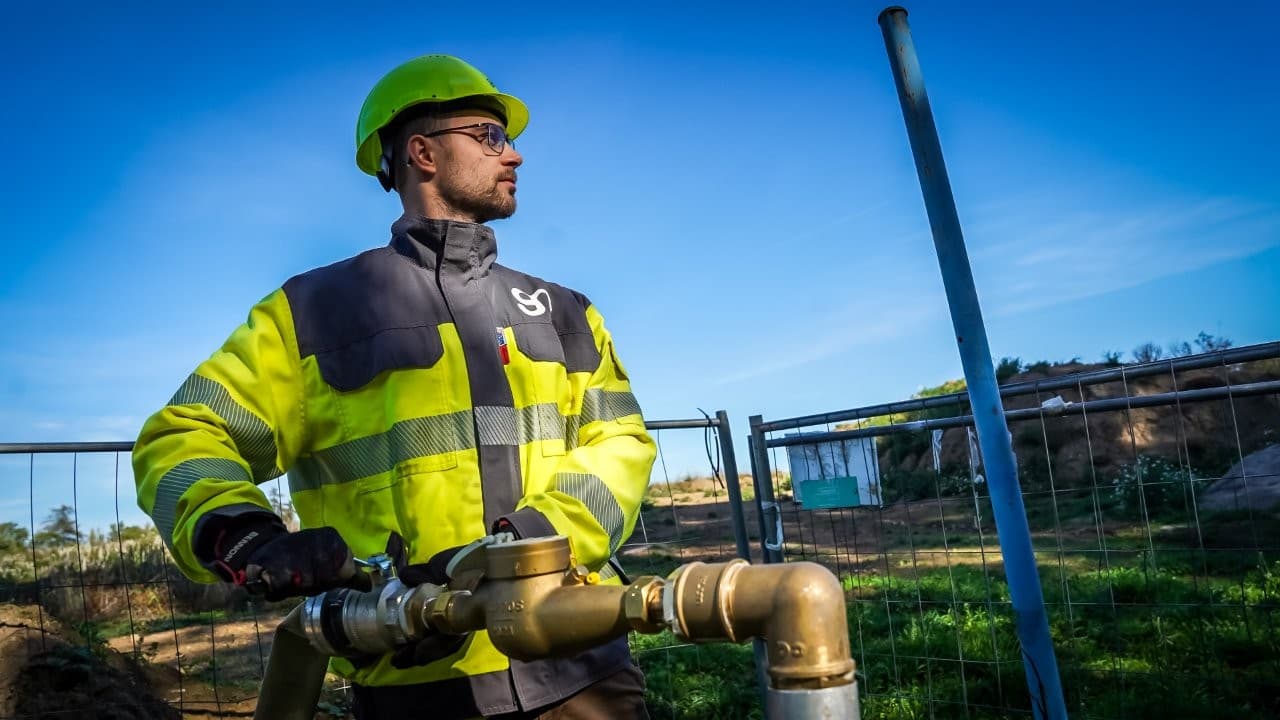
The reconstructed pipeline will be commissioned no later than November this year. Finishing work, including landscaping, will continue into 2027. Gas engineers are now carrying out a water pressure test on the pipeline. This is one of the key construction milestones, during which they check the pipeline’s tightness and strength to ensure it can operate safely in the future. Gas engineers routinely conduct water pressure tests on high-pressure gas pipelines before commissioning them.
“We always carefully check the quality of new infrastructure before it starts serving customers. Before commissioning, we fill the pipeline with water, gradually raise it to the specified pressure and monitor pressure stability throughout the test. If the pressure remains stable, this confirms that the pipeline is tight and strong,” explains Stanislav Bejr, head of construction management at GasNet Group.
Water is safer than air for pressure testing. Unlike air, it is almost incompressible, so much less energy builds up in the pipeline during the test. If a leak were to occur, only a small amount of water would escape and the pressure would drop more quickly. This significantly reduces risks to workers and the surrounding area. Water testing is also more accurate: even a small leak causes a clearly measurable drop in pressure that is easy to detect.
Source: GasNet
For the pipeline test near Jihlava, GasNet connected to the water main in agreement with the city and is filling the empty, gas-free pipeline with approximately 240 cubic metres of water. The water is uncontaminated and, once the test is complete, will be safely discharged into the stormwater sewer in accordance with the city’s requirements and applicable rules. To ensure no moisture remains in the pipeline after the pressure test, gas engineers will thoroughly dry it using specialist equipment.
“The water pressure test gives us and our customers confidence that the new pipeline is well prepared for safe and reliable operation over the long term,” concludes Pavel Komsa.
GasNet is modernising hundreds of kilometres of pipelines and dozens of regulator stations this year
The investment near Jihlava is part of a major modernisation of the gas network across the Czech Republic. In 2026, GasNet plans to complete 580 key construction projects, modernise approximately 250 kilometres of pipelines and upgrade 40 regulator stations. Its subsidiary Gas Distribution will carry out a further 105 investment projects, covering 36 kilometres of pipelines and 9 regulator stations. It operates the distribution system in the South Bohemian Region and part of the Vysočina Region. To plan the reconstruction of strategic gas pipelines more precisely, GasNet is increasing the annual scope of their internal inspections to a record 121 kilometres. This year, GasNet and Gas Distribution will invest a total of at least 6.5 billion koruna. The aim is to ensure safe, reliable and efficient gas distribution for Czech households and businesses over the long term.
Translation disclaimer
This article is a machine translation of the Czech original and has not yet been fully reviewed. In case of any doubt, please refer to the Czech version.
Sdílejte článek prostřednictvím:
You might also like

18 October 2026, 22:09