4 November 2026, 14:17
Loading...
German parliament adopts watered-down energy law on building heating
Klára Čeperová
13 September 2023, 14:37
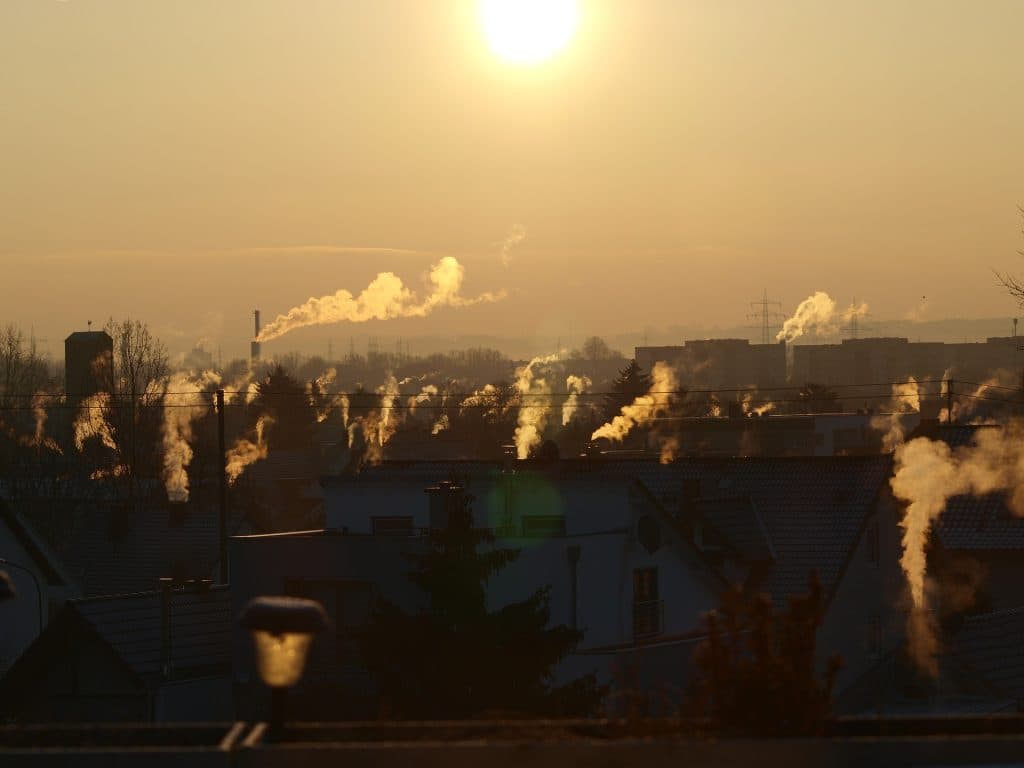
The German parliament has adopted a new energy law on building heating. After months of debate, it was amended to ease requirements for decarbonising heating systems. The law now includes a ban on new fossil-fuel heating systems by 2028 at the latest. Euractiv reported.
The energy crisis has fuelled a boom in fossil-fuel heating in Germany. Consumers are rushing to secure new oil and gas boilers so they do not have to switch to heating systems with higher upfront costs, such as heat pumps.
A total of 667 500 heating systems were sold in the first half of the year, a massive 44 % increase on the same period last year. Most of the units sold were gas-fired, at 385 000, while 48 500 oil boilers were sold. A total of 196 500 heat pumps were sold.
Against this backdrop, the German parliament passed an energy law intended to help the country achieve climate neutrality by 2045. To do so, however, 20 million heating systems in the country will have to use at least some renewable energy.
Easing the measures
Buildings are one of two reasons why Germany is expected to miss its 2030 climate target by around 200 million tonnes of CO2 emissions.
The three-party coalition of the Greens, FDP and SPD originally intended to meet the target by banning new fossil-fuel heating systems from 2024. Only systems capable of running on at least 65 % renewable energy were to be allowed. This would have limited consumer choice to heat pumps, biomass or district heating.
However, parliament approved a substantially amended version of the law. Instead of a blanket ban on fossil-fuel heating systems, the bans will be linked to the submission of municipal heating plans. Cities with more than 100,000 inhabitants are expected to do so by mid-2026, while smaller cities and municipalities have until mid-2028.
Climate targets remain out of reach
Because of the changes to the law, the emissions cuts needed to meet the targets now appear unlikely to be achieved, although statements by Green Party Economy and Climate Protection Minister Robert Habeck have been optimistic.
“With this very ambitious law, we will achieve three quarters of our original climate protection goals,” Habeck conceded.
However, calculations by the Öko-Institut suggest that the measures in the law will reduce CO2 emissions by a total of 39.2 million tonnes by 2030. That is the best-case scenario; in the worst case, total emissions reductions could amount to just 10.8 million tonnes.
The worst-case scenario also assumes that 90 % of homeowners will opt for fossil-fuel heating systems before the ban takes effect in 2026 in large cities and in 2028 in smaller cities.
Dissatisfaction on all sides
Environmental groups are deeply dissatisfied, while industry is complaining about the uncertainty caused by the dispute over the law and the subsequent delays.
“The current version of the law, which includes a boiler ban, is emblematic of the German coalition government’s evasion of climate policy, both in Germany and in Europe,” said Elisabeth Staudt, a buildings expert at the non-governmental organisation Environmental Action Germany (DUH).
Holger Lösch of the industry association BDI was not particularly enthusiastic either. “The political dispute over the Building Energy Act has created great uncertainty and has virtually brought building renovation to a standstill,” he said.
Nor are statements by the opposition conservatives reassuring. They are currently leading in opinion polls and have said they will repeal the entire law if they return to power after the 2025 election.
“As soon as we are back in government, we will repeal it,”said Jens Spahn of the CDU, an unsuccessful candidate for party leadership who is currently responsible for energy policy.
Before parliament’s summer recess, a court injunction issued by the highest instance, at the request of Christian Democrat MP Thomas Heilmann, blocked the law’s swift adoption and prolonged the process by several months.
Translation disclaimer
This article is a machine translation of the Czech original and has not yet been fully reviewed. In case of any doubt, please refer to the Czech version.
Sdílejte článek prostřednictvím:
You might also like

4 November 2026, 12:34

4 November 2026, 09:09