
11 October 2026, 08:24
Loading...
German police record hundreds of acts of sabotage against critical infrastructure, including the energy sector

David Vobořil
13 February 2026, 14:04
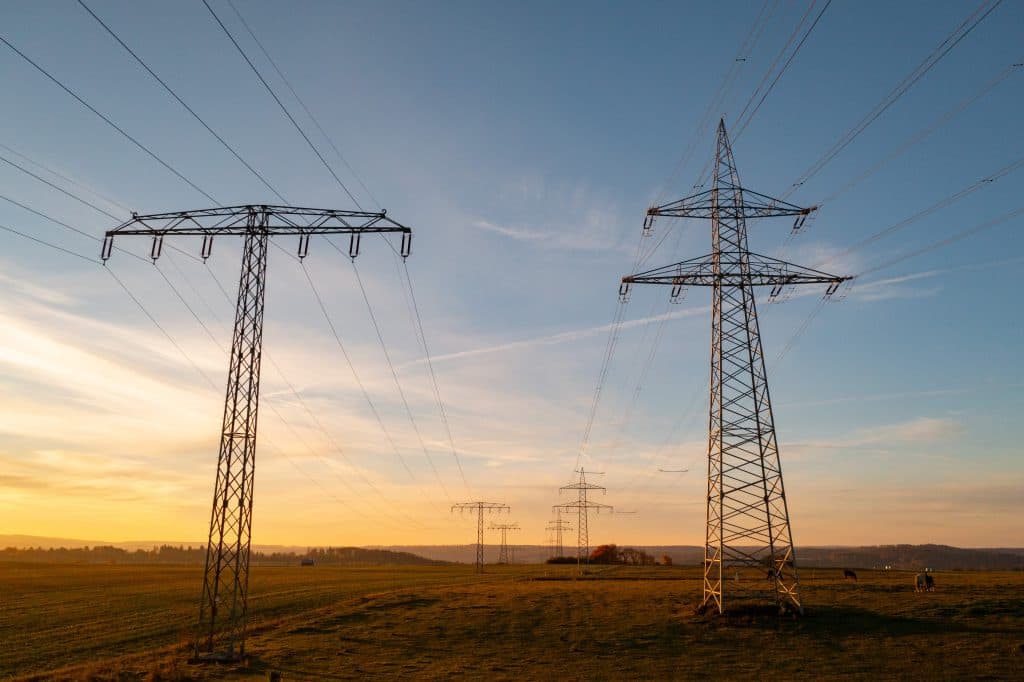
German security agencies recorded hundreds of acts of sabotage targeting critical infrastructure over the past year, including energy facilities. This is according to figures from the German Federal Criminal Police Office. The incidents have heightened concerns about the growing vulnerability of energy networks amid geopolitical tensions and domestic extremist threats.
According to the German Federal Criminal Police Office (BKA), more than 300 acts of sabotage targeting critical infrastructure were recorded in Germany in 2025. They affected not only the energy sector but also transport, telecommunications and other key systems. In some cases, investigations also considered the possibility of foreign influence or politically motivated attacks.
In the first weeks of 2026, the BKA had already recorded several alleged acts of sabotage. The largest post-war power outage in Berlin in early January triggered a nationwide debate about the resilience of Germany’s energy infrastructure and its protection against deliberate damage. Other incidents early in the year involved a transformer station and a wind farm.
Germany presents draft law on critical infrastructure
At the end of January, the German parliament passed a government bill aimed at improving the protection of critical infrastructure against disasters and physical or cyberattacks, implementing an EU directive issued in response to Russia’s 2022 invasion of Ukraine.
The draft Critical Infrastructure Act introduces stricter security requirements for companies and government agencies responsible for critical infrastructure, such as electricity and water supplies. It also requires these entities to report security incidents directly and sets out penalties for non-compliance. The bill still needs to be formally approved by the Bundesrat, the chamber representing Germany’s federal states, in March.
Industry stakeholders have generally welcomed the law, but have also criticised it for failing to adequately address some risks. According to the Association of Local Utilities (VKU), the agreement is an important step towards protecting critical infrastructure, as energy, water and telecommunications providers need legal and planning certainty to invest in securing their infrastructure.
The association also stressed that more specific measures are needed, such as recognising the protection of critical infrastructure as an overriding public interest and presenting a comprehensive national strategy and risk assessment.
The BDI industry association also said the law was a step in the right direction but did not provide concrete measures commensurate with the actual level of threat. The industry group noted that allowing Germany’s federal states to decide for themselves which parts of their infrastructure are critical could lead to differing standards and distort competition, as companies lack planning certainty about which security investments are necessary.
Translation disclaimer
This article is a machine translation of the Czech original and has not yet been fully reviewed. In case of any doubt, please refer to the Czech version.
Sdílejte článek prostřednictvím:
You might also like

10 October 2026, 13:19

10 October 2026, 07:37

10 October 2026, 07:02