11 October 2026, 08:24
Loading...
Germany considers revising renewable energy targets. Study to assess future consumption

David Vobořil
29 July 2025, 15:42
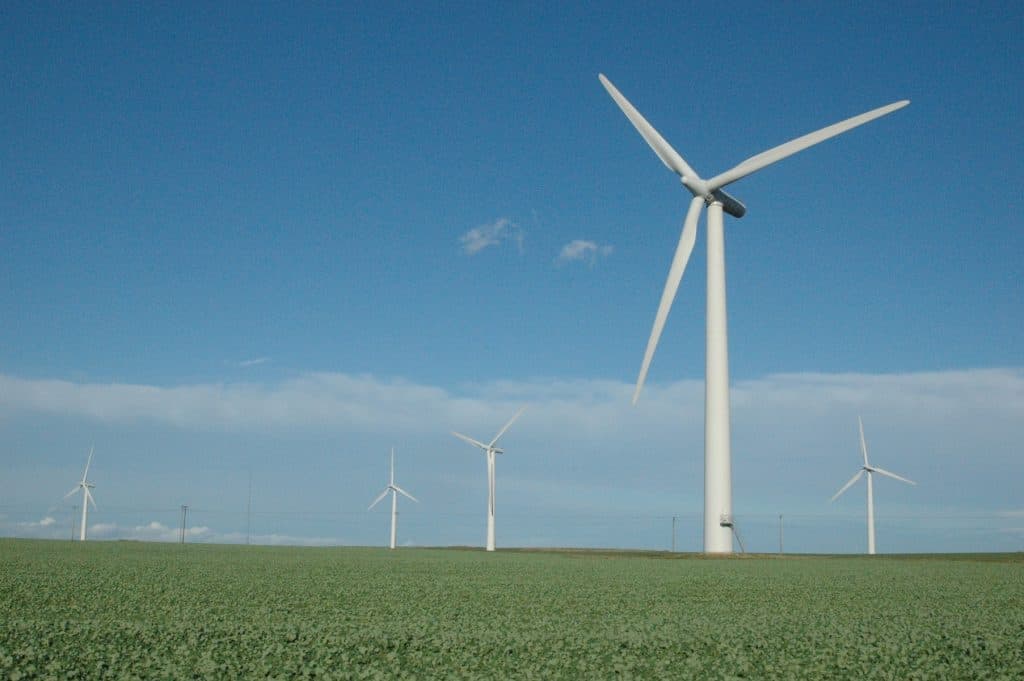
Germany’s Ministry of Economic Affairs has commissioned a new study to provide a clearer picture of future electricity consumption. The results could affect the country’s ambitious plans to develop renewable energy sources and support the construction of gas-fired power plants. Revised estimates could also have a significant impact on the electricity market and price forecasts.
The Ministry of Economic Affairs, led by Katherina Reiche, has commissioned a new study to assess how electricity consumption in Germany will develop through 2030. According to Montel, the government could adjust its targets for renewable energy sources and gas-fired power plants based on the findings.
Analysts say the expected annual consumption of 750 TWh by 2030, on which Germany’s current plans are based, could be overly optimistic. Electricity consumption in Germany peaked at 569 TWh in 2021, but has fallen since then and is expected to reach 510 TWh this year, according to analysts at ICIS. Consumption growth remains subdued because of weak economic growth and the slower development of heat pumps and electric mobility.
Impact on electricity prices
Analyst Huangluolun Zhou said revised consumption forecasts could also have a significant impact on the futures market and electricity price trends. Prices could remain in the 30–40 EUR/MWh range if the planned volume of renewable energy installations is maintained.
“If expectations are lowered, we could see even more negative prices in the coming years,” Zhou told Montel.
Sebastian Braun of ICIS also said the company’s outlook projects consumption falling to 580 TWh in 2030, while the share of renewables continues to grow. This puts pressure on prices and creates incentives to use demand-side flexibility.
“We expect electricity prices to be lower over the next decade, as renewable energy expands at a comparatively faster pace than demand. Flexible electricity demand will be able to deliver significant cost savings,” Braun said.
Wind energy sector voices concern
However, representatives of the wind energy sector have warned against adjusting the targets. Baerbel Heidebroek of the BWE wind energy association said consumption growth must be factored in, particularly because of digitalisation, the development of data centres and industrial transformation. A single data centre consumes as much as a city with 180,000 inhabitants.
“It would be a fatal mistake to send a signal that we are not expecting the economy to grow. Industry is preparing for the transformation and expects to need more electricity,” Heidebroek said.
Translation disclaimer
This article is a machine translation of the Czech original and has not yet been fully reviewed. In case of any doubt, please refer to the Czech version.
Sdílejte článek prostřednictvím:
You might also like

10 October 2026, 13:19

10 October 2026, 07:37

10 October 2026, 07:02