
23 October 2026, 14:38
Loading...
Germany may struggle to find investors for needed gas-fired power plants

David Vobořil
28 October 2024, 10:28
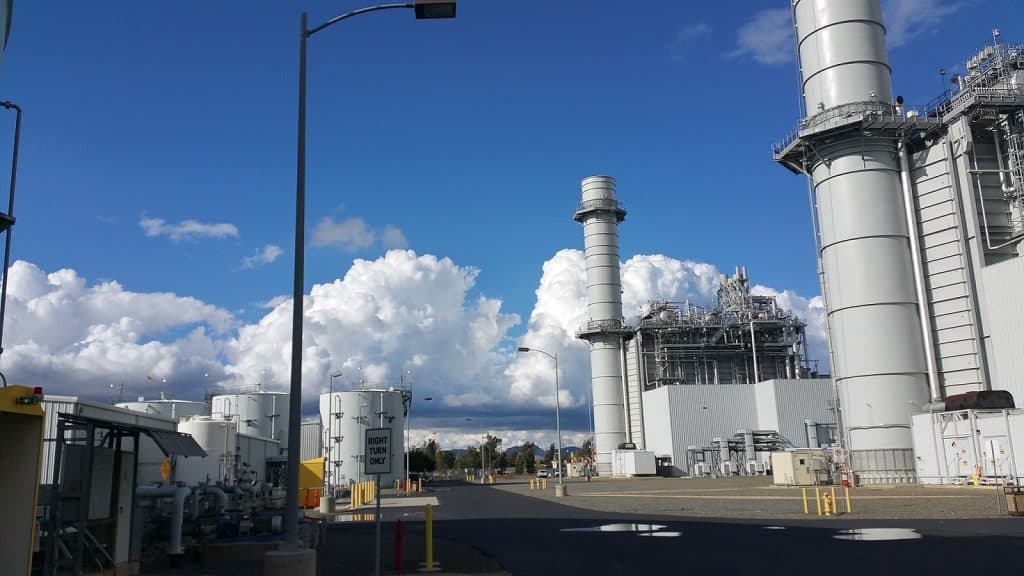
Germany may struggle to find investors for gas-fired power plants needed to ensure the security of its electricity supply during periods of low renewable energy generation. The reason is the high investment risks associated with the support scheme for building these plants, energy associations BDEW and VKU say.
In September, Germany’s Federal Ministry for Economic Affairs and Climate Action presented a draft law to support the construction of new power plants. The government aims to ensure through the law that plants are built in the coming years to guarantee security of supply in the future when renewable energy generation is low.
The law includes auctions to support the construction of 12.5 GW of new power plants. Some are expected to be powered by natural gas and later converted to burn hydrogen. The first round of auctions for state support is due to take place in early 2025, and plants awarded support must then be built within six years.
However, the terms of the planned auctions involve too many risks and unanswered questions for investors, warn the German Association of Energy and Water Industries (BDEW) and the Association of Local Utilities (VKU). BDEW says, for example, that maximum prices need to be revised, hybrid operation using gas and hydrogen must be allowed, and the penalties for failing to convert plants to hydrogen combustion within the specified timeframe must be clarified. According to VKU, investors face too many political, regulatory and permitting risks.
“It is questionable whether enough bids will be submitted for the decarbonization segment under the given conditions, since projects with this risk-and-opportunity profile are difficult or impossible to finance,” VKU said in a statement.
Germany has set a target of meeting 80% of gross electricity consumption with renewable electricity generation by 2030. The growing electrification of sectors that still depend on other energy sources, particularly heating and transport, is also likely to increase overall electricity consumption in the next few years. To complement the growing number of renewable energy sources and replace retiring coal-fired power plants, Germany needs plants that can help bridge periods of low renewable energy generation.
Translation disclaimer
This article is a machine translation of the Czech original and has not yet been fully reviewed. In case of any doubt, please refer to the Czech version.
Sdílejte článek prostřednictvím:
You might also like


23 October 2026, 11:01


23 October 2026, 06:34