Heat pump noise in Czechia need not bother you or your neighbors
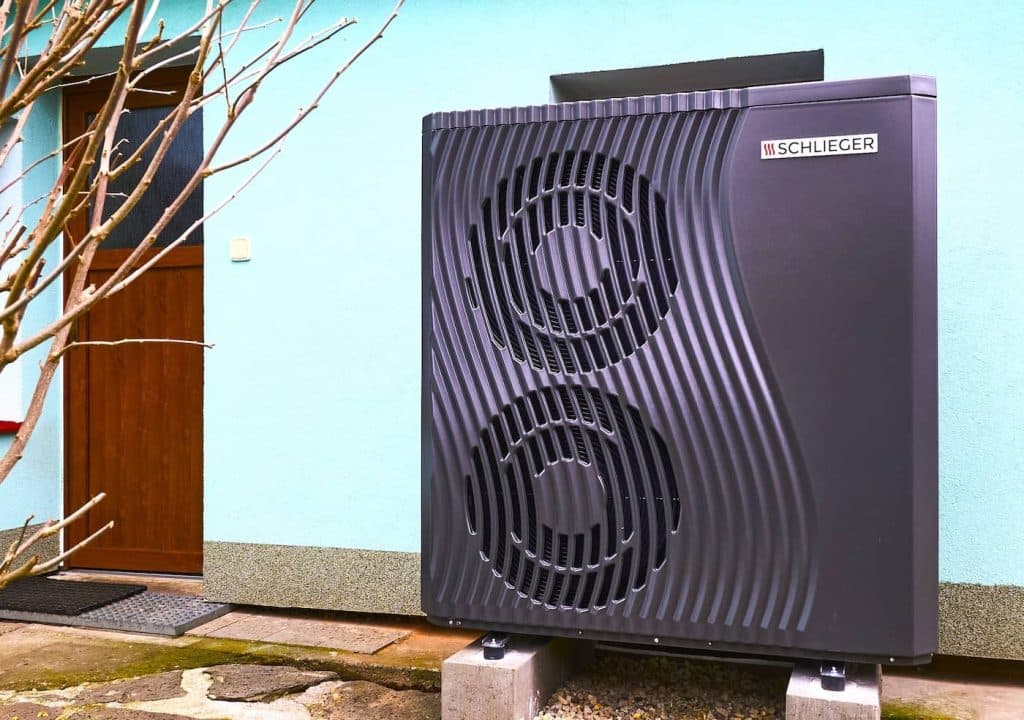
A heat pump increases living comfort and reduces the cost of heating and cooling your home. If you are considering one when building or renovating your property, carefully consider the type of heat pump, its overall output and where it will be installed.
Heat pump noise and where to install it
When choosing a heat pump, you should also consider how noisy it is and where it will be installed. Heat pump noise is generated mainly by the fan and compressor. The fan, with its large blades, draws in a huge volume of air, and the sound of this airflow is audible. The compressor and its vibrations are another source of noise. Today’s heat pumps are designed to use intelligent fan speed control, which helps prevent unpleasant low-pitched tones.
Noise levels vary depending on the type of heat pump and are related to the quality of the materials used as well as where the unit is installed. Schlieger heat pumps have noise levels of 39–45 dB, comparable to a slight background hum in an apartment or a quiet conversation. However, even the quietest air-to-water unit cannot operate below 35 dB (A)—about as loud as an alarm clock ticking when heard from 3 metres away, or a running dishwasher.
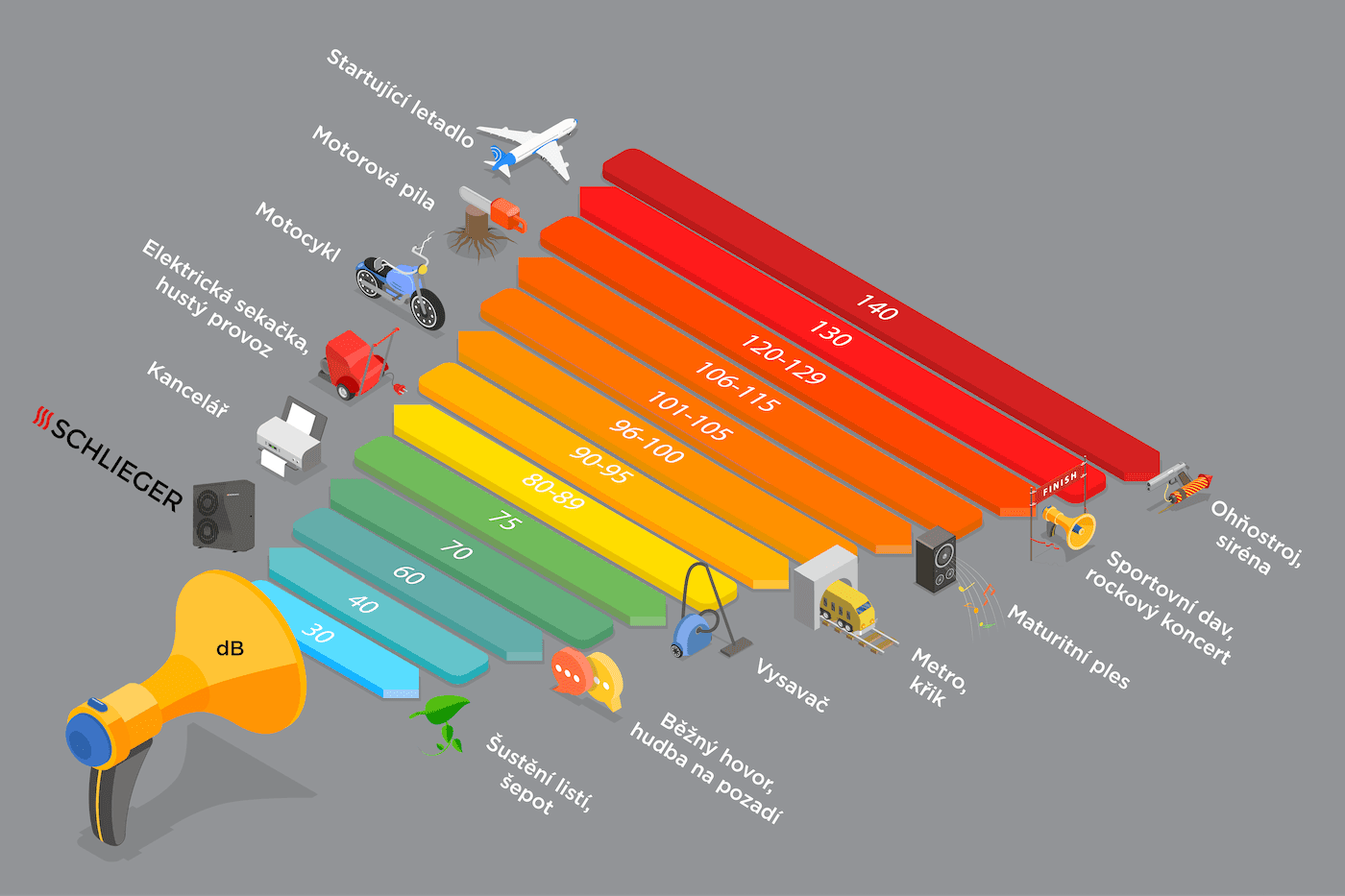
Heat pump noise is also subject to legislative requirements. Under current hygiene regulations and standards, noise from a heat pump, measured 2 m from the window of a habitable room in a neighbouring house, must not exceed 40 dB.
Tips for reducing noise
The outdoor unit of a heat pump is installed close to the house and utility room. However, it should not be placed directly beneath the windows of habitable rooms, where it could be a nuisance. Installing it in a corner of the building is not advisable either: sound can reflect there, airflow may be restricted, the heat pump’s efficiency may fall and the fan speed may increase.
There should be a gap of at least 50 centimetres between the back of the heat pump and the wall of the house. There should also be at least 300 centimetres of clear space in front of the heat pump’s fan. In addition, the heat pump needs a solid base that absorbs any vibrations. A concrete foundation, for example, is suitable. These measures allow the heat pump’s evaporator to draw in air properly and prevent the fan noise from reflecting or resonating. Special covers for heat pumps can also help reduce noise. They are designed not to obstruct airflow while lowering noise levels by directing the airflow towards the ground.
“Our heat pumps operate as quietly as an ordinary whisper. They are manufactured using modern processes and technologies: we use variable-speed fans and compressors, soft-start and stop functions, as well as night modes for quieter operation,” explains Pavel Matějovič, Chief Operating Officer at Schlieger.
“If you buy a quality product and have it professionally installed, you can be sure that the heat pump will not disturb you or your neighbours.”
Translation disclaimer
This article is a machine translation of the Czech original and has not yet been fully reviewed. In case of any doubt, please refer to the Czech version.




