
23 October 2026, 14:38
Loading...
Insufficient transmission capacity also troubles the UK, wind farm compensation up 85%

Martin Voříšek
16 February 2021, 11:51
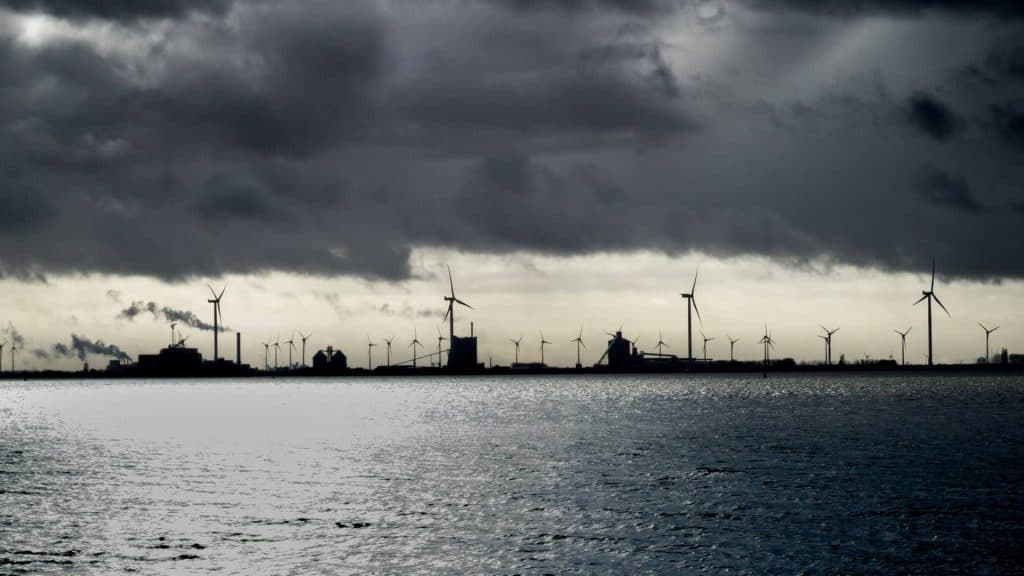
Compensation paid to wind farm operators in 2020 for curtailing generation during periods of excess capacity in the system rose by nearly 85% to more than £250 million. In addition to insufficient transmission grid development, the reason was lower electricity consumption caused by the coronavirus pandemic.
Electricity generation in the United Kingdom had an extraordinary year last year. For the first time, renewable sources generated more electricity than coal- and gas-fired sources. These fossil sources then generated less than 100 TWh of electricity for the first time since 1960. Although this is a significant milestone, rising compensation costs for wind farm curtailment show that greater investment in the transmission grid and other technologies is needed.
While compensation costs for wind farm operators reached “only” £136 million in 2019, the amount almost doubled last year. According to Bloomberg data, compensation exceeded £250 million.
Probably the worst day in terms of compensation was Friday, 22 May 2020, when £9.3 million (approximately CZK 270 million) was paid to compensate for losses from curtailed generation. This set a new record, almost doubling the previous one (£4.8 million/day).
The reasons for such an increase in compensation are primarily the continuing growth in electricity generation from renewable sources, as well as lower electricity consumption in the country last year due to the coronavirus pandemic. Consumption fell by approximately 6% year on year. For comparison, in the Czech Republic, the decline in electricity consumption is estimated at 3-4% (final data for all four quarters will be published by the Czech Energy Regulatory Office (ERÚ) in the first quarter of this year).
Ambitious climate targets require further investment
The United Kingdom has relatively ambitious climate protection targets. By 2030, it aims to reduce CO2 emissions by almost 70%. However, achieving this target will require much more than simply building more and more renewable energy sources.
“The next step towards achieving carbon neutrality will be even more challenging. Shutting down the last fossil-fuel sources in the system will require much more than just building new wind and solar power plants,” Iain Staffell of Imperial College London told Bloomberg.
As data on compensation for wind farm operators show, some of the electricity generated cannot be used because the transmission grid is insufficiently developed. Its further development is therefore key to increasing the share of renewables in electricity consumption.
Conversely, to ensure sufficient electricity at times when generation from renewable sources is inadequate due to current weather conditions, the United Kingdom is developing nuclear power. It is currently building the Hinkley Point C nuclear power plant, scheduled to start up in 2026, and is deciding on projects for new units at the Sizewell and Bradwell plants.
Translation disclaimer
This article is a machine translation of the Czech original and has not yet been fully reviewed. In case of any doubt, please refer to the Czech version.
Sdílejte článek prostřednictvím:
You might also like

23 October 2026, 11:01

23 October 2026, 06:34