11 October 2026, 08:24
Loading...
Italy to focus on grids and storage rather than expanding renewables

David Vobořil
13 October 2025, 15:07
Modernising Italy’s power grid and strengthening energy storage are more urgent priorities than expanding renewable energy sources. Parliamentary leader Luca Squeri told Montel that integrating renewables will remain problematic without adequate storage for surplus output from solar and wind farms.
“We don’t know what to do with electricity when renewable sources produce more than is consumed,” Squeri said.
The governing Forza Italia party rejects exclusive reliance on renewable energy and full electrification, particularly in heating and transport, and favours an energy transition based on technological neutrality, Squeri said on Wednesday evening.
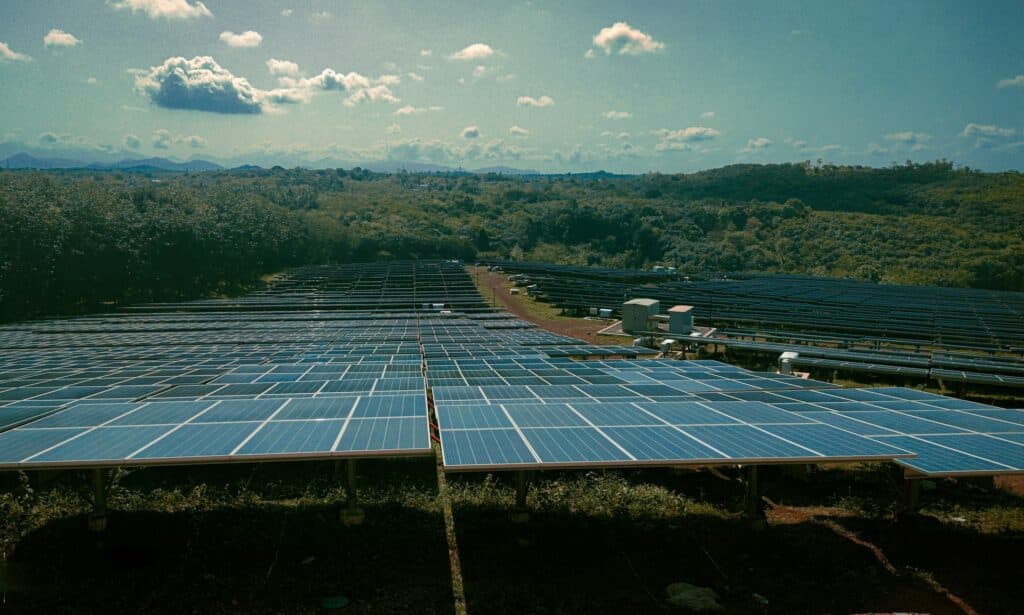
Renewable energy sources covered approximately 41% of Italy’s total electricity generation in 2024, with installed capacity reaching 76.6 GW at the end of the year. Solar accounted for the largest share, with 37 GW of installed capacity. A further 6.8 GW of new photovoltaic capacity was added in 2024 alone. Solar accounted for around 11% of total electricity generation, a record high.
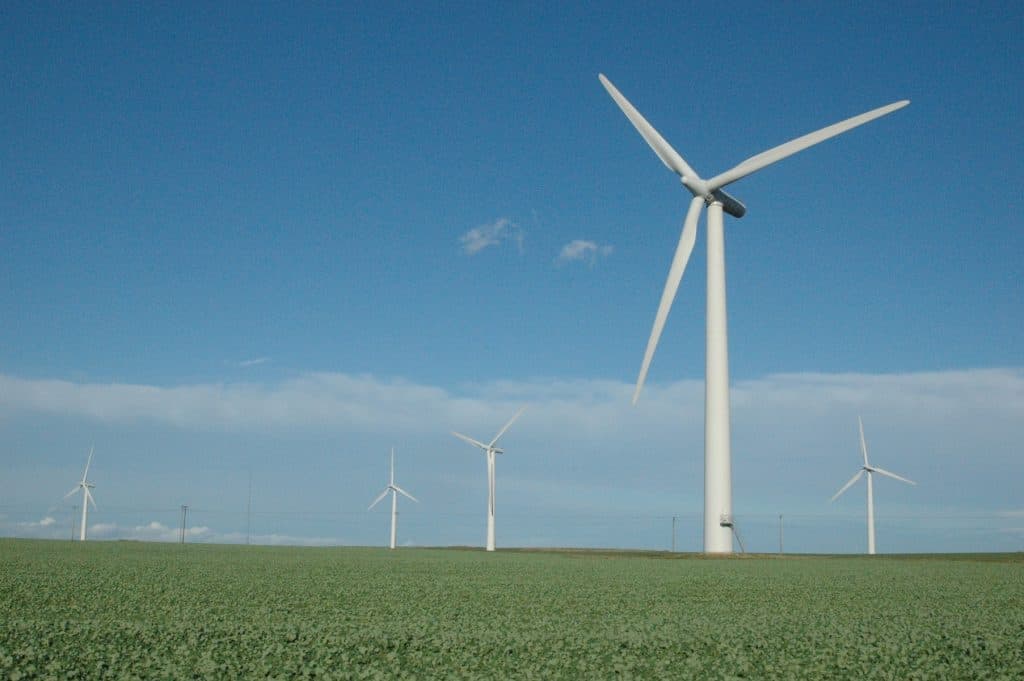
Wind farms, with 13 GW of installed capacity, covered around 7% of annual electricity generation. Despite modest year-on-year growth, hydropower remains a stable foundation of Italy’s renewable generation, accounting for approximately 16% of total electricity generation. Biomass and geothermal sources together contribute approximately 7%.
Requests to connect renewable energy sources to the grid currently exceed 300 GW, while Italy’s national renewable energy target for 2030 is 80 GW, Squeri added.
“Storage is a crucial issue, especially when it comes to utility-scale batteries,” said Alberto Rizzi, a researcher at the ECFR think tank in Rome.
The government should prioritise permits and grid access for new utility-scale and residential projects, he said, adding that ageing electricity infrastructure in cities and rural areas needs modernising.
“The energy transition is entering a complex phase because the easy targets have already been met, and marginal costs are at risk of rising, particularly in some sectors where the technologies are not yet fully mature,” said Carlo Stagnaro, research director at the Bruno Leoni Institute.
Translation disclaimer
This article is a machine translation of the Czech original and has not yet been fully reviewed. In case of any doubt, please refer to the Czech version.
Sdílejte článek prostřednictvím:
You might also like

10 October 2026, 13:19

10 October 2026, 07:37

10 October 2026, 07:02