LNG boom in the US: The right bet or a risk of overcapacity?
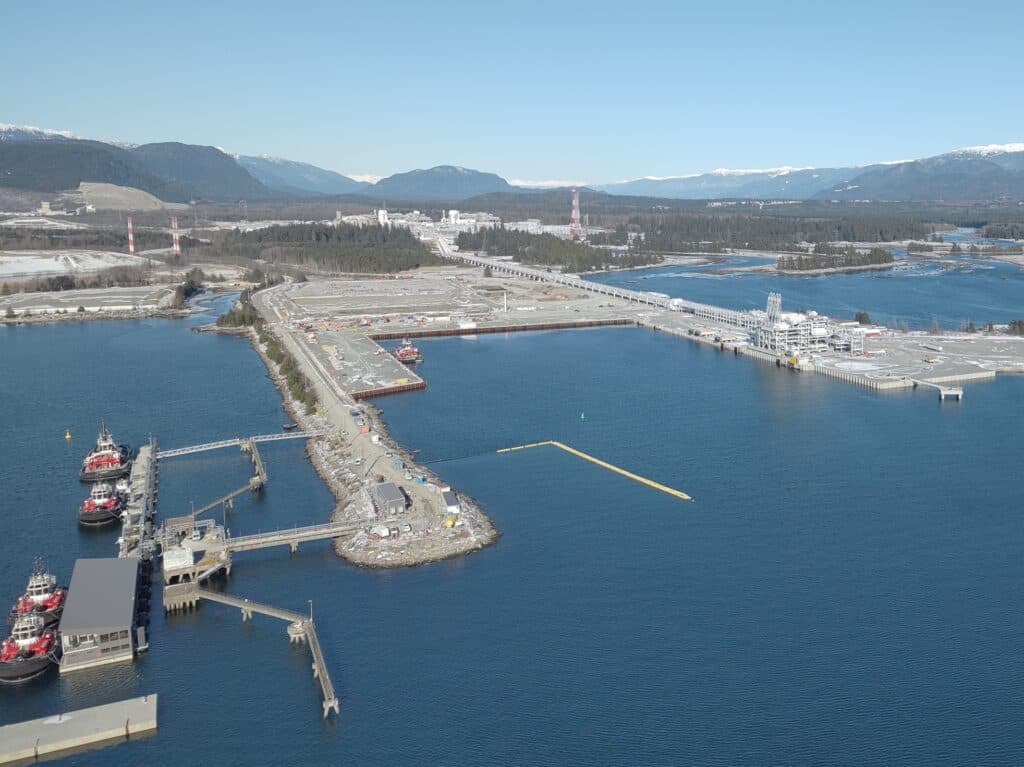
Major Western players in the gas market are increasingly concerned about overcapacity in export terminals and other LNG infrastructure. Shell and TotalEnergies representatives have recently voiced such concerns.
The United States has been expanding its LNG capacity for some time. Under the previous Biden administration, new projects were expanded and prepared in response to a surge in demand following Russia’s invasion of Ukraine. In 2024, however, Joe Biden paused approvals for new terminals.
The second Trump administration is accelerating the development already underway. The pause has been lifted, and permits for three new terminals have been issued in the past month alone. Another five are expected to get the green light by the end of the year. This is part of a long-term plan to double US LNG exports by the end of Trump’s term.
According to a forecast by Expand Energy, the US should be able to export 28 billion cubic feet (just under 800 million cubic metres) of gas per day from the Gulf Coast in 2030. However, the pace and scale of this increase are raising concerns among some industry players.
Concerns
Shell CEO Wael Sawan said last week that this construction was not “fully economically rational” and that he was “surprised” by how many projects had been approved. A representative of French company TotalEnergies, also a major player in LNG, expressed concern about whether there would be sufficient demand for such export capacity.
He said some Asian countries had pledged to buy LNG only to appease Trump and reduce tariffs. At last month’s Gastech conference, speakers warned that too much LNG capacity was being built around the world and that if all the projects go ahead, oversupply and a significant drop in prices can be expected.
For context, LNG capacity is expected to rise by 60% by the end of this decade, from 550 bcm (billion cubic metres) to 890 bcm. The US accounts for half of that increase.
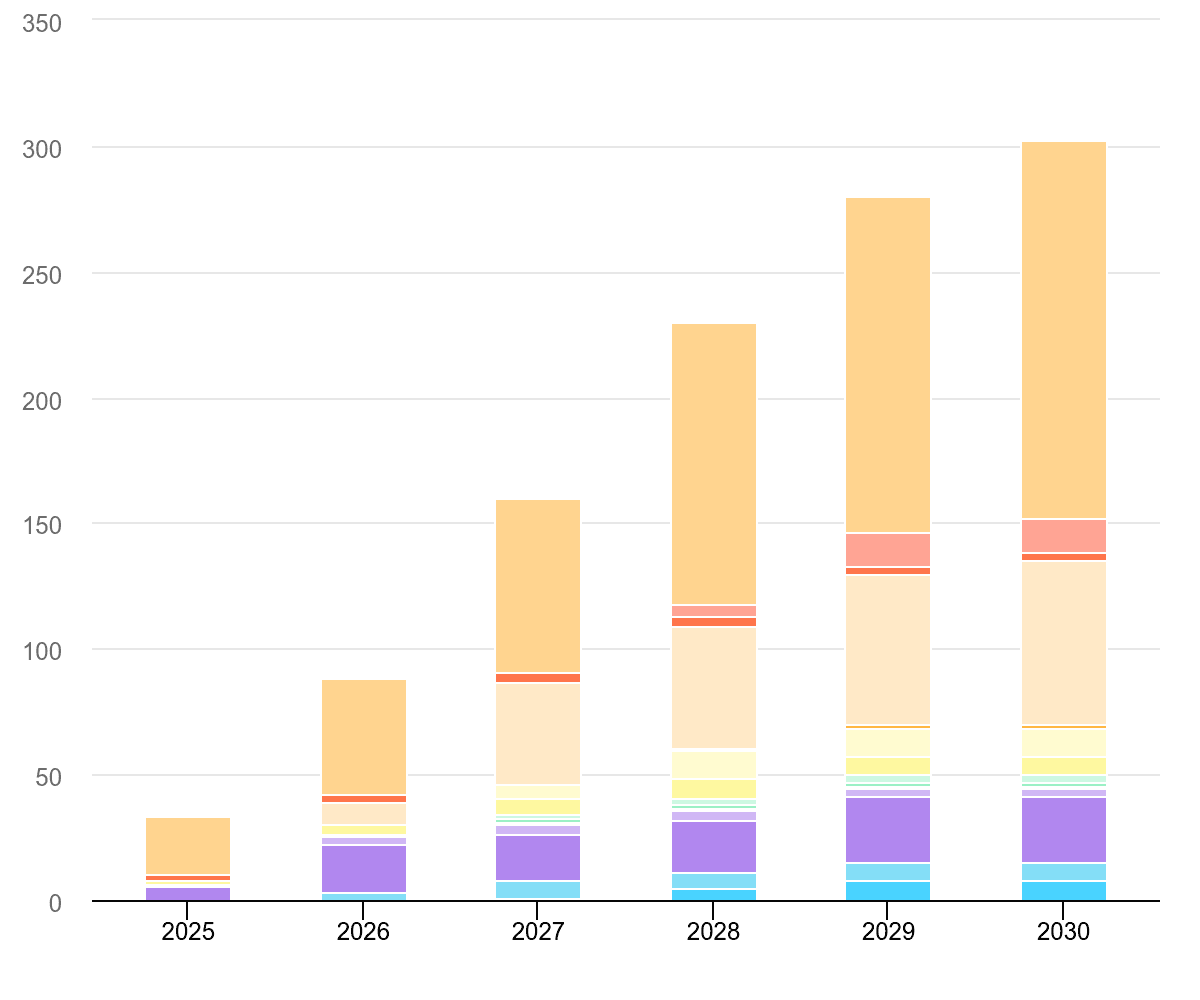
New capacity is being built in the US in anticipation of global demand growth, particularly in Asia, where a shift from coal to gas is expected. China, which was expected to be one of the main growth markets, has scaled back its LNG purchases. Since February this year, it has imported virtually nothing from the US. Instead, it is investing in domestic production and buying more gas through pipelines from Russia.
Some, however, point to the cyclical nature of the industry and the tendency of companies to overreact to price swings. They also hope China will eventually ease its political stance or that it will ultimately need LNG.
The AI factor
Gas demand is also expected to rise as data centres are built. In most cases, they draw electricity from gas-fired power plants, and this trend is already affecting domestic energy prices in the US. Many projects are still in the planning stages, making it difficult to determine the exact number, but it is clear that several hundred new data centres are currently at various stages of construction in the US.
The biggest plans come from major companies such as Google and Meta, as well as companies involved in the “Stargate” project: OpenAI, Oracle and SoftBank. Not all the projects may ultimately come to fruition, but this development will undoubtedly put pressure on US gas prices and directly compete with LNG exports.
The EU’s role
Some may recall that in a recently signed agreement between the EU and the US, the EU committed to importing $250 billion worth of energy products (oil and gas). However, most analysts agree that the EU will not meet this commitment; and even if it did, the US would have difficulty fulfilling it, quite apart from the impact this would have on other LNG consumers.
The US administration may therefore be counting on demand from the EU. But only time will tell what the market realities will be, whether the EU will honour its purchasing pledge and what role the US domestic market will play.
Translation disclaimer
This article is a machine translation of the Czech original and has not yet been fully reviewed. In case of any doubt, please refer to the Czech version.




