7 November 2026, 17:23
Loading...
One OPEC member leaves at the end of the year

Libor Láník
9 January 2024, 06:33
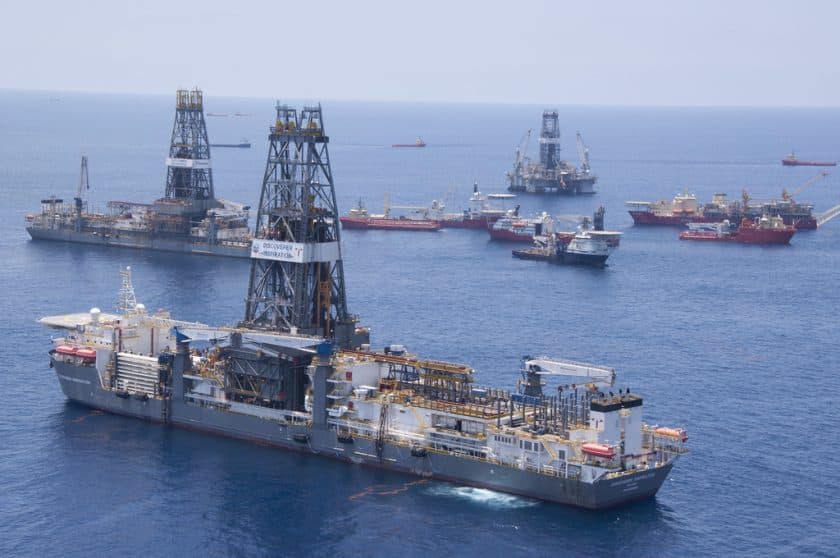
The end of 2023 brought a change in the ranks of the Organization of the Petroleum Exporting Countries (OPEC). Angola, a current member, decided to withdraw. It thus follows in the footsteps of Indonesia, Qatar and Ecuador, which did the same relatively recently. Angola’s decision to leave is due to a dispute over production quotas, and there has also been speculation about a connection with the recent visit by the US president to the country. OPEC is therefore entering 2024 with twelve members, although it is unlikely that this will significantly affect the organization’s operations.
Angola, which has been a member of OPEC since 2007, has large oil reserves. Over time, it has managed to reach daily production of around 1.1 million barrels, which is not a particularly significant share compared with the organization’s total output of around 30 million barrels a day. Thanks to its oil wealth, however, Angola’s economy has become one of the fastest-growing in the world. Planned production quotas could therefore have a significant impact on its growth.
Angola first voiced its opposition in November, when the proposal was discussed at the organization’s plenary session. It was joined by neighbouring Nigeria, as both countries need to keep increasing their foreign-currency revenues. Such restrictions would affect these countries much more than leading producers such as Saudi Arabia. Nigeria remains a member, however, while Angola has opted for a radical exit.
Diamantino Pedro Azevedo, the minister of mineral resources and petroleum, commented on the withdrawal, citing conflicting interests and the lack of any reason to remain in the organization. According to him, cutting production is in direct conflict with government policy and signed contracts.
The media have also speculated about the extent to which the decision may have been influenced by the emerging US-Angola partnership. At the end of the year, Angolan President João Lourenço visited the White House.
Together with Joe Biden, he affirmed the partnership and the US commitment to invest in a railway project linking the Angolan port of Lobito with Zambia and the Democratic Republic of the Congo, countries rich in mineral resources. The US has long been a competitor to OPEC, with both sides seeking dominance in the oil market.
Finally, it is worth noting that Angola’s departure is unlikely to trigger a domino effect across the organization. OPEC plans to restrict production in an effort to boost the oil market during the first three months of the new year as well. Without Angola, which has increased production and exports in recent months, the organization could move closer to its actual target production level. Within OPEC+, Brazil will now support these ambitions, having agreed to quotas as part of its membership.
Translation disclaimer
This article is a machine translation of the Czech original and has not yet been fully reviewed. In case of any doubt, please refer to the Czech version.
Sdílejte článek prostřednictvím:
You might also like
7 November 2026, 13:37

6 November 2026, 14:13