Síkela (STAN): Nuclear power could account for up to 60% of Czechia’s energy mix in the future


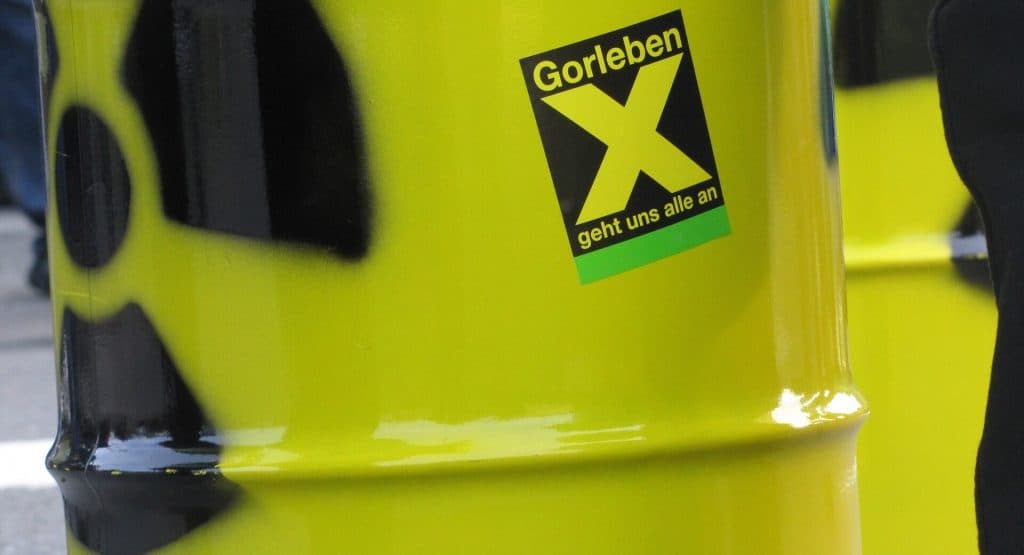
According to Industry Minister Jozef Síkela (STAN), nuclear power could account for up to 60 percent of the Czech energy mix in the future, compared with 38 percent at present. This would require the construction of new units at nuclear power plants, with as many as four possible. Nuclear power would then be complemented mainly by renewables and, temporarily, by gas-fired power plants. The minister said this today on Nova TV’s Za pět minut 12 programme.
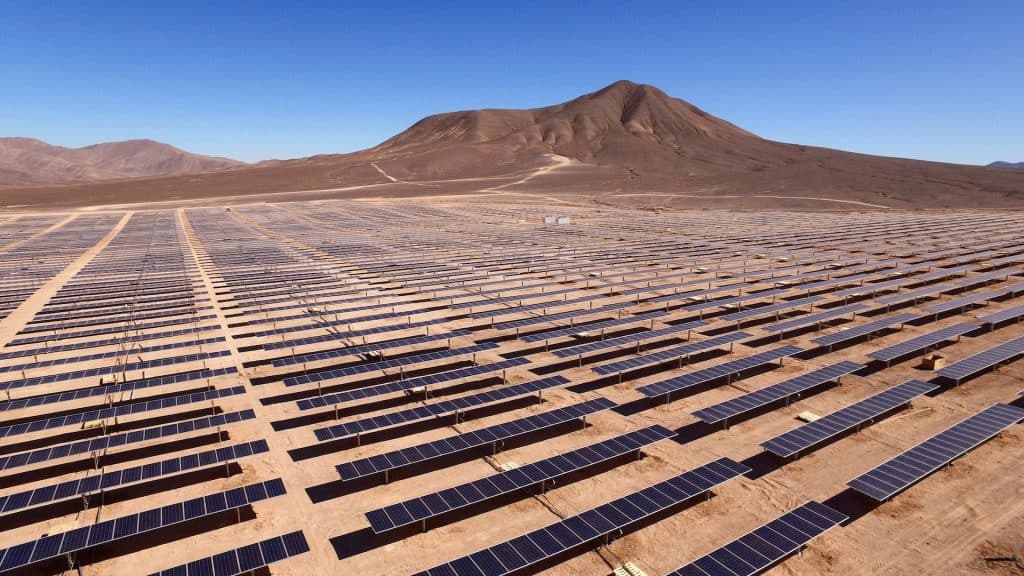
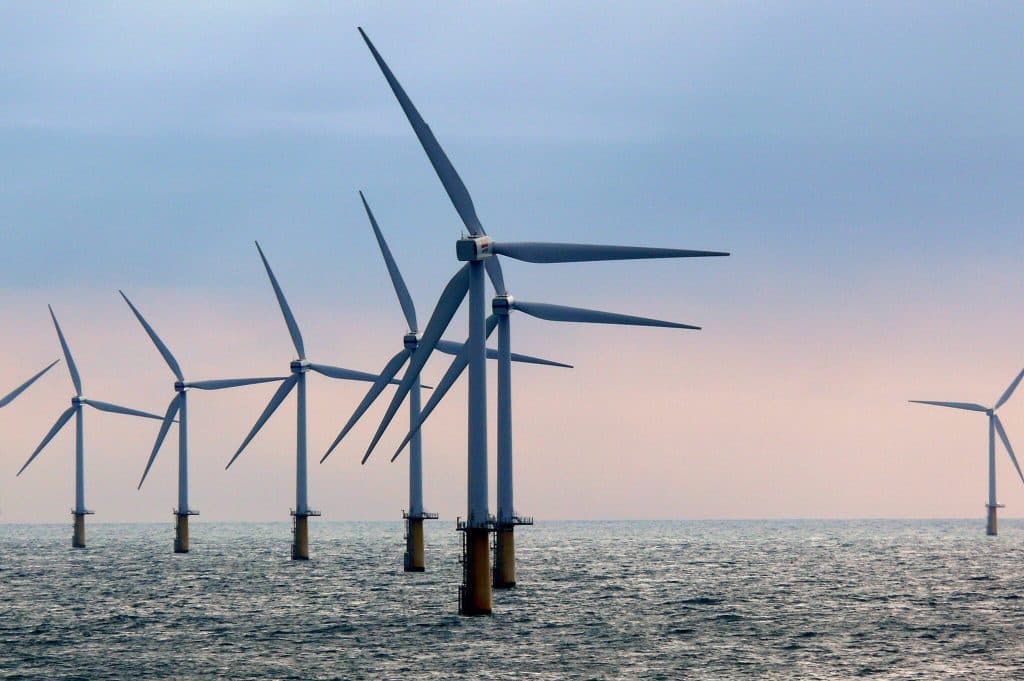
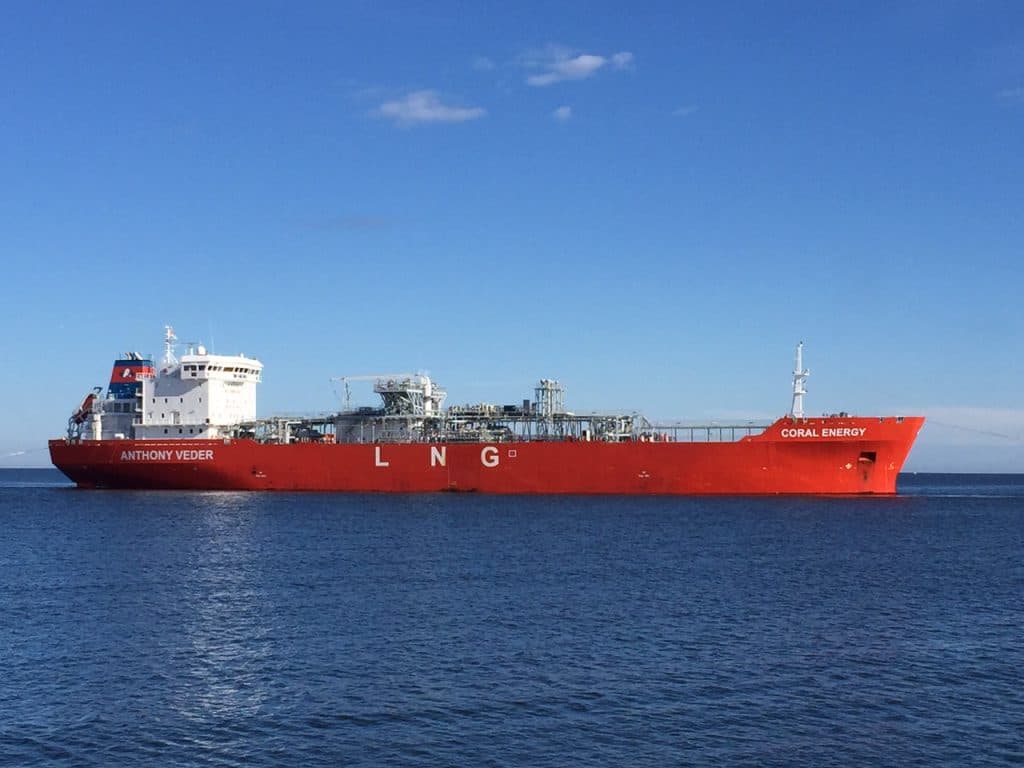
Síkela sees renewables as the main energy sources of the future because they are the cheapest, and nuclear power as a stable carbon-free source. „The key medium that will carry us to this future mix will be gas,“ he added, noting that gas prices have already fallen significantly. In addition to natural gas, a fossil fuel, he said that „green“ gases such as hydrogen, biogas or captured carbon dioxide (CO2) could also be used to generate energy in the future.
Increasing nuclear power’s share of the energy mix will require the construction of new units at existing nuclear power plants, which the state and ČEZ are planning. Síkela said that up to four are under consideration. „It is always more advantageous to build two reactors at one site. The costs are spread across two units, which means major savings,“ the minister said. He said the investment would be based on repayable state aid, which a ČEZ subsidiary would repay over 30 years, with the loan interest-free during construction of the units.
At the end of April, ČEZ received bids from France’s EDF and South Korea’s KHNP to build up to four reactors. The government will select the winner in the summer and is also expected to decide how many units should be built in the Czech Republic in the future. The state currently expects the first unit to come online at Dukovany in 2036.
Síkela reiterated that the government plans to phase out coal-fired power generation by 2033. „We will not force anyone to phase it out sooner, but we will not subsidise it,“ he said. Coal-fired power plants are currently not generating sufficient profits because of higher emissions allowance prices and low electricity prices on the market.
„The difference between the allowance price and the electricity price is not enough for coal plants to cover their costs and achieve the expected profit. It is not our job to subsidise energy sources that have no future,“ the minister added.
According to the Energy Regulatory Office, 57.8 terawatt-hours (TWh) of electricity were consumed in the Czech Republic last year, with consumption down by about seven percent over the past five years. Eurostat data presented on the programme showed that the Czech Republic currently has the highest electricity prices when adjusted for purchasing power. „We were not prepared for some things, and we neglected others,“ Síkela said, describing the main reason for the situation.
According to Zdeněk Zajíček, president of the Czech Chamber of Commerce, high energy prices, together with labour shortages and high labour costs, as well as state regulation and administrative burdens, are the three main problems facing Czech companies.
Translation disclaimer
This article is a machine translation of the Czech original and has not yet been fully reviewed. In case of any doubt, please refer to the Czech version.