Slovnaft buys oil in Latin America as Druzhba outage forces Central Europe to improvise
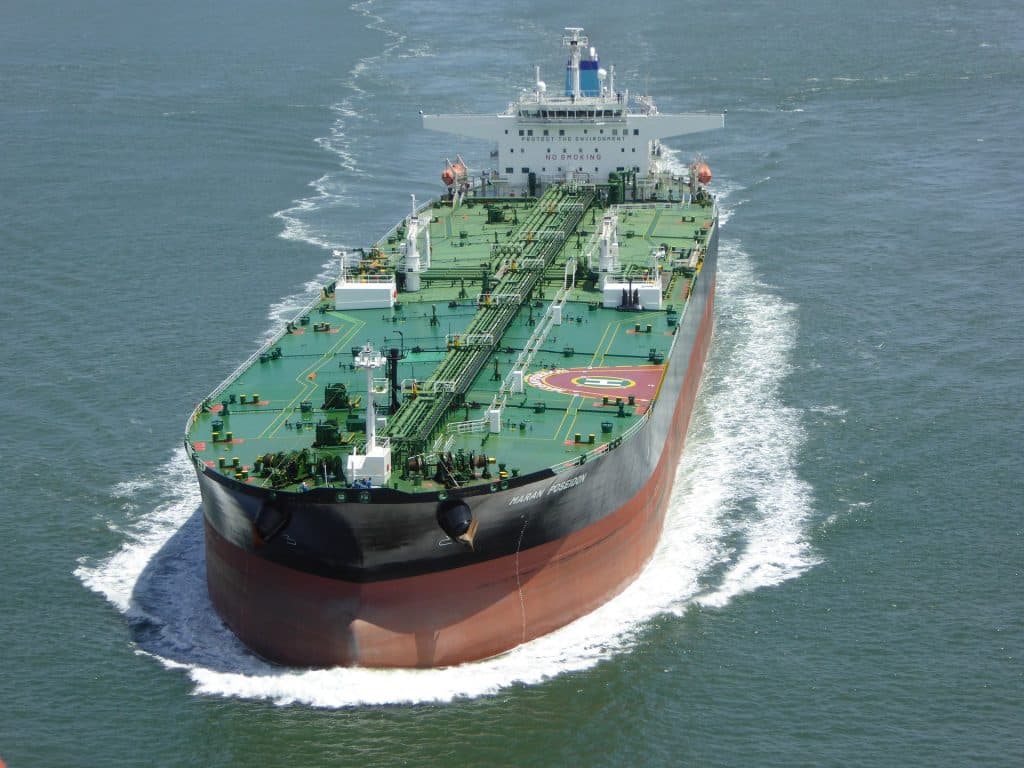
Slovak company Slovnaft is starting to import oil from Latin America to replace supply disruptions from Russia and the Middle East. The first cargoes will arrive via Croatia in several weeks, while the entire region, including the MOL Group, is relying on emergency stocks and reduced refinery operations. Uncertainty over repairs to the Druzhba pipeline and the geopolitical situation continue to complicate supply security, reports S&P Global.
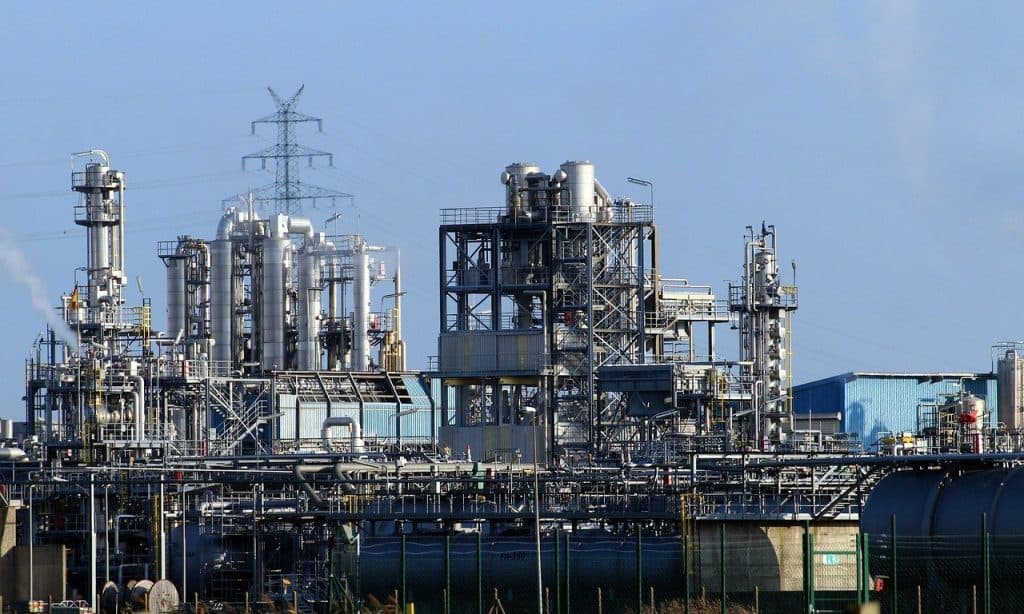
Slovak refinery Slovnaft is changing its long-established oil supply model. Due to disruptions to supplies from Russia and constraints in the Middle East, it is now starting to buy crude oil in Latin America. Until recently, this would have been more of a theoretical step—shipments from the region to Central Europe are exceptional both logistically and commercially.
According to company head Marek Senkovič, Slovnaft has already secured its first purchases and expects the oil from Latin America to arrive at the Croatian port of Omišalj in about 80 days. From there, it will travel via the Adria pipeline to the refinery in Bratislava. This route is now crucial for the company: following the attack on the Druzhba pipeline at the end of January, it became the only operational way to bring oil into the country.
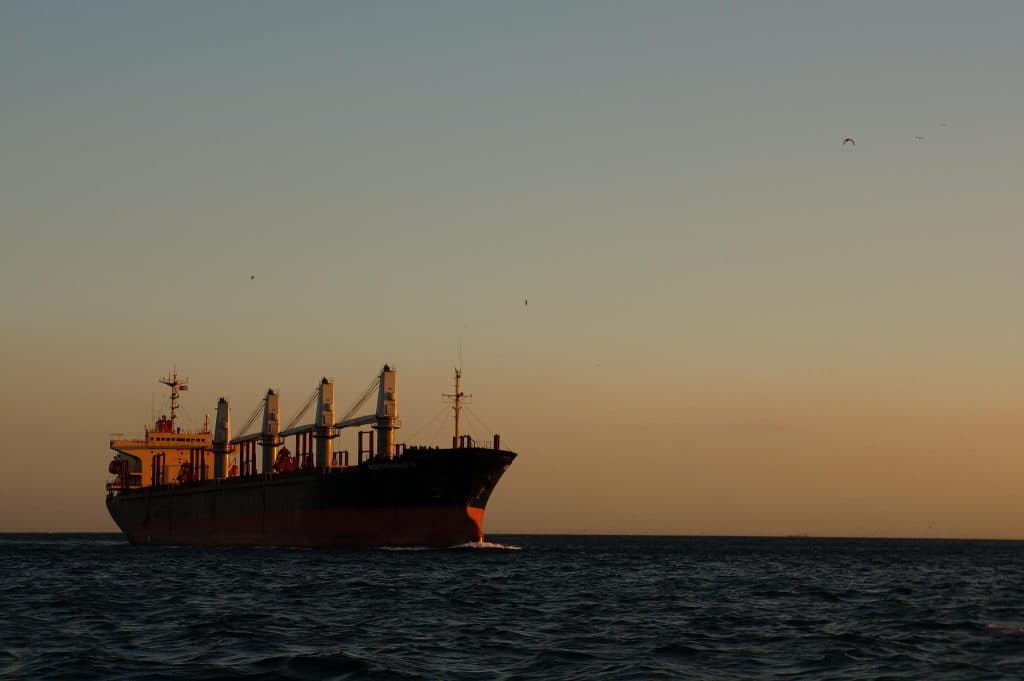
Before the conflict in the Middle East escalated, Slovnaft had been able to partly make up for the loss of Russian oil with supplies from Libya, Kazakhstan and Saudi Arabia. Those supplies have now dwindled because of limited shipping through the Strait of Hormuz. The company therefore has to look for sources even farther afield, meaning longer transit times and higher costs.
The situation in the Strait of Hormuz is creating an opportunity for producers in Latin America. The region, which does not depend on this key shipping chokepoint, is benefiting from higher prices and growing demand for diversified supplies. Brazil, the largest producer, extracted more than 5.1 million barrels of oil equivalent per day in January, including almost 4 million barrels of crude oil, and is on course to exceed 4 million barrels per day over the longer term.
Argentina is rapidly ramping up production from the Vaca Muerta shale formation and reached 872 thousand barrels per day in January, up more than 15 percent year on year. Venezuela, meanwhile, increased exports to around 800 thousand barrels per day. The combination of rising production and geopolitical stability outside the Middle East is making the region an increasingly attractive source for European refineries.
Shipments from Latin America are still rare at the Croatian terminal of Omišalj. In recent years, there have been only isolated cases, such as a cargo of oil from Guyana at the end of 2025. Slovnaft’s new strategy illustrates just how significantly the European oil market is changing under geopolitical pressure.
Disruption to Russian oil supplies
The situation is not limited to Slovakia. The entire MOL Group, which includes Slovnaft, has faced a disruption to Russian supplies since the end of January. According to Fitch Ratings, the company is so far managing thanks to seaborne deliveries from other regions and the use of state strategic reserves in Hungary and Slovakia. These should last for approximately three months of operations.
In the short term, MOL is also benefiting from lower refinery utilisation. The key Danube refinery is still operating at only around half capacity following last year’s fire, reducing its overall need for crude. Full operations are expected to resume by autumn this year at the latest.
The future of the Druzhba pipeline remains a major uncertainty. Ukrainian authorities say it has been seriously damaged, and the repair timeline is unclear. Although Hungary and Slovakia are exempt from sanctions on Russian oil, their return to the original supply model is also complicated by Croatia’s position: it has so far not allowed Russian oil to be transported through its system.
Central Europe is therefore entering a period of improvisation. Companies are diversifying their sources, governments are drawing on reserves, and logistics infrastructure is reaching its limits. What was only a marginal alternative just a few months ago is quickly becoming the new standard.
Translation disclaimer
This article is a machine translation of the Czech original and has not yet been fully reviewed. In case of any doubt, please refer to the Czech version.