Solar power capacity is growing, especially in states Trump won, despite his obstacles
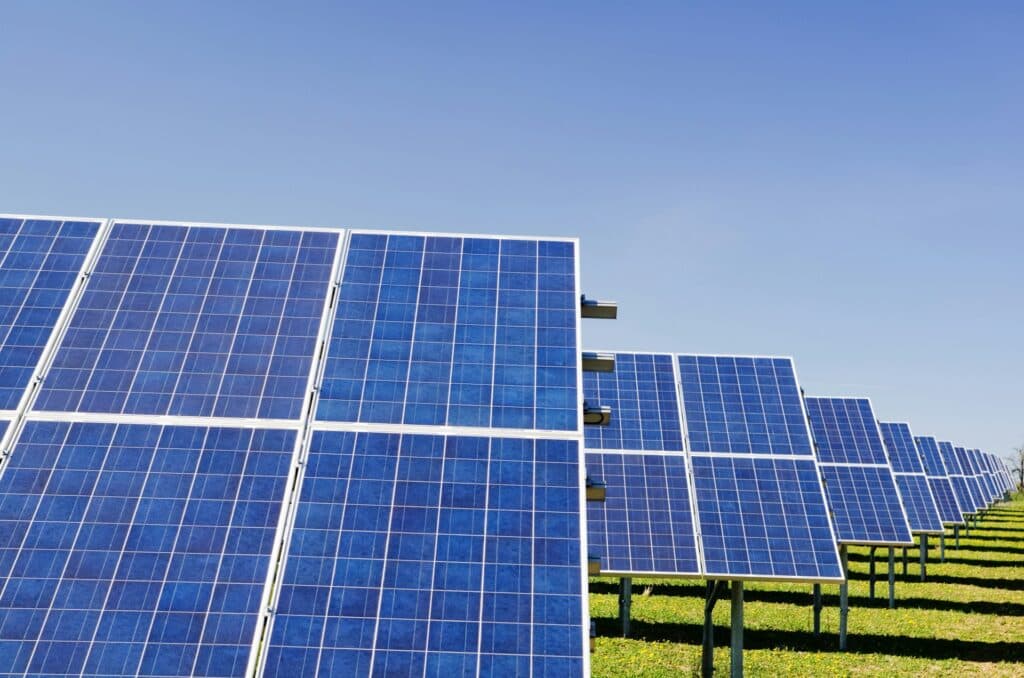
The U.S. solar industry installed nearly 18 gigawatts of new capacity in the first half of 2025. Although the Trump administration has introduced a series of measures opposing the development of renewable energy, solar power plants and battery systems still accounted for 82% of all newly connected generation and storage capacity.
The quarterly Solar Market Insight Report, prepared by the Solar Energy Industries Association and consultancy Wood Mackenzie, states that 77% of all solar power capacity installed in the United States in the first half of 2025 was built in states won by President Trump. These include Texas, Indiana, Arizona, Florida, Ohio, Missouri, Kentucky and Arkansas.
This is paradoxical, given that the Trump administration is the one introducing a series of measures against renewable energy.
Demand vs. support
The “One Big Beautiful Bill” and recent measures by the Trump administration targeting solar energy have significantly lowered medium-term forecasts for growth in installed solar photovoltaic capacity and energy storage capacity.
In the short term, however, tighter legislation is having the opposite effect. Companies in the solar industry looking to build more solar power plants are trying to connect them as quickly as possible because of the restrictions on tax credits introduced by Trump’s law.
Strong demand for new power supplies and rising electricity prices are also strengthening the market fundamentals for new solar projects over the long term.
In the first half of the year, the capacity of solar and battery resources rose by nearly 18 GW. Renewables also accounted for more than 90% of new installations overall.
In the first half of 2025, the United States also increased its solar panel manufacturing capacity by 13 GW per year, thanks to new or expanded factories in Texas, Indiana and Minnesota. The U.S. currently has total annual solar panel manufacturing capacity of 55 GW.
A pessimistic outlook
The report also states that a further 246 GW of solar power plants and batteries will be added by 2030. A stricter regulatory environment, including an order by the Department of the Interior (DOI) requiring the solar industry to undergo a more rigorous permitting process, could reduce the resulting development of solar power plants by around 44 GW, with Arizona, California and Nevada the hardest hit.
“The solar industry is already undergoing dramatic policy changes as a result of HR1. Further uncertainty arising from federal policy measures makes the business environment for the solar industry incredibly challenging. If the federal permitting environment creates more restrictions for solar projects, the solar industry faces a significant risk of decline,” said Michelle Davis, head of solar research at Wood Mackenzie.
Manufacturing capacity is also at risk, and the effects are already becoming apparent. No new investments were made in the segment in the second quarter of the year, as federal policy threatens the U.S. industry and puts billions of dollars in private capital at risk.
Translation disclaimer
This article is a machine translation of the Czech original and has not yet been fully reviewed. In case of any doubt, please refer to the Czech version.