Loading...
Stricter EU methane rules may make LNG trading more difficult for Europe
Veronika Jurcová
14 January 2025, 15:03

The Methane Emissions Regulation aims to significantly reduce methane emissions in the energy sector, including across supply chains. The new legislation also introduces obligations for LNG importers, but the specific methodology for meeting them has yet to be established. Experts say this uncertainty surrounding the new regulations will slow negotiations on new LNG and gas supply contracts, reports Montel News.
The Methane Emissions Regulation, which entered into force on 4 August 2024 as part of the Fit for 55 package, introduces obligations to measure, report and verify emissions in the energy sector. The regulation has a major impact on the global LNG supply chain and extends its reach beyond the EU's borders.
The carbon footprint of liquefied natural gas (LNG) is generated not only when it is consumed, but especially during extraction, transport, liquefaction and regasification. These activities carry a risk of methane leakage. Operators must therefore measure emissions at the source and submit reports verified by independent auditors.
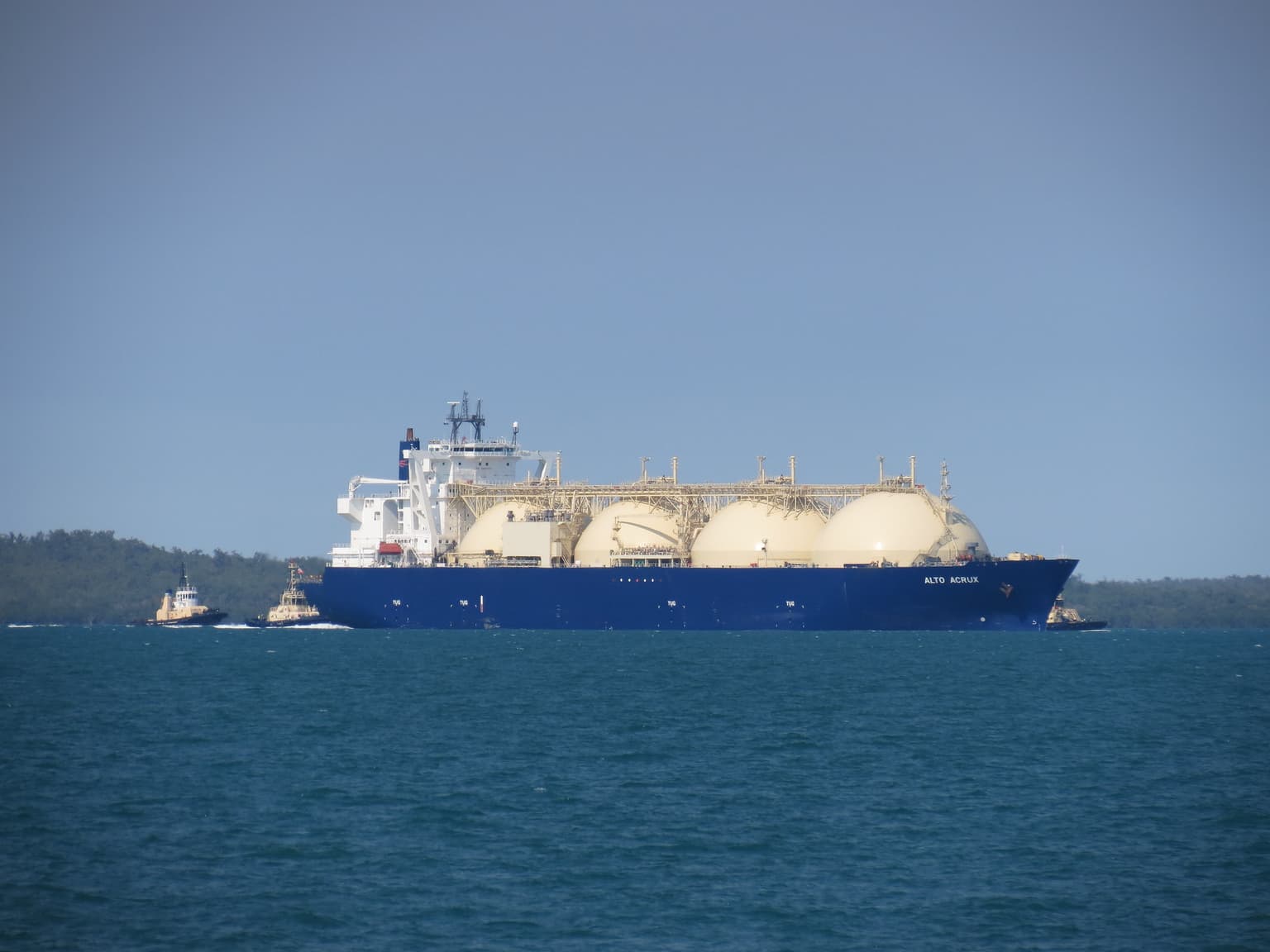
LNG tanker Alto Acrux. Source: Ken Hodge / Creative Commons / CC BY 2.0
New rules and uncertainties
The Methane Regulation requires LNG importers to monitor, report and verify (MRV) methane emissions. From 5 May 2025, they must provide information on emissions annually, while from 2027, new or renewed contracts will have to comply with MRV rules. For contracts concluded before 4 August 2024, importers must demonstrate reasonable efforts to ensure equivalence.
From 5 August 2028, methane intensity (the amount of methane produced per unit of product) must be reported annually for new contracts, and from 5 August 2030, imported gas must meet the maximum methane intensity values set by the Commission. Annual emissions reports will be assessed by independent verifiers. The methodology for calculating methane intensity is due to be established by 5 August 2027, with maximum values to follow by 5 August 2029. These rules will have to apply to both new and existing contracts.
“New clauses will need to be included in new contracts, and existing contracts will need to be amended to some extent,” said Jonathan Stern, a research fellow at the Oxford Institute for Energy Studies.
“In practice, many contracts concluded since 4 August 2024 will be subject to requirements that have not yet been fully established in delegated legislation.This could create uncertainty about what will be required in the long term,” Ben Smith, a partner at law firm Norton Rose Fulbright, told Montel News.Concerns over LNG imports into the EU
The new regulations have raised concerns about LNG imports, particularly from the US, where projects source gas from trading markets. In December, the US Department of Energy and the Environmental Protection Agency called on the European Commission to introduce an equivalent system.
Aligning US and EU methane standards would support growing LNG trade between the regions and at the same time entrench the Biden administration's strict rules, even if they were repealed by the incoming administration of President-elect Donald Trump, Reuters reports.
There are further uncertainties. It is unclear how extensions or amendments to older contracts will be treated when they are subject to a requirement to make “reasonable efforts” to achieve equivalence. What this term entails has not yet been specified.
Producers such as Algeria and Nigeria would also have to invest in emissions monitoring infrastructure that did not exist when their projects were launched, Smith points out.
It remains unclear what certificate or instrument will be accepted as proof of emissions, and at what level reporting will be required: for individual cargoes, production sites or an importer's entire portfolio. The accuracy of reports is also complicated by gas blends from different sources.
Suppliers unable to comply with the rules could stop trading with the EU, potentially affecting LNG supplies, although the scale of this impact remains unclear.
“Those able to demonstrate that their LNG and gas are compliant will be in a much better position than those who either refuse to do so or cannot prove that they will not make life difficult for importers,” Stern said.
Translation disclaimer
This article is a machine translation of the Czech original and has not yet been fully reviewed. In case of any doubt, please refer to the Czech version.
Sdílejte článek prostřednictvím:
You might also like


23 October 2026, 11:01


23 October 2026, 06:34
