11 October 2026, 08:24
Loading...
Sweden and Norway threaten European energy security, Danish energy experts say

David Vobořil
14 June 2026, 08:41
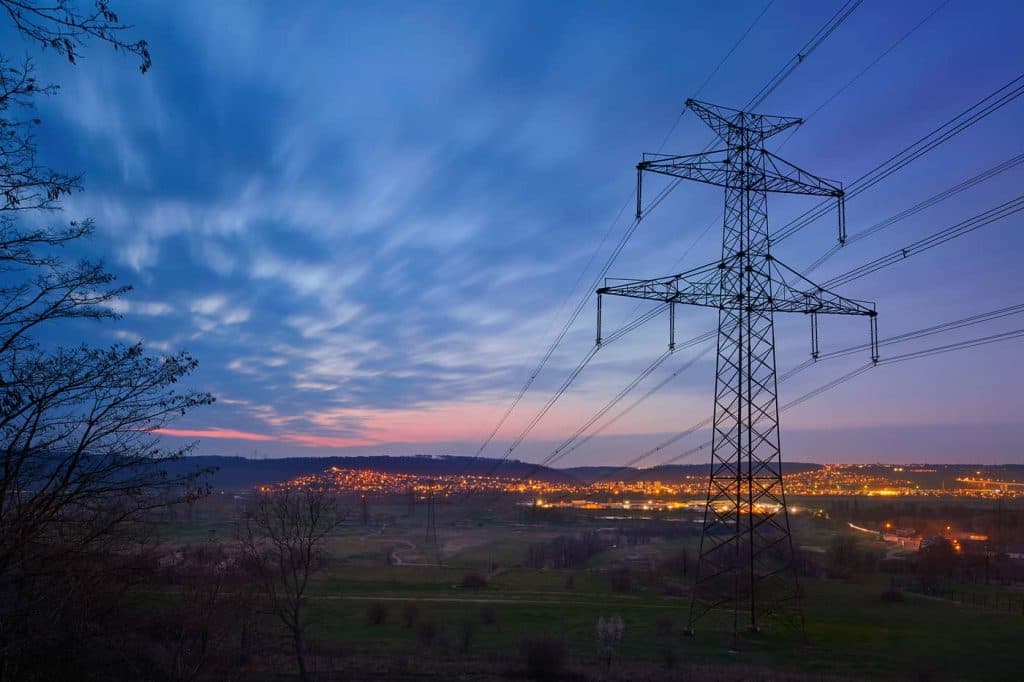
Plans by Sweden and Norway to limit or not renew some of their electricity interconnectors with Denmark are raising concerns in the energy sector. According to Green Power Denmark, cross-border transmission lines are vital not only for security of supply in individual countries, but also for the functioning of the European electricity market. Limiting interconnections could lead to higher prices, a greater risk of electricity shortages and make it harder to integrate renewable energy across the region.
Denmark’s renewable energy sector is warning of the negative effects of possible restrictions on electricity interconnectors between the Nordic countries. According to Green Power Denmark, limiting cross-border transmission lines between Denmark, Sweden and Norway could disrupt the stability of the European energy system and create new obstacles to efficient electricity trading.
“Cross-border interconnections are essential to ensuring security of supply not only in individual countries, but across the entire Nordic region and Europe,”Michael Madsen, head of power generation and energy markets at Green Power Denmark, told Montel.
According to Madsen, an interconnected European system is even more important in the current geopolitical situation, as Europe seeks to reduce its dependence on fossil fuel imports. Madsen warned that restricting interconnections could create bottlenecks in Europe’s transmission grid.
Swedish government and some Norwegian politicians oppose links with Denmark
In May, the Swedish government suspended preparations for a new 1 GW subsea Kontiskan cable between Sweden and Denmark. The move follows a dispute with the European Commission over the use of so-called congestion revenues. At the same time, politicians in Norway have proposed not renewing the two oldest Skagerrak 1 and 2 cables between Norway and Denmark, which have a combined transmission capacity of 500 MW. Some Norwegian politicians cite concerns about rising electricity prices in Norway.
According to Madsen, Denmark is one of the countries that is exceptionally dependent on international interconnections. The country is among Europe’s leaders in the use of wind power. According to data from Danish transmission system operator Energinet, wind power has covered more than half of Denmark’s electricity consumption in recent years. However, wind generation is variable, making it necessary to import electricity when output is low and export it when there is a surplus.
ENTSO-E has also long emphasized the importance of cross-border transmission lines. According to the organization, interconnected European markets reduce the cost of operating the power system, improve security of supply and facilitate the integration of renewable energy.
The European Union, and the European Commission in particular, takes the same view. For many years, it has supported the development of cross-border transmission lines and set member states a target of reaching, by 2030, cross-border transmission capacity that allows electricity imports and exports equivalent to at least 15% of each country’s generating capacity.
Effects reach beyond Scandinavia
Hydropower plants in Norway provide a significant source of flexibility to balance wind generation in Denmark and, increasingly, Germany. Restrictions on interconnections could therefore affect not only the Nordic countries themselves, but the wider European market as well.
Green Power Denmark has therefore called on the new Danish government, formed last week, to work with its neighbours to preserve existing cross-border interconnections and expand them further. The organization says that as transport, heating and industry become more electrified, even stronger cross-border links will be needed than are in place today.
Experts also point out that building new transmission lines is one of the key prerequisites for a successful energy transition. Without sufficient transmission infrastructure, it would be harder to use renewable generation where there is a surplus and deliver it to areas with higher demand. This could lead to more frequent price fluctuations and higher costs for consumers across Europe.
Translation disclaimer
This article is a machine translation of the Czech original and has not yet been fully reviewed. In case of any doubt, please refer to the Czech version.
Sdílejte článek prostřednictvím:
You might also like

10 October 2026, 13:19

10 October 2026, 07:37

10 October 2026, 07:02