This week, we once again bring you a carefully selected list of the ten most important articles we published on oEnergetice.cz. If you missed any of them, here is a selection of the stories that most caught our readers’ attention. Good luck in the new week!
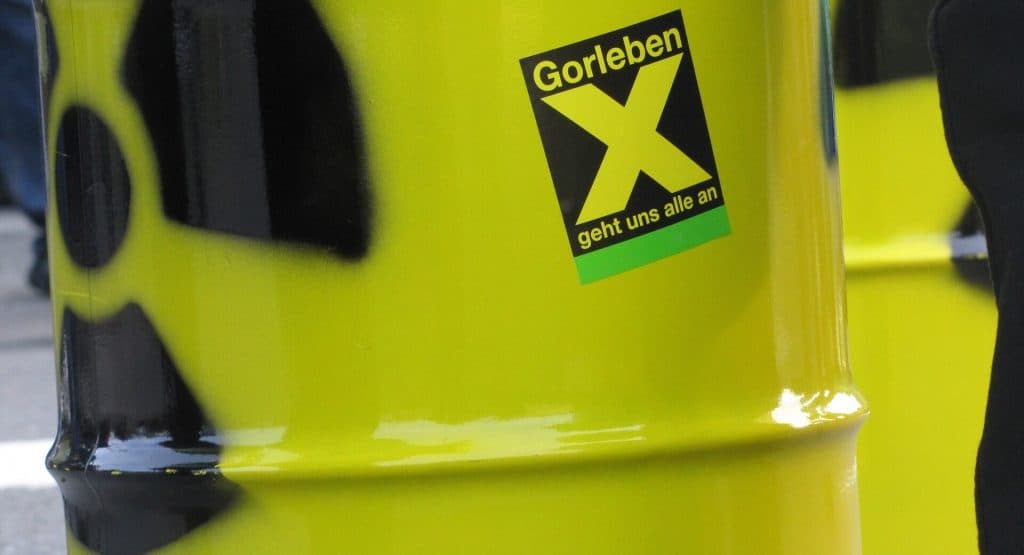
Russia’s nuclear regulator, Rostekhnadzor, has issued a permit to build a new nuclear unit at the Beloyarsk Nuclear Power Plant. Preparatory construction work on the sodium-cooled reactor is therefore likely to begin this year. The BN-1200M unit will use MOX fuel, produced by reprocessing spent nuclear fuel from light-water reactors. The country plans to bring the new unit online within ten years.
Russian energy company Rosatom announced that it had obtained a permit from the nuclear regulator to build the fifth unit at the Beloyarsk Nuclear Power Plant. The new unit is set to feature a BN-1200M sodium-cooled fast breeder reactor. Its expected installed capacity is 1200 MW (gross).
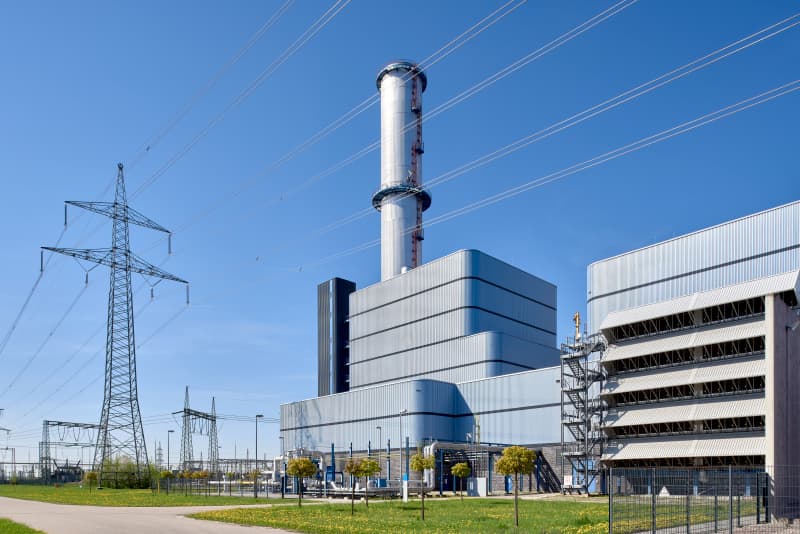
The incoming German government’s plans to use carbon capture and storage (CCS) to generate electricity at gas-fired power plants are likely to prove a costly and unnecessary way to decarbonise Germany’s energy sector, critics told Montel. Experts say the technology makes no sense when combined with gas-fired power plants.
The coalition of Friedrich Merz’s Christian Union (CDU/CSU) and the Social Democrats (SPD) plans to launch tenders for 20 GW of gas-fired power plant capacity by 2030. It also hopes to pass a law by the summer allowing carbon capture and storage at gas-fired power plants and in industrial processes.
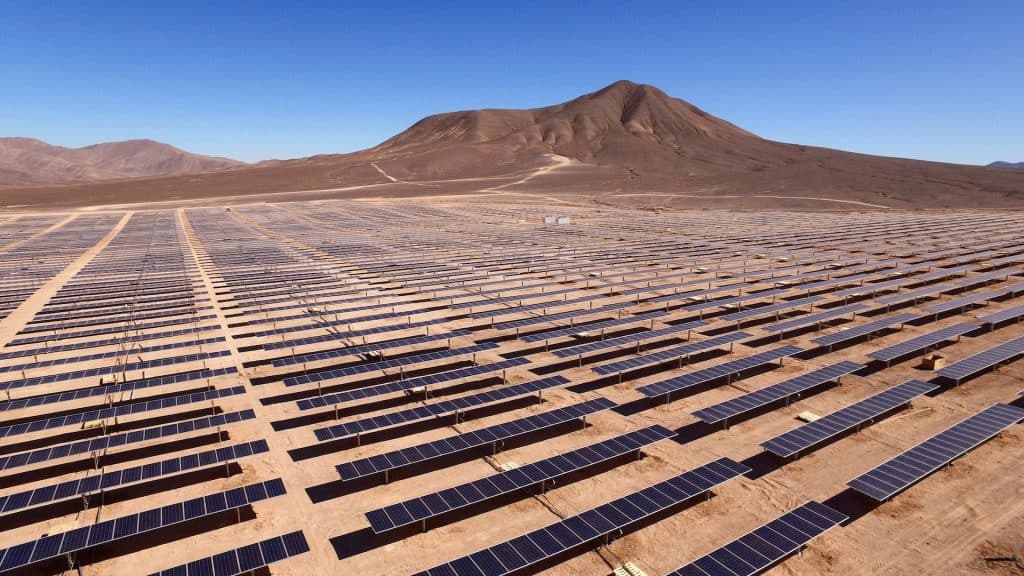
China has long dominated the global market for photovoltaic panel manufacturing. However, manufacturers there are facing a difficult situation that is weighing on their financial results. Leading Chinese suppliers of components for solar power plants have reported losses running into billions for the first quarter.
Chinese suppliers of components for solar power installations, particularly photovoltaic panel manufacturers, are sliding into the red. According to Reuters, they are being hit hard by US President Donald Trump’s actions and the resulting trade war. Chinese manufacturers have already been grappling with low panel prices and tariffs on imports into the US for some time.
Unfavourable weather conditions in the first quarter of this year led to a significant drop in renewable energy production in Germany. Datapublished by industry association BDEW and research institute ZSW show that a total of 63.5 TWh was generated from renewables in our western neighbour from January to the end of March. That is 16 per cent less than in the same period in 2024. Overall, renewables covered 47% of Germany’s electricity consumption in the first quarter of the year.
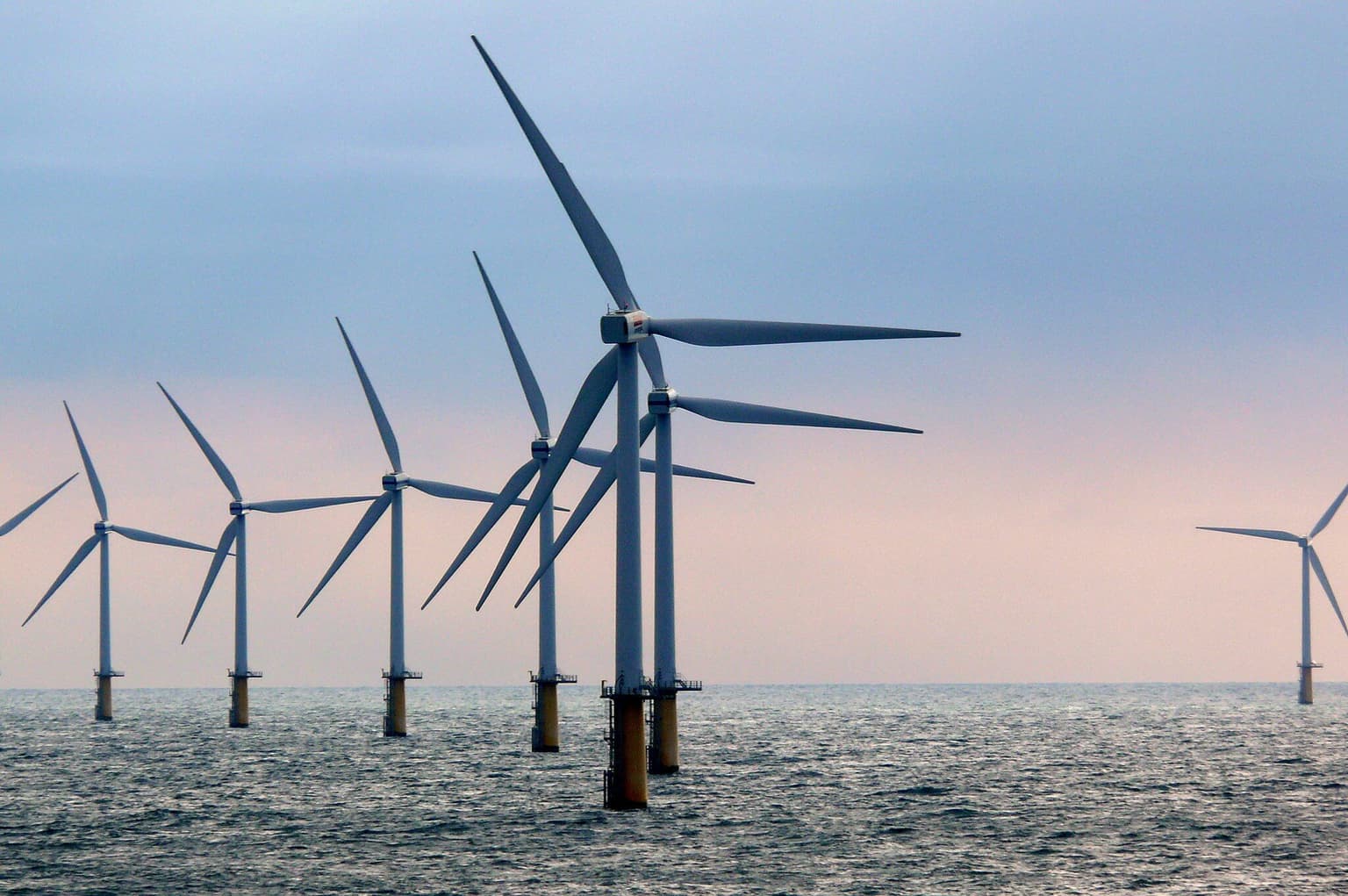
The significant drop in production was caused by unfavourable weather conditions, particularly unusually light winds in February and March. This had a very strong impact on generation from wind turbines, both onshore and offshore, in the first quarter.
A week after the largest power outage in Spain’s history, which affected the entire Iberian Peninsula on 28 April, it is still unclear exactly what caused it. According to Spanish newspaper El Economista, this has also led to a dispute between energy company Red Eléctrica (REE) and the Ministry for the Ecological Transition. Many experts believe that the high share of renewables in Spain’s energy generation contributed to the blackout.
REE, whose majority shareholder is the Spanish state, presented a document last May proposing updates to the security criteria for protecting electricity infrastructure in light of the growing share of renewable energy. REE warned that systems could behave abnormally in areas with a high concentration of renewable generation.
“The wind is blowing the wrong way for Labour’s 2030 clean energy deadline,” wrote The Guardian in response to the cancellation of the Hornsea 4 project. This represents a major setback for Britain’s ambitious renewable energy plans, particularly for offshore wind, further jeopardising an already tight timetable.
When the National Energy System Operator (NESO) published an independent analysis last November of possible pathways to achieving the ambitious Clean Power 2030 target (CP2030), it described the plan as exceptionally challenging. In its words, it “pushes the boundaries of what is deliverable”, while adding that “there is still some flexibility at the margins.” That flexibility is now being put to a serious test.
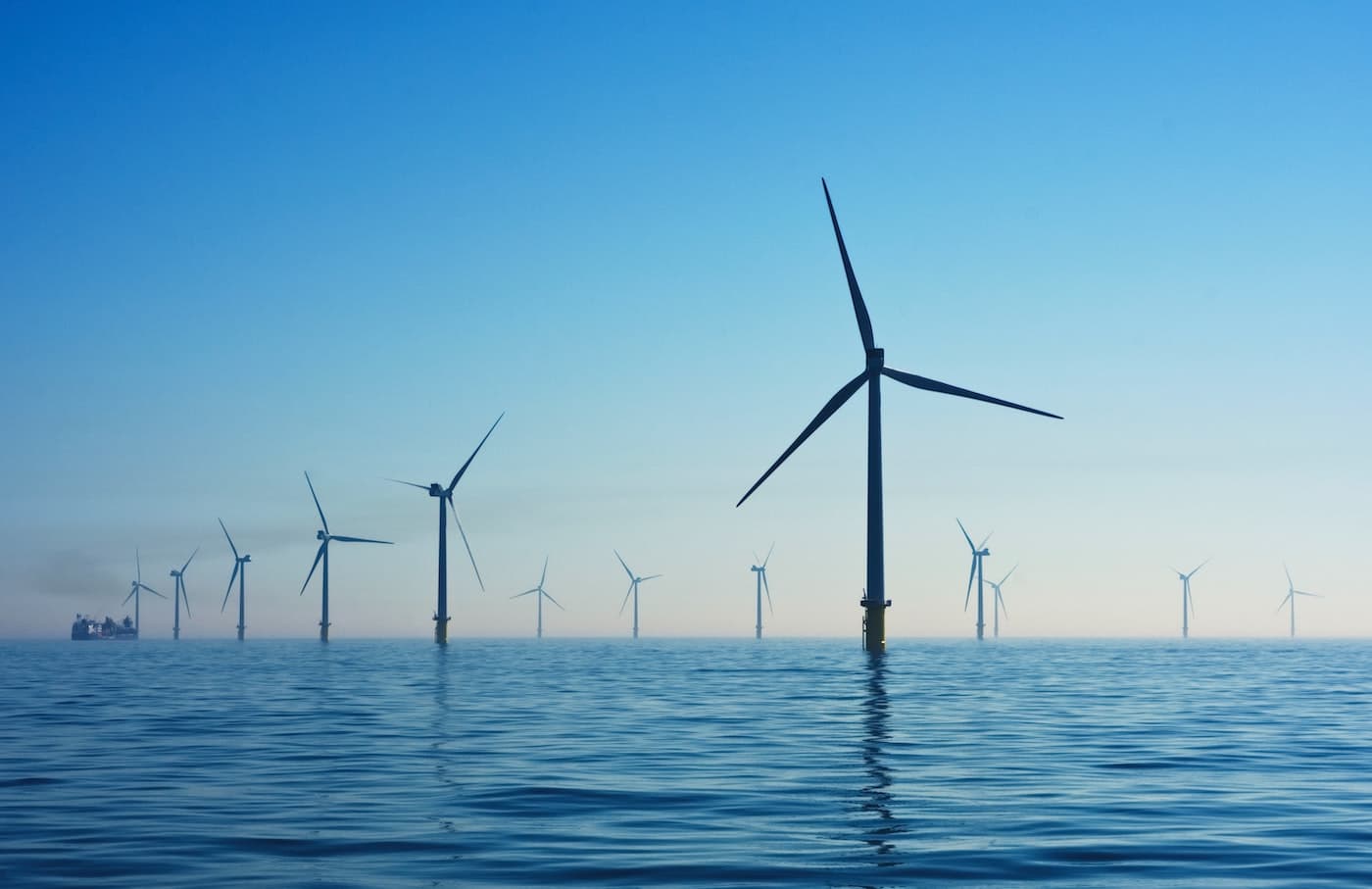
Danish energy company Orsted is pulling out of another offshore wind farm project, this time in UK waters. The company secured support for the planned wind farm only last autumn. Hornsea 4 is not the first offshore wind farm that Orsted will not build; the company halted other projects in the US in 2023. The company’s shares have also been affected by the negative developments of recent years, falling 80% from their peak.
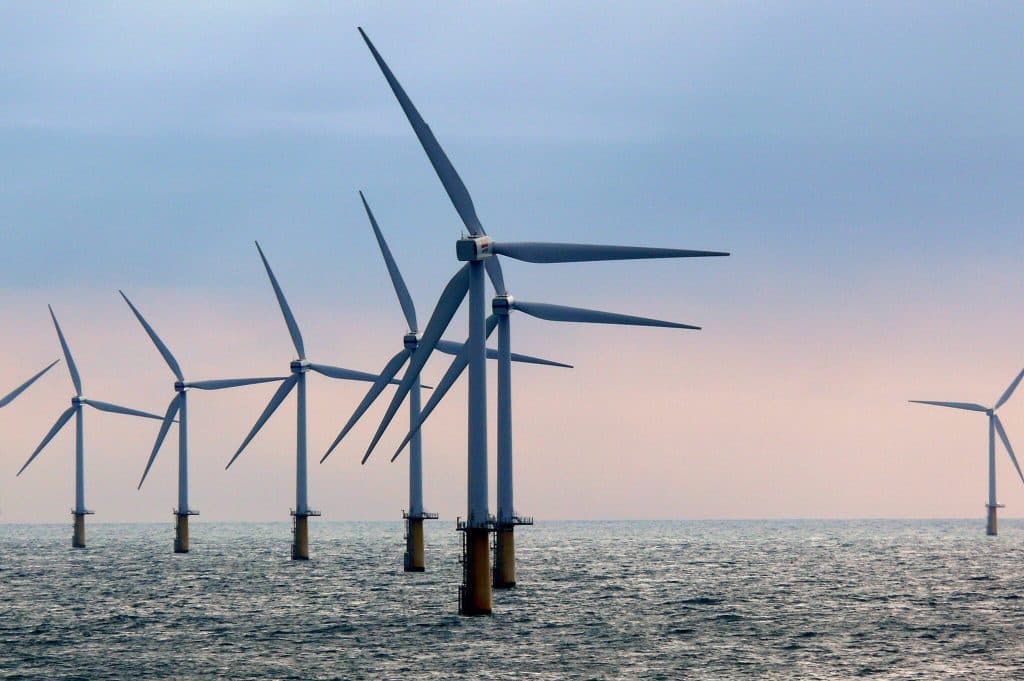
The offshore wind sector has faced unfavourable conditions in recent years, partly due to rising costs. Developers have cancelled several offshore wind farm projects, and the list grew by another this week. The latest project to be cancelled is the planned Hornsea 4 wind farm, which was to be built in UK waters. With planned installed capacity of 2.4 GW, it would have ranked among the world’s largest offshore wind farms.
Berlin, 9 May (CTK) – Germany’s new economy and energy minister, Katherina Reiche, today ruled out the possibility of Germany returning to nuclear power generation. In her view, a return would require too much money and there is no social consensus for it. Nuclear power is part of Europe’s energy mix, she said, but no longer Germany’s. Reiche plans to focus on building gas-fired power plants, the DPA news agency reported.
The decision to phase out nuclear power generation in Germany was originally made in May 2011 by the government of Chancellor Angela Merkel of the Christian Democratic Union (CDU), of which Reiche and Chancellor Friedrich Merz are also members. The trigger was the nuclear accident at Japan’s Fukushima power plant that same year.
The French government will delay the release of its long-awaited 10-year energy plan and is likely to take into account criticism voiced during debate in the country’s parliament at the end of April. Critics say the plan gives too much priority to the development of renewable energy sources. The international news service Argus reported.
The release of the new 10-year energy plan, which was originally due in 2023, still seemed highly likely last month. However, criticism in the French parliament, where Prime Minister Francois Bayrou does not have a majority, prompted the government to reconsider it.
The government today approved the planned signing of the final agreement with South Korea’s KHNP to build nuclear units at Dukovany. It did so in advance, in case signing the contract becomes possible. Prime Minister Petr Fiala (ODS) said this at a press conference after the cabinet meeting. He hopes the court will rule on Dukovany as soon as possible.
The final agreement with KHNP was originally due to be signed today, but the Brno Regional Court blocked the signing with an interim injunction on Tuesday. It acted on a motion by French company EDF, which challenged a decision by the Office for the Protection of Competition (ÚOHS). The office had ruled that the tender was fair. The court has not yet ruled on EDF’s complaint. Elektrárna Dukovany II, the company responsible for the nuclear tender, will file an appeal against the injunction with the Supreme Administrative Court (NSS).
Energostat: electricity generation in the Czech Republic
Data in this chart is also available in 15-minute resolution60min15min
Energostat: electricity generation in Germany
Data in this chart is also available in 15-minute resolution60min15min
Find more up-to-date charts and data on Energostat
Translation disclaimer
This article is a machine translation of the Czech original and has not yet been fully reviewed. In case of any doubt, please refer to the Czech version.