4 October 2026, 21:07
Loading...
War fallout is battering Southeast Asia, with the Philippines most vulnerable
Vojtěch Kříž
31 March 2026, 06:14
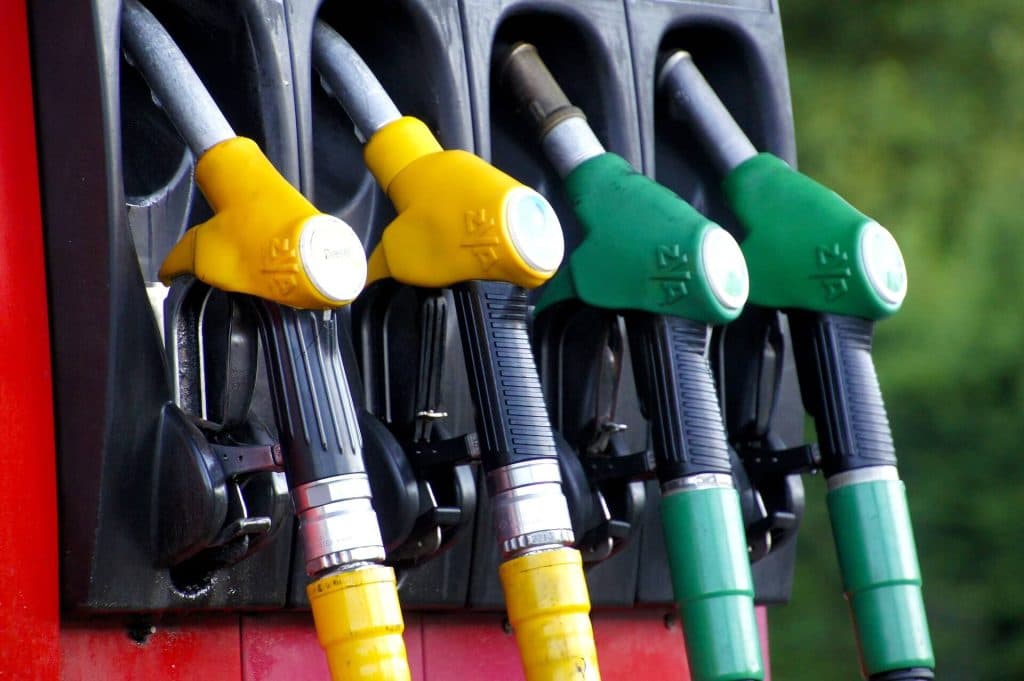
Southeast Asia is the biggest victim of the closure of the Strait of Hormuz, through which the vast majority of the oil and gas consumed by these countries passes. Many have supplies for only a few weeks. As fuel prices rise, so does public discontent. A number of governments are now considering ways to mitigate the impact on people and the economy. But what options do they have?
While media attention is focused on the region’s northern neighbours, namely countries such as South Korea, China and Japan, Southeast Asian countries are reaching the limits of their capabilities. The war in Iran has cut off up to 90% of oil imports for some of these countries, and many lack sufficient reserves, unlike their wealthier neighbours. While South Korea is discussing price caps, governments in the Philippines, Vietnam and Thailand are weighing what to do if fuel supplies start to run out.
Philippine President Ferdinand Marcos Jr. declared a state of “national energy emergency” last week. He also said: “Nothing is off the table; we’re looking at everything we can do.” The Philippines’ energy mix is based primarily on coal, most of which is imported from Indonesia. Gas accounts for about 14%, and its supplies have also been affected by the conflict in the Middle East. Oil, however, is the biggest problem. More than 90% of oil is imported, most of it through the Strait of Hormuz. Around 65% of oil consumption in the Philippines is for transport.
The island nation, with a population of 117 million, is doing everything it can to avert a crisis. But rising oil prices have sparked protests against the government and the United States, and even the government’s relatively swift response—declaring a national energy emergency, cutting fuel taxes, introducing a four-day work week and providing fuel subsidies for lower-income groups—has done little to calm the situation. The government also says it has oil supplies for only around two months. According to some reports, more than 350 fuel stations have already closed in the Philippines.
Last week, protests broke out in the country among transport workers, including minibus and taxi drivers, who demanded price caps, the abolition of fuel taxes and stronger regulation of the sector. According to some media reports, anti-American slogans were also heard. Diesel currently costs around USD 2.3 per litre in the Philippines, the second-highest price in the region after Singapore (around USD 2.7). Petrol costs about USD 2 per litre, similar to the price in Czechia for now. Given average monthly salaries of around CZK 7,500–15,800, however, this is a much heavier burden. Prices rose again while this article was being written.
According to some sources, the Philippine government had an analysis as early as last year that predicted a supply disruption scenario with considerable accuracy. Politicians, however, did not give it sufficient attention and now have to respond on the fly.
Other countries in the region
Although the Philippines is probably the hardest hit, the situation is similar in other countries in the region. Vietnam has supplies for around 30–45 days, Singapore for 20–50 days, and Thailand for about two months. The situation is even worse in Cambodia and Laos. These countries relied on imports from Thailand, which has restricted exports since the crisis began. Laos is also landlocked and entirely dependent on its neighbours. Laos, Cambodia and Myanmar (where a civil war is ongoing) have very limited domestic oil refining capacity.
The crisis also has secondary effects. Tourism, a key source of income for the region, is at risk. Some European tourists travelled via the Middle East, which is now unstable. Higher fuel prices are also making air travel more expensive, further reducing demand.
The effects are already being felt in Vietnam, where some domestic flights have been cancelled. The reason is limited fuel supplies from China and Thailand.
Other countries, such as Thailand and Singapore, are also concerned about rising energy commodity prices, not only for transport but also because of the high share of gas in electricity generation. This could have a negative impact on industry and households. Although gas prices have not yet reached 2022 levels, the increases are gradually feeding through into the economy.
The best-positioned countries in the region are Indonesia and Malaysia. Both have their own fossil fuel sectors—Malaysia exports gas, while Indonesia exports coal. Indonesia could also benefit geopolitically from higher regional demand. Even so, higher prices are affecting people there too.
What next?
Governments responded swiftly with similar measures: cutting taxes and using demand destruction (demand destruction), reducing oil consumption by shortening working days or requiring people to work from home. Unlike in previous crises, however, alternatives are available.
The oil industry may also see a threat in the form of demand erosion. Southeast Asian countries have had some of the world’s fastest-growing electric vehicle markets. For example, Cambodia responded to the crisis by abolishing import duties on electric vehicles, electric cookers and toasters. The Philippines, meanwhile, plans to fast-track renewable energy projects. It is too early to draw final conclusions, and much depends on how long the conflict lasts. But we may be witnessing a fundamental shift in some emerging markets.
Translation disclaimer
This article is a machine translation of the Czech original and has not yet been fully reviewed. In case of any doubt, please refer to the Czech version.
Sdílejte článek prostřednictvím:
You might also like

3 October 2026, 13:01
3 October 2026, 07:43
2 October 2026, 21:55