23 October 2026, 14:38
Loading...
Austria plans to increase solar generation more than sixfold by 2040
Daniel Grecman
15 June 2024, 12:35
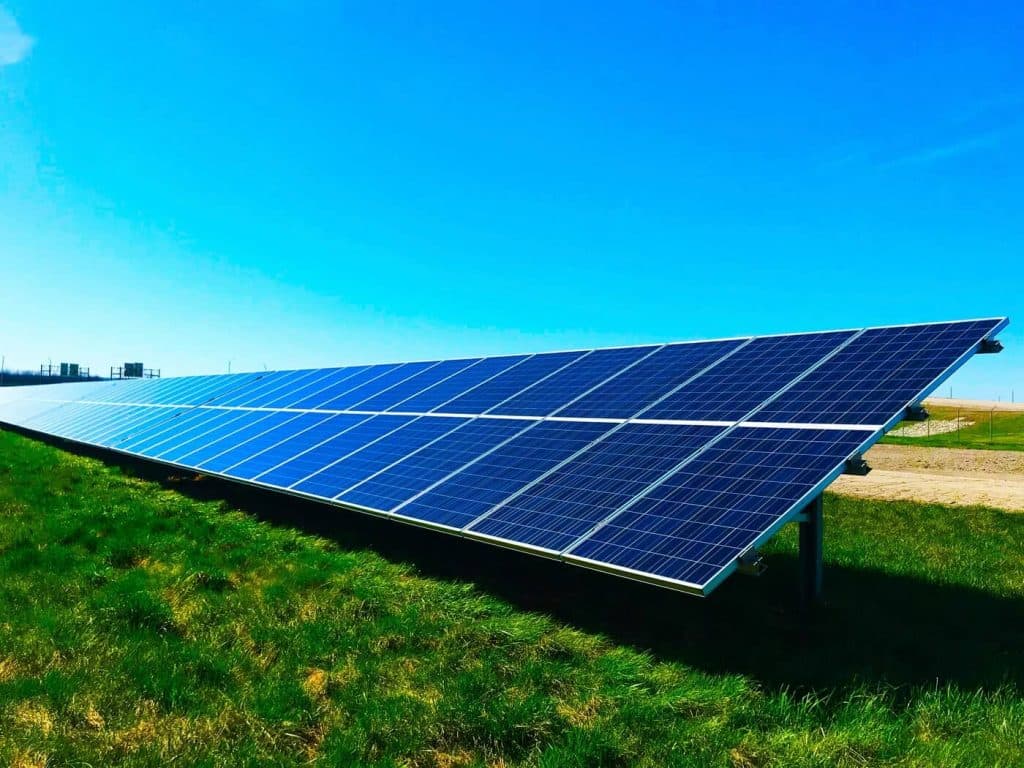
Austria on Thursday unveiled, through Energy Minister Leonore Gewessler, a new target for solar photovoltaic (PV) plants. Their generation is set to increase more than sixfold by 2040, reaching a target of 41 TWh/year. The economic feasibility of this target, however, has yet to be assessed, as reported by foreign news outlet Montel.
Austria this week unveiled an ambitious plan under which solar PV is to account for up to 30 % of the country’s electricity generation by 2040. In 2022, solar PV accounted for 5.5 % of generation, with annual electricity output of 3.8 TWh, according to data from the International Energy Agency (IEA). Last year’s generation had already reached 6.3 TWh, according to Montel data.
The increase in generation is due to Austria installing approximately 2.5 GW of new capacity last year. To meet the 2040 target, this pace must be maintained going forward. Annual additions should exceed 2 GW/year. However, this threshold has been surpassed only once in history, namely last year.
The strategic document nevertheless notes that a detailed assessment of the plan’s economic feasibility needs to be prepared, taking into account the ambitious annual additions of installed capacity and the impact on electricity prices.
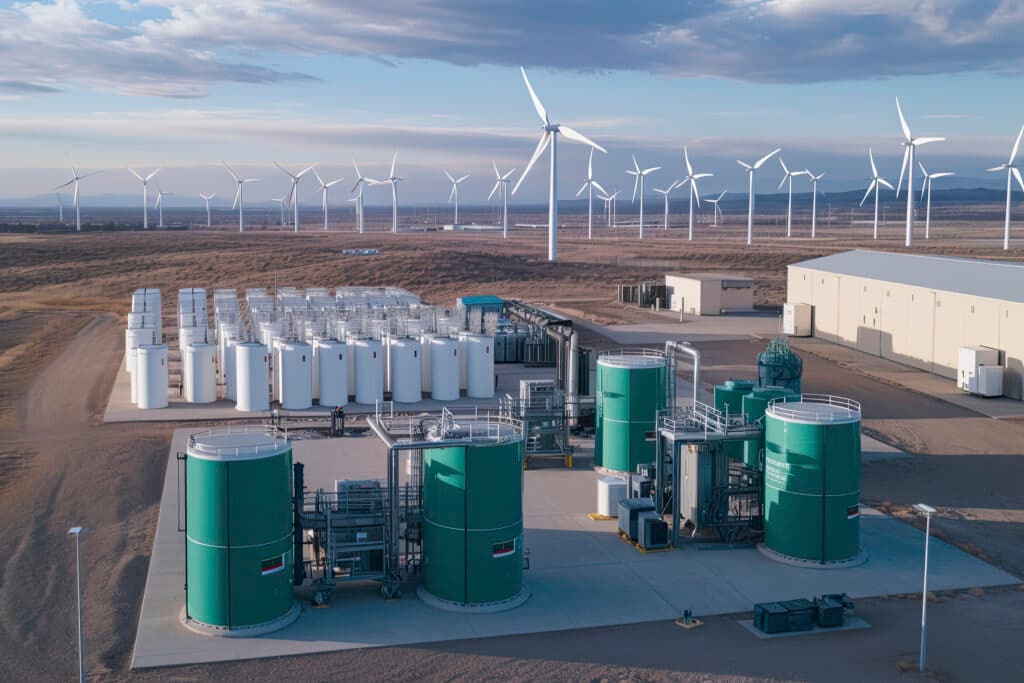
According to the document, exporting electricity abroad is not a solution, as the rest of Europe is moving in the same direction. Namely, increasing installed solar PV capacity. The document also calls for an economic feasibility study on the installation of large battery storage facilities and electrolysers (for hydrogen production).
Solar PV in Czechia
The issue of economic feasibility will also become increasingly important in Czechia. As of 9 June 2024, there had already been a total of 147 hours with negative prices on the day-ahead market. There were 134 such hours over the whole of last year. It should be recalled that Czechia currently offers only investment subsidies for solar PV, rather than operating support. However, investment subsidies may often not be sufficient to make a project economically viable, including with regard to securing the necessary financing.
Elsewhere in Europe, a different support scheme than in the past is now commonly used for operating support. Operating support is possible in the form of a so-called auction premium and a contract for difference. The applicant sets a reference purchase price and, if successful in the auction, this reference price is compared with the day-ahead market price on an hourly basis. When the price is higher, the applicant pays the market operator the price difference for that hour. The reverse also applies: when the price is lower, the market operator pays support to the applicant for that hour. The price difference is called the auction premium.
Power plants with secured state operating support obtain bank financing more easily, which often determines whether a project remains on paper or is implemented.
Translation disclaimer
This article is a machine translation of the Czech original and has not yet been fully reviewed. In case of any doubt, please refer to the Czech version.
Sdílejte článek prostřednictvím:
You might also like
23 October 2026, 11:01
23 October 2026, 06:34