
23 October 2026, 14:38
Loading...
Bulgarian-Romanian dam project from socialist era revived
Klára Čeperová
22 September 2024, 08:47
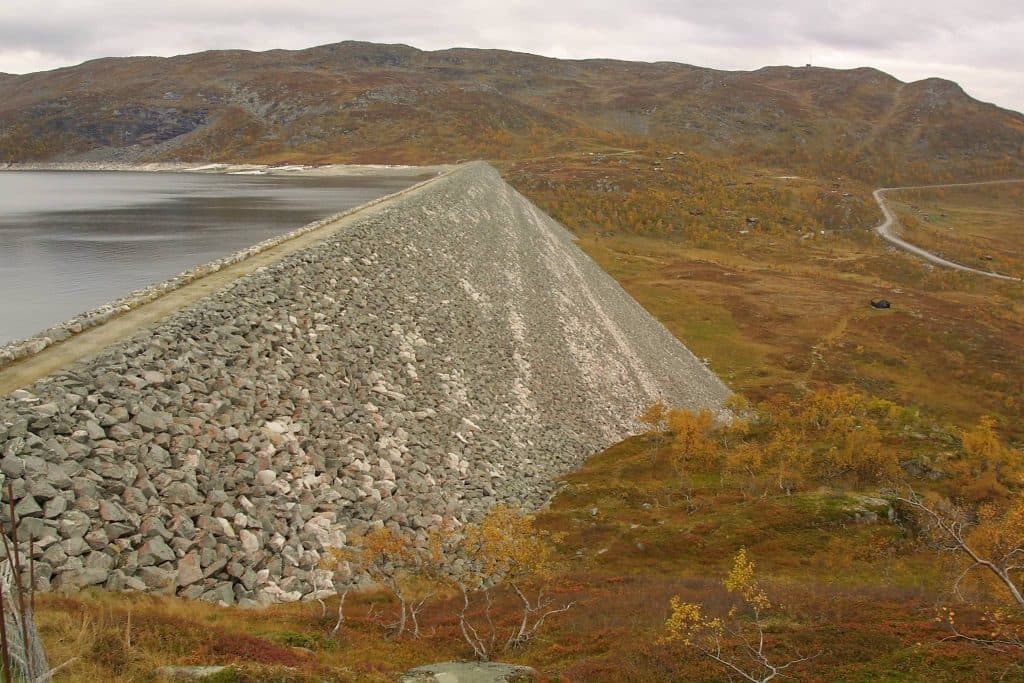
A project backed by the European Commission, involving the construction of a dam and power plant on the Danube between the Bulgarian city of Nikopol and the Romanian city of Turnu Magurele, has been called dangerous by dozens of international environmental organizations. They argue that the project was also rejected by the previous regime.
Bulgaria and Romania plan to jointly build two hydropower plants with a total capacity of 840 MW. The project’s preliminary cost estimate is around 2 billion euros. Construction of the hydroelectric complex is expected to take eight to ten years, Euractiv reports.
The Turnu Măgurele–Nikopol hydropower plant is expected to generate 4.4 TWh of electricity annually. The facility will have substations on both banks of the river and will be connected by a transmission line across the Danube. The project also includes the construction of two bridges over the dams in the complex and two locks for river traffic.
Cross-border project
The two neighboring countries will jointly operate both plants, following the example of the hydropower plants at the Iron Gates, jointly operated by Romania and Serbia, Balkan Insight reported, citing a document published by the Bulgarian government on Tuesday.
“The project is included on the EU list of cross-border renewable energy projects,” the National Electricity Company says.
The list is subject to final approval and publication in the Official Journal of the European Union. The project is to be carried out jointly by Bulgaria’s National Electricity Company (NEK) and Romania’s Hidroelectrica and funded through the Connecting Europe Facility (CEF).
Activists oppose the project
Climate activists are surprised by the European Commission’s decision to include the Danube hydropower project on its list of priority infrastructure investments, despite the high risk of damage to communities, economies and rare ecosystems along the river.
According to Bulgaria’s NEK, the project, which involves the construction of two run-of-river hydropower plants and a large-scale electricity storage facility, focuses on environmental sustainability and renewable energy generation while meeting the needs of the local population and industry.
In its statement, WWF says the Turnu Magurele–Nikopol hydropower project will waste huge amounts of taxpayers’ money and undo environmental gains funded by the EU.
“This is an old project from the 1980s that was rejected even under socialism because the damage it would cause far outweighed the benefits,” WWF said in a statement sent to the media.
According to WWF, the project planned for the lower Danube in Bulgaria and Romania threatens extensive areas of farmland and hundreds of settlements along a 280-kilometer stretch of the river.
WWF, Bankwatch and 36 other non-governmental organizations are calling on the European Parliament to request a two-month extension to the public consultation period on the European Commission delegated act that adds the project to the list of cross-border projects.
Translation disclaimer
This article is a machine translation of the Czech original and has not yet been fully reviewed. In case of any doubt, please refer to the Czech version.
Sdílejte článek prostřednictvím:
You might also like


23 October 2026, 11:01


23 October 2026, 06:34