24 September 2026, 11:23
Loading...
Czech Plzeň Region publishes study on wind power development

oEnergetice.cz, ČTK
18 February 2026, 16:26
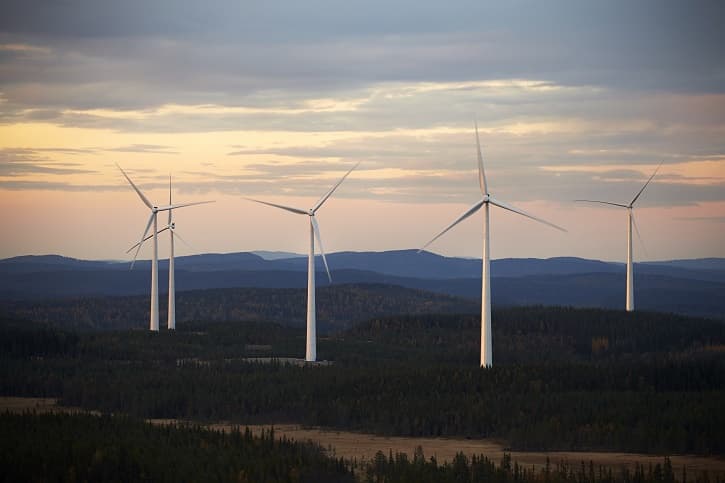
The Plzeň Region today published the full regional study on the development of wind and photovoltaic power plants in the region. It identifies 37 locations where acceleration areas could be established for potential renewable energy projects. Martin Plíhal, head of the regional environment department, told the leadership of the Association of Towns and Municipalities of the Plzeň Region (SMOPK). Mayors welcomed the study because it provides them with an initial basis for talks with investors and landowners.
Acceleration areas, formerly called zones, will be administratively designated areas in Czechia where permitting for wind and solar power plants is intended to be faster and simpler. The state has committed to increasing Czechia's wind capacity fivefold to 1.5 GW by 2030. The National Recovery Plan, through which Czechia draws European funding, even includes a commitment to double capacity.
According to Blovice mayor Robert Zelenka (Žijeme Blovice, SNK), pressure from investors is growing, as is resistance and hysteria among residents, who are demanding information from municipalities about potential projects and acceleration zones, something also confirmed by the region. “This is a consequence of the fact that the current method of designation is not transparent,” Plíhal said. SMOPK head and Klatovy mayor Rudolf Salvetr (ODS) sees the study as guidance for municipalities on how to proceed when investors show interest. “These projects will significantly affect the lives and appearance of municipalities, and many rumours are also spreading around them,” he said.
According to Plíhal, the study was prepared by a specialist company from March last year until the end of the year. The locations take into account natural conditions, the protection of fauna and flora, landscape character and wind flows. The study represents the region’s position and is intended to serve as a basis for any binding designation of areas. “Of course, they can be designated at state level, and the state will hardly take this study into account,” he said. For more than a year, the region has been informing the Ministry of the Environment (MŽP) that it would have the study and that it protects nature and the landscape more strictly. The regional locations are mostly different from those currently included in the state’s proposal.
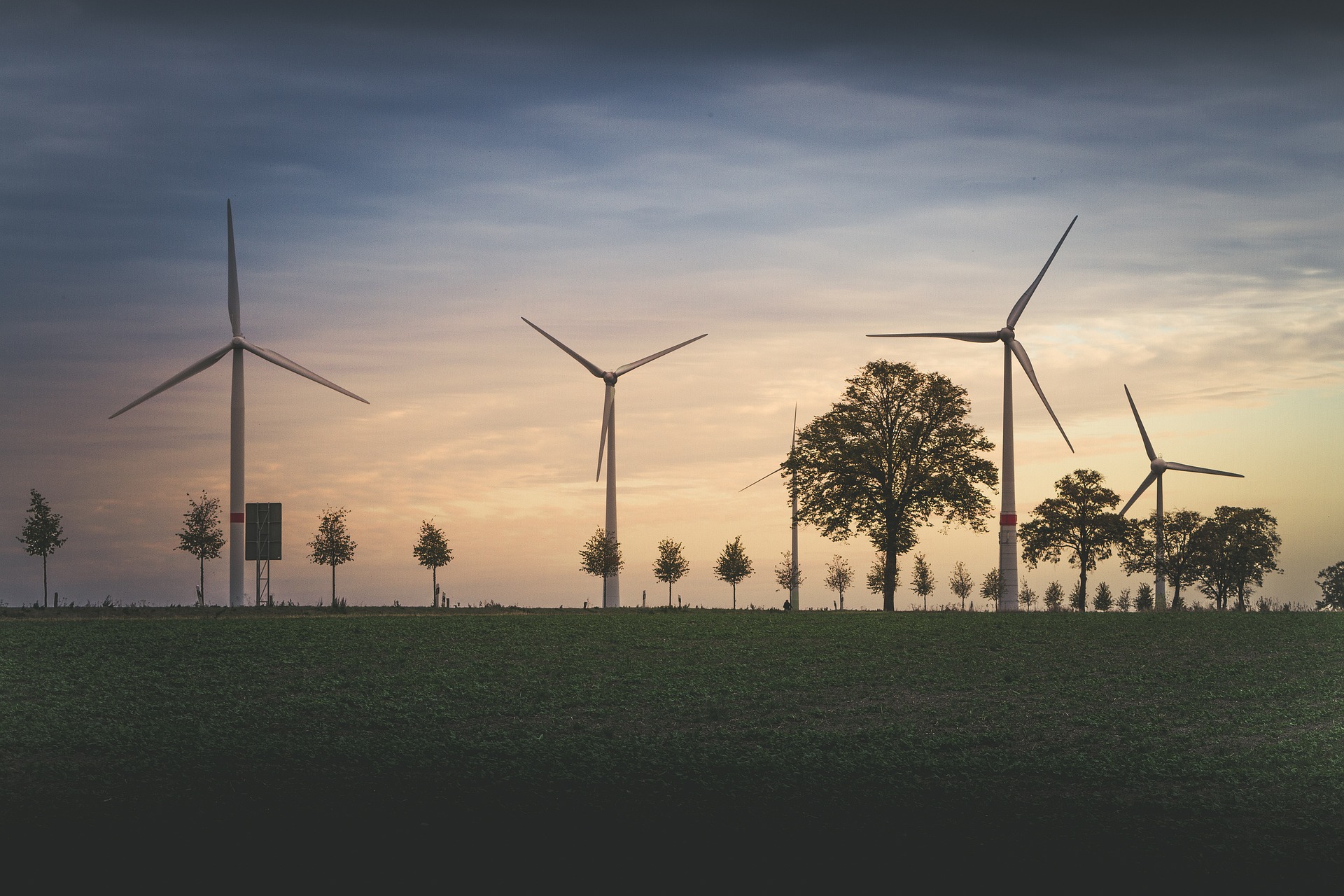
Source: Pixabay
The study includes an information sheet for each location, detailing the proposed extent of the area, mitigation measures for flora and fauna, and an assessment of the site in terms of landscape character. “If the region were to proceed with any designation, there would certainly be communication with municipalities to ensure these are areas accepted by local residents,” Plíhal said. The study contains the most common potential questions and answers to them. According to Jan Kroupar, head of nature conservation, no other Czech region has such a study; only northern Moravia commissioned something similar a year ago, but it is not such a detailed document. “Moreover, it dates from before the law on accelerating the deployment of [renewable] energy sources,” he said.
According to Plíhal, the Plzeň Region initiated a call by the Association of Regions of the Czech Republic in December for the state to suspend work on designating zones, and it is pressing for a working group of regions to be established. “We argue that the pace is too hasty and that the proposed locations need to be examined in detail,” Plíhal said. According to him, the National Recovery Plan requires the designation of areas to be discussed with local authorities, which has not happened so far. He welcomed the remarks by the prime minister and industry minister after a government meeting in early February, who, according to Plíhal, rejected the current method of designating acceleration areas. He also sees a shift in the approach of the new leadership of the Ministry of the Environment. “It is now taking a constructive approach to discussions with the regions,” he added.
The study also targets solar generation. “To determine the potential of areas that are already included in spatial plans today, even if they are intended for logistics sites. So that they can also be used for solar power plants and we can eliminate the development of these parks in open countryside,” Plíhal added.
Translation disclaimer
This article is a machine translation of the Czech original and has not yet been fully reviewed. In case of any doubt, please refer to the Czech version.
Sdílejte článek prostřednictvím:
You might also like

24 September 2026, 10:30
24 September 2026, 06:56
23 September 2026, 17:27