
23 October 2026, 14:38
Loading...
EU approves rules to develop clean technologies made in Europe
Daniel Grecman
29 May 2024, 07:08
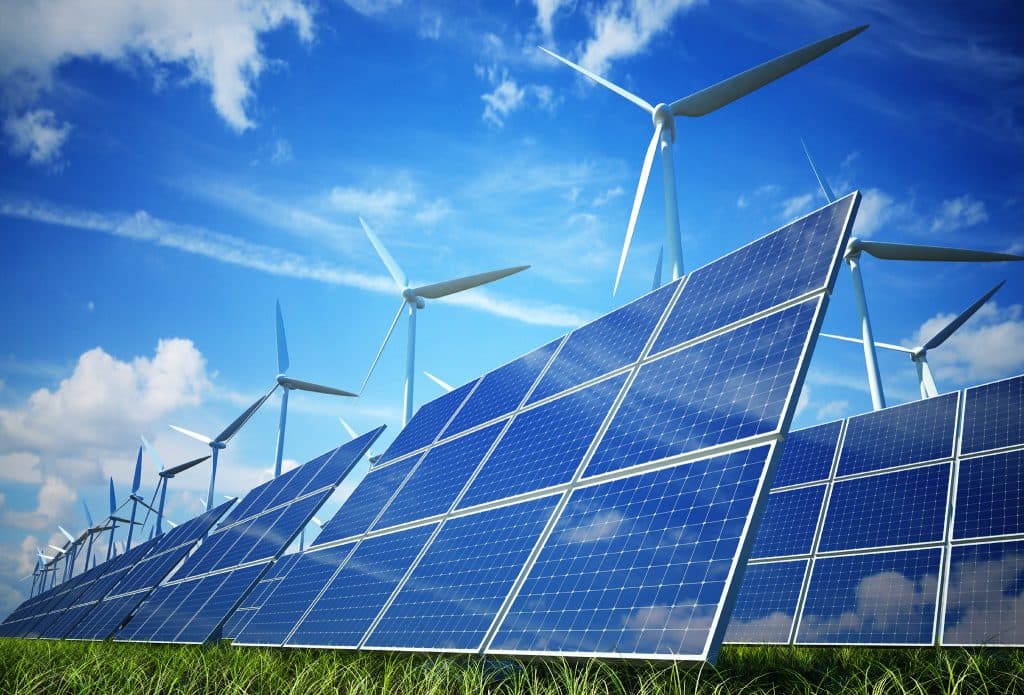
The Council of the EU, comprising ministers from the individual member states, on Monday approved rules intended to kick-start the development of clean technology production within the bloc. The initiative, known as the Net-Zero Industry Act, was proposed by the European Commission in March 2023. Its aim is to strengthen the EU's competitiveness and the energy system's resilience to external influences. In some areas, however, it may be overly ambitious.
The European Commission proposed the Net-Zero Industry Act (NZIA) in March last year. The act aims to expand the production of clean technologies in the EU, specifically by increasing manufacturing capacity for technologies supporting the transition to clean energy sources. The initiative targets meeting at least 40% of annual deployment needs by 2030. Deployment areas include, in particular, solar PV plants, wind power plants – both offshore and onshore, electrolysers and fuel cells, heat pumps and others.
As energy news portal Montel notes, approval of the NZIA means a target of operational manufacturing capacity by 2030 of 30 GW for solar PV, 36 GW for wind power and 550 GWh per year for batteries.
The newly approved rules require EU member states to consider introducing non-price criteria when supporting the development of renewable energy sources. These may include, for example, manufacturing sustainability, cybersecurity and others.
Is achieving the targets in all areas realistic?
China's clear dominance is evident when looking at the solar panel market. Its global share of solar panel manufacturing exceeds 80%. Nine out of ten panels imported into Europe in 2022 came from China.
Last year, consultancy Rystad estimated that, thanks to its dominance in the manufacturing and processing of polysilicon, China can produce panels up to a third more cheaply than its European competitors. According to the International Energy Agency (IEA), this situation is no coincidence – since 2011, China has invested EUR 50 billion in the sector, ten times more than the EU.
Panel inventories in the EU stood at 40 GWp in the middle of last year and were expected to rise further. For comparison, 41 GW was commissioned in 2022, followed by a record 56 GW in 2023. Panel inventories could therefore, very roughly, cover around one year's demand for all installations across the EU. With inventories increasing, panel prices have fallen sharply.
The IEA estimates that global solar panel manufacturing capacity will exceed 1,000 GW this year. According to the IEA's plan, this should be sufficient manufacturing capacity for 2030 to achieve its net-zero scenario by 2050.
In recent years, the IEA has also seen manufacturing capacity increase outside China in India, the US and Europe as a result of efforts to diversify supplies. In Europe's case, however, it adds that high local energy prices for manufacturers make them uncompetitive without specifically targeted support. Given market conditions, achieving the 40% target may therefore appear highly ambitious.
The rules contained in the NZIA will become binding once they are published in the Official Journal of the EU.
Translation disclaimer
This article is a machine translation of the Czech original and has not yet been fully reviewed. In case of any doubt, please refer to the Czech version.
Sdílejte článek prostřednictvím:
You might also like
23 October 2026, 11:01

23 October 2026, 06:34