
17 October 2026, 13:09
Loading...
Germany connected no offshore turbines in the first half of the year. Grid development delays also to blame

Eduard Majling
31 July 2025, 06:08
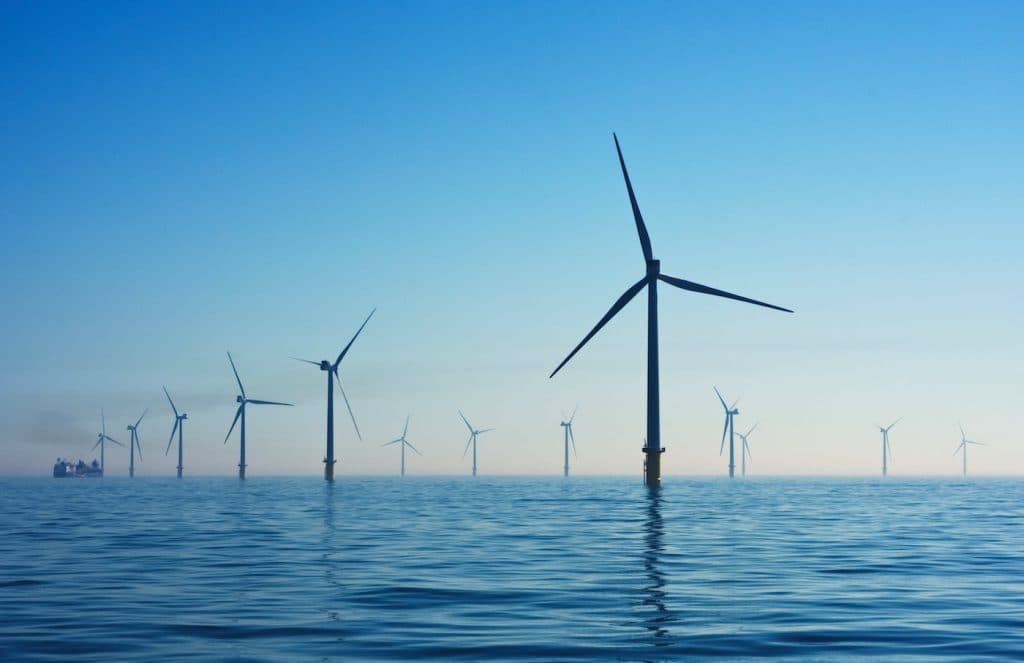
Germany’s offshore wind sector stagnated in the first half of this year, at least in terms of growth in installed capacity. According to the German Offshore Wind Energy Association (BWO), the same number of turbines was connected to the German electricity grid at the end of June as at the end of last year. Construction of one new offshore wind farm has been completed, but delays mean it will not be connected to the grid until next year.
Germany currently has 9.2 GW of installed offshore wind capacity, but the sector has stagnated in recent months. According to the BWO, 1639 offshore wind turbines were connected to the country’s grid at the end of June.
Further power plants are under construction, with a combined installed capacity of 1.9 GW. Developers have taken final investment decisions on projects with an installed capacity of 3.6 GW. According to the association, auctions have awarded projects with a total capacity of 17.5 GW, but construction has yet to begin on them.
External factors, such as the construction of grid connections, may also be behind project delays. One example is the Borkum Riffgrund 3 wind farm, with a planned installed capacity of 959 MW. According to the association, delays in the construction of the connection line are holding up the wind farm’s grid connection, which is now expected sometime in 2026.
Association calls for auction system reform
The BWO, together with other associations and companies in Germany’s offshore sector, is calling for a reform of the country’s offshore wind farm auctions. In recent years, Germany has switched to a model in which developers do not compete in auctions for support for their projects. Instead, they compete to offer the state the most money for the right to develop their project.
While the first auctions raised expectations of billions, the latest rounds have brought mostly disappointment. Developer interest is gradually declining, and bids of billions of euros for gigawatts of capacity have fallen to just a few hundred million.
The auction system, in which developers are required to pay, has recently faced problems outside Germany too. Recent auctions have been unsuccessful in Denmark and the Netherlands, for example, and both countries are apparently set to return to the original model, under which auctions once again offer operating support to offshore wind farm developers.
Translation disclaimer
This article is a machine translation of the Czech original and has not yet been fully reviewed. In case of any doubt, please refer to the Czech version.
Sdílejte článek prostřednictvím:
You might also like




16 October 2026, 10:16