Italy to support agrivoltaics development, with nearly 2 billion euros earmarked for projects

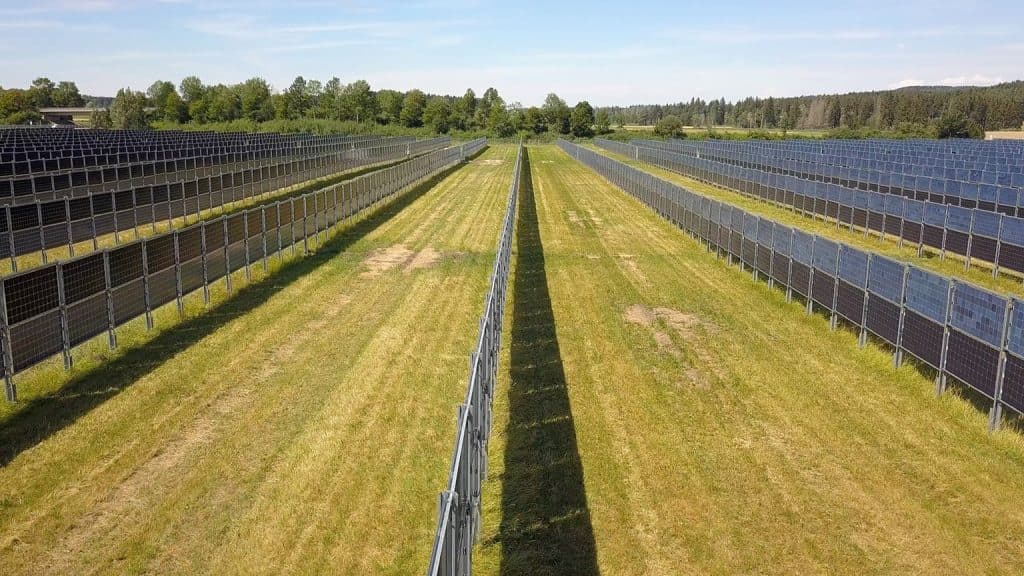
The Italian government this week presented a new decree that opens the way for further support for solar power development. It has earmarked 1.7 billion euros for new projects with a combined installed capacity of over 1 GW, which are also expected to include agrivoltaics. The European Commission had previously approved the support scheme.
The Italian government is launching further support for renewable energy development, this time also focusing on agrivoltaics. The Italian Ministry of Energy and Environment is due to present the specific rules for approving support and subsequently allocating funds within 14 days. An auction for support through contracts for difference should then be held within 30 days.
The scheme will offer investment support covering up to 40% of eligible costs, as well as operating support in the form of contracts for difference. According to Renewables Now, the level of operating support will depend on the share of surplus electricity fed into the grid. The value of the contracts for difference, which will run for 20 years, and eligibility for support generally will depend on the outcome of future auctions.
Of the 1 GW on offer, approximately 300 MW is allocated to small projects with an installed capacity of up to 1 MW. These projects must also be submitted by farmers. The remaining approximately 740 MW is set aside for installations of any size, to be built either directly by agricultural companies or by temporary business associations that must include at least one farmer.
The new form of support was approved by the European Commission last year. Some of the funding will come from the Recovery and Resilience Facility, which the EU set up in response to the coronavirus pandemic. Under the rules, all solar installations supported by the scheme should begin operating by the end of June 2026.
Translation disclaimer
This article is a machine translation of the Czech original and has not yet been fully reviewed. In case of any doubt, please refer to the Czech version.




