Red Sea attacks are not disrupting solar installations in Europe, panel stocks are high

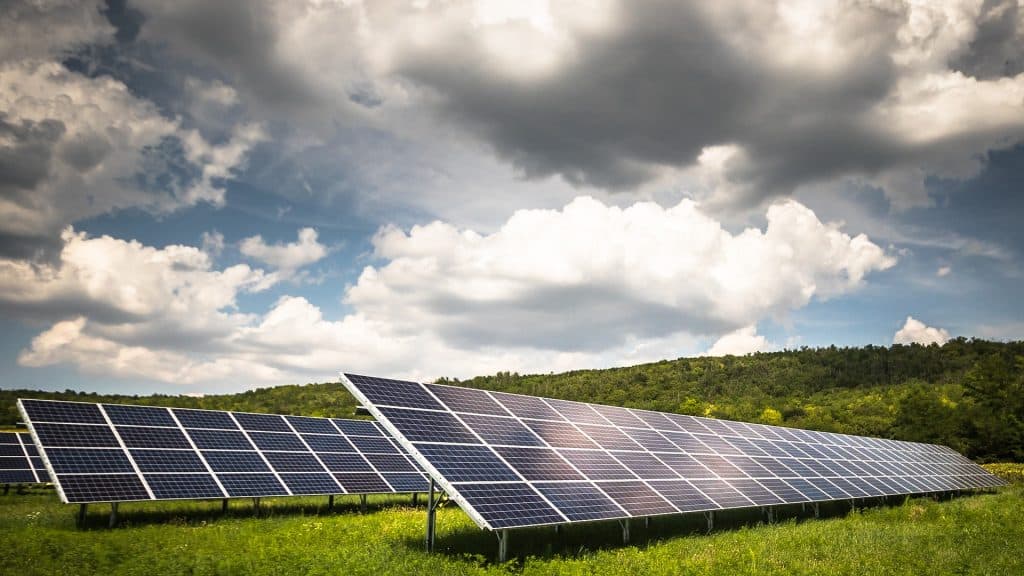
Growing geopolitical tensions, which have led in recent months to attacks on cargo ships passing through the Red Sea, have so far had no significant impact on solar panel deliveries to Europe. Experts interviewed by Montel say that a longer-term diversion of shipping to longer and more costly routes would, however, affect prices. For now, stocks of solar panels should be more than sufficient on the European market.
The increasing intensity of attacks on ships passing through the Red Sea in recent months has led to a significant share of shipping being rerouted around southern Africa. According to Johan Lindahl, secretary general of the European Solar Manufacturing Council, these attacks have no direct impact on solar power installations in Europe.
According to Lindahl, China exported solar panels with an installed capacity of 160-180 GW to Europe last year. In the same period, however, less than 100 GW of photovoltaic capacity was installed in Europe, he said. Solar developers should therefore have sufficient stocks for months of operations.
"China exported a huge amount of panels to Europe, more than we have installed over the past two years," Lindahl added.
According to Lindahl, the long-term use of more costly alternative shipping routes around southern Africa would nonetheless have an impact on the market. The chief executive of Portugal's EDP, one of the largest developers and operators of renewable energy sources, also expressed concern about the risk of attacks on ships passing through the Red Sea according to Montel.
Shipping costs are rising
Although the European market is very well stocked with panels, rerouting shipping onto longer routes and the higher risk are affecting prices. According to Raul Quinto, logistics director at Soltec, shipping costs have already increased sixfold since the end of last year.
Developers may also now be waiting for interest rates to fall, as expected, before buying more components for their projects again. According to Lindahl, lower interest rates could support growth in new installations later this year.
According to another source interviewed, Chinese suppliers could, however, offset higher shipping costs by reducing production costs.
Translation disclaimer
This article is a machine translation of the Czech original and has not yet been fully reviewed. In case of any doubt, please refer to the Czech version.




