
31 October 2026, 12:55
Loading...
The Netherlands expects 400 to 1,000 hours of negative electricity prices this year due to solar

Jan Budín
23 February 2024, 09:04
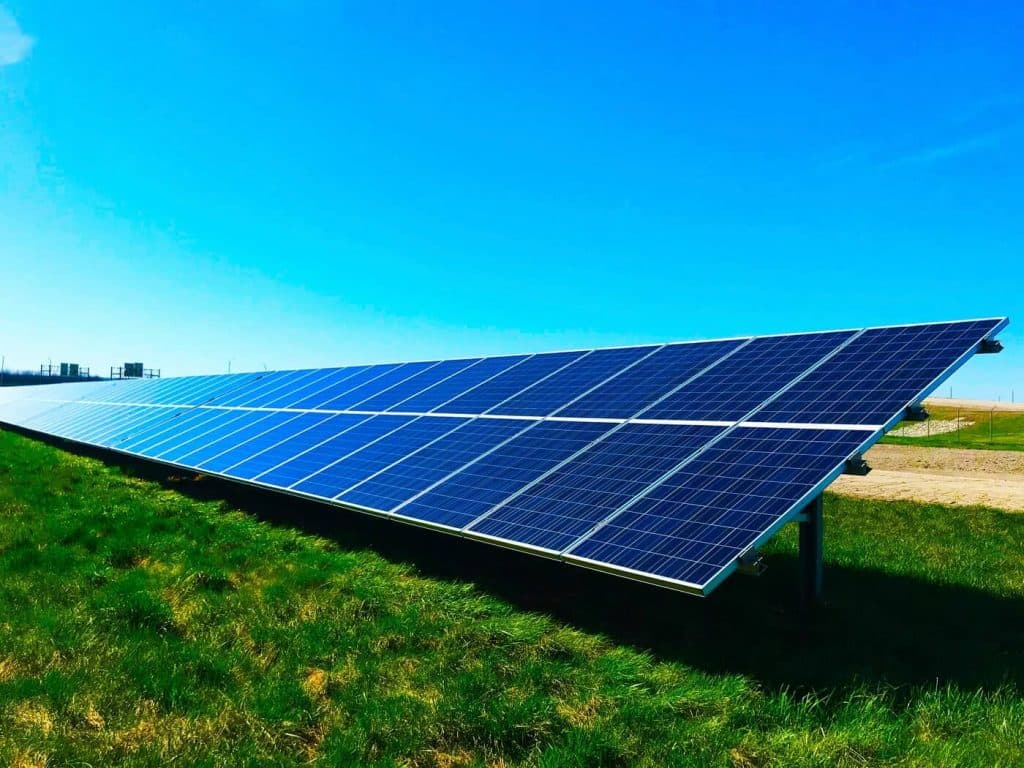
In the Netherlands, hours with negative electricity prices are expected to increase following the Senate’s decision to vote against abolishing so-called net metering. Households will therefore continue to be incentivized to feed electricity from their solar power plants into the grid even during periods of surplus. Montel reported.
The upper house of the Dutch parliament voted against a measure that was intended to encourage households to limit the amount of electricity they feed into the grid from their solar power plants during periods of surplus. According to Jean-Paul Harreman, director of EnAppSys, this will ultimately lead to an increase in the number of hours with negative electricity prices.
The Netherlands already has a relatively high number of such hours. According to EnAppSys statistics, there were 316 last year, for example, despite solar power generation being lower during the summer months. This year, the figure could rise to between 400 and 1,000, Harreman said.
“Installed solar capacity of 26 GW significantly exceeds peak electricity demand, which is 16 GW,” Harreman said. It should be added that peak electricity demand generally occurs during the winter months, when solar power generation falls well short of installed capacity. In summer, when solar power generation is at its highest, electricity demand falls.
Proposal to abolish net metering rejected
To encourage Dutch solar power plant owners to limit generation when electricity is in surplus, the government proposed abolishing so-called net metering and introducing a system of payments for electricity fed into the grid.
According to Montel, the government’s reform narrowly passed the lower house of parliament but was rejected by the Senate. The government’s plan, aimed at reducing public spending and encouraging investment in electricity storage, has therefore failed, at least for now.
Net metering allows solar power plant owners to offset surplus electricity fed into the grid against the electricity they draw from the grid when their solar plants are not generating enough. In principle, this is a “virtual battery” offered by several companies on the Czech market as well.
Negative electricity prices have returned to the Czech Republic
Negative electricity prices, which point to insufficient flexibility in the power system or in the equipment connected to it, also returned to the Czech Republic on a larger scale last year.
While electricity prices traded in negative territory for only 33 and 8 hours in the crisis years of 2021 and 2022, respectively, they returned to the upward trend of previous years in 2023. There were 134 such hours over the full year.
Electricity prices fell deepest into negative territory on Sunday, 28 May. On that day, they dropped to -68.54 EUR/MWh. Electricity was “free” on the market from 10 a.m. to 5 p.m.
From a European perspective, the Nordic countries—Finland and Sweden—are the record holders, at least in terms of the number of hours with negative prices. Finland, which tops the ranking, recorded negative prices for a total of 467 hours last year, and in ten of those hours they reached the limit of -500 EUR/MWh.
Last year, electricity prices also fell to -500 EUR/MWh in the Netherlands, on Sunday, 2 July, when electricity traded at that price during the 13th, 14th and 15th hours.
Translation disclaimer
This article is a machine translation of the Czech original and has not yet been fully reviewed. In case of any doubt, please refer to the Czech version.
Sdílejte článek prostřednictvím:
You might also like

31 October 2026, 08:21

30 October 2026, 20:16

30 October 2026, 12:33