
23 October 2026, 14:38
Loading...
Siemens Energy shares rose faster than Nvidia this year, despite problems in its wind power division

David Vobořil
10 December 2024, 10:08
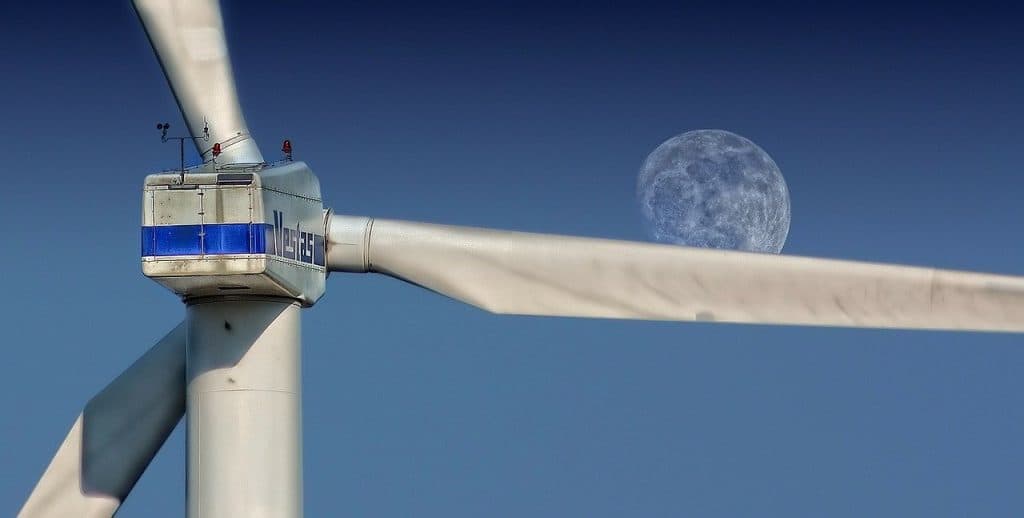
Siemens Energy has staged an impressive comeback. After plunging in 2023, the company’s shares have this year risen faster than some of the biggest names on the stock markets, including Nvidia, which is benefiting from the rise of artificial intelligence. Siemens Energy, still weighed down by troubled subsidiary Siemens Gamesa, has managed to offset losses in its wind power business with other divisions in its portfolio.
Shares in Siemens Energy have risen by more than 300% this year, adding around 30 billion euros to its market capitalisation and making it the best-performing company in the European Stoxx 600 index. By comparison, Nvidia shares have risen 187% since the start of the year.

Relative performance of Siemens Energy shares compared with Nvidia shares and the Stoxx 600 index. Source: Financial Times
A year ago, there were concerns that Siemens Energy, spun off from the Siemens conglomerate in 2020, might go bankrupt. In November 2023, the German government had to bail out the company with support worth 15 billion euros, as it struggled with a crisis at its subsidiary Siemens Gamesa, which manufactures wind turbines.
Troubled Siemens Gamesa
Despite the expansion of renewable energy in recent years, the wind industry has come under enormous pressure. The reasons include supply chain problems, sharply rising costs under fixed-price contracts, lengthy approval procedures and delays in grid expansion.
Siemens Gamesa has also faced problems of its own. In addition to quality defects in two onshore turbine models, the expansion of offshore wind power has also been delayed. In 2023, Siemens Gamesa dragged the group into a net loss of nearly 4.6 billion euros.
Siemens Gamesa is not the only manufacturer facing similar problems. Manufacturers’ efforts to develop ever larger and more powerful wind turbines and innovations in the US and Europe are leading to increasingly frequent failures at these facilities.
Siemens Gamesa is still not out of the woods. In fiscal 2024, which ended in September, it recorded a lower but still substantial operating loss of 1.8 billion euros. Siemens Energy’s results therefore depend on the strength of its other divisions, which are benefiting from global electrification trends.
A lifeline from grid and gas technologies
The grid technologies division, for example, manufactures equipment such as power transformers and switchgear. The sector is growing significantly as data centres, China’s electric vehicle boom and decarbonisation targets drive up demand for electricity. This is making the modernisation and expansion of grid infrastructure necessary.
The gas services division, currently the group’s largest by revenue, is also benefiting from plans to build more gas-fired power plants in places such as the Middle East and the US.
These divisions helped Siemens Energy post a net profit of 1.3 billion euros in 2024. Strong orders led the company to raise its medium-term financial targets when it reported its results in November.
Outlook
Given the continued rise in Siemens Energy’s share price, there are concerns that this good news may already be reflected in its valuation. The question is how long the boom in demand for energy equipment will last. According to Gael de-Bray of Deutsche Bank, waiting times for large power transformers are around six years, suggesting the sector should remain highly lucrative for some time.
Siemens Energy’s share price suggests that the market currently assigns no value to its wind division. Analysts forecast that Gamesa will post another substantial operating loss of around 1.4 billion euros in 2025. However, the Gamesa division could become profitable from 2026 and remains a market leader in offshore wind power.
Translation disclaimer
This article is a machine translation of the Czech original and has not yet been fully reviewed. In case of any doubt, please refer to the Czech version.
Sdílejte článek prostřednictvím:
You might also like


23 October 2026, 11:01


23 October 2026, 06:34