
23 October 2026, 14:38
Loading...
Energy innovations face a challenge in gaining market traction
Erik Novotný
1 August 2026, 13:15
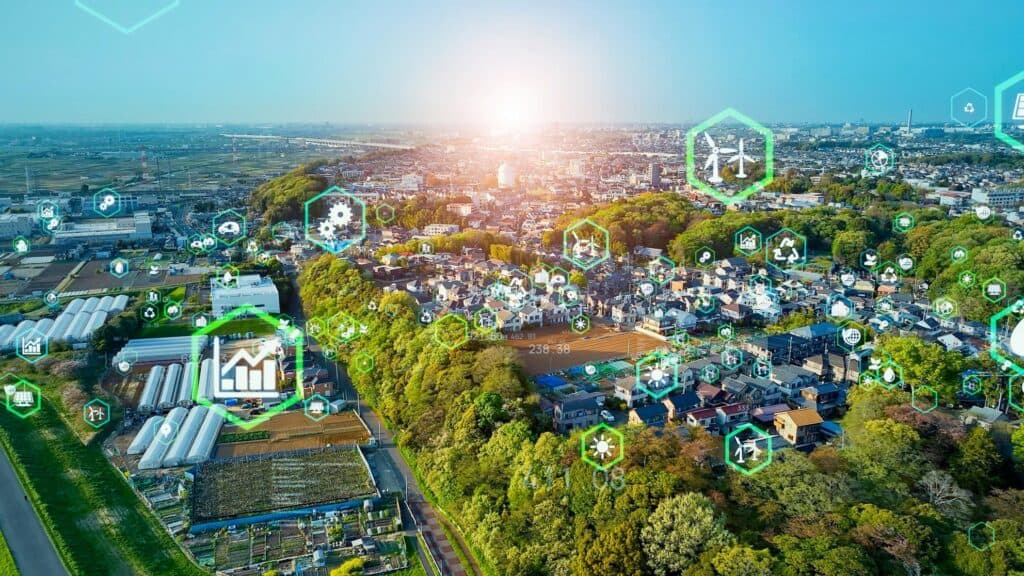
Developing a new energy technology is only half the journey. The other half, often far more challenging, is achieving real market traction. This less visible phase of the innovation process is highlighted by a recent analysis by the International Energy Agency (IEA), based on data from the ETP Clean Energy Technology Guide. This tool tracks the development and maturity of more than 600 energy technologies worldwide.
The tool assesses technologies according to their Technology Readiness Level (TRL), with level 9 indicating commercial availability. However, the innovation process does not end there. The IEA then tracks whether technologies are actually gaining market traction, expanding into other regions and finding wider applications.
Of nearly 400 technologies that had not yet reached the commercial stage in 2020, around 40 % advanced to a higher level of technological readiness over the past five years. By contrast, only one-fifth of technologies that were already commercially available in 2020 (TRL 9) progressed towards wider market uptake. Only around 3 % of all tracked technologies advanced by two maturity levels during this period.
The result is a growing group of technologies that are commercially available but whose deployment remains limited. The IEA now identifies around 115 such solutions, nearly one-fifth of all technologies tracked. Almost 80 of them have been commercially available for more than five years. Around half of these technologies fall within low-emissions hydrogen, carbon capture, utilisation and storage (CCUS), or building energy efficiency and electrification.
Developing a technology is not enough
According to the IEA, the main obstacle is a lack of stable and predictable demand that would translate into long-term offtake agreements. These give manufacturers the certainty needed to invest in expanding production, reducing costs and further technical development.
The barriers vary across sectors. For carbon capture, utilisation and storage (CCUS) technologies or methane emissions reduction, fragmented markets and insufficient economic incentives are holding back wider deployment. In the case of low-emissions hydrogen or advanced biofuels, demand remains uncertain, although experience from the energy crisis has increased interest among some buyers in technologies that can reduce dependence on volatile fossil fuel prices.
In the power sector, meanwhile, grid regulation often favours long-established solutions over new technologies for security reasons. In building renovations, a barrier is the misaligned incentives of owners and tenants – the owner often bears the modernisation costs, while the financial benefits flow mainly to the building's users.
Yet the period after a technology is launched on the market is crucial to its future. This is when further technical improvements take place, production becomes cheaper, customer confidence grows and supply chains are gradually established.
Lithium-ion batteries as an example of success
The IEA cites lithium-ion batteries as an example of successful commercialisation. Their rapid development was supported by clearly defined policy support for electric mobility, which created a stable market environment for manufacturers. This was followed by a cycle of growing production, falling costs and further technological progress.
From 2020 to 2023, the share of battery technologies in energy patents doubled, while the number of tracked battery chemistries nearly tripled. At the same time, charging infrastructure, electricity grid upgrades and new services using battery storage also developed.
How to remove commercialisation barriers
The IEA therefore recommends that, alongside support for research and development, governments do more to foster stable demand for new technologies. Public procurement, capacity payments, tax incentives and other mechanisms that reduce the investment risk of first projects and provide manufacturers with certainty of demand can help.
Not every innovation will ultimately find a place in the market. However, according to the IEA, many promising technologies may fail not because of technical shortcomings, but because they do not receive sufficient demand and an appropriate market environment. The ability to bridge the period between commercial availability and mass deployment may therefore determine which technologies genuinely contribute to the decarbonisation of the energy sector.
Translation disclaimer
This article is a machine translation of the Czech original and has not yet been fully reviewed. In case of any doubt, please refer to the Czech version.
Sdílejte článek prostřednictvím:
You might also like
23 October 2026, 11:01

23 October 2026, 06:34