
23 October 2026, 14:38
Loading...
Innovation in practice: digital twins in Czechia will bring savings and efficiency
Klára Čeperová
7 August 2024, 13:16
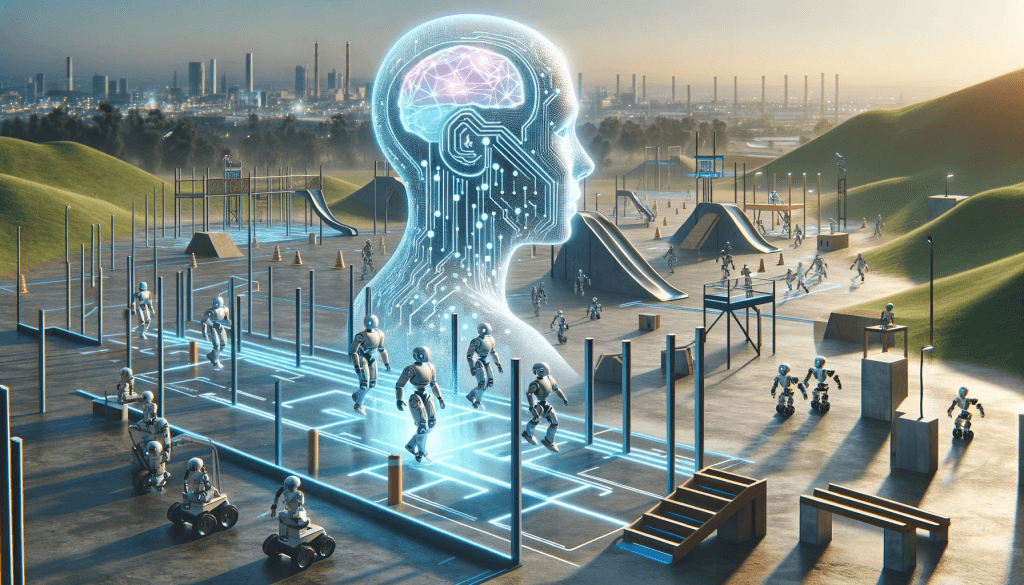
Local digital twins are virtual mock-ups of a city and all the activities, processes and systems that exist in the real world. At the same time, using data analysis and machine learning, such a mock-up can simulate all these activities in real time and update and change them as their physical counterparts change.
Smart cities are now an established concept. They are cities that use digital, information and communication technologies to make more efficient use of their infrastructure and reduce energy consumption.
One of the tools municipalities are implementing to achieve this goal is the local digital twin. Simulations of activities taking place in a city help optimise planning, operations, finances and decisions on reducing emissions in large and complex construction projects and buildings.
Facilitating development and planning
Citizens can then benefit from significant cost savings, increased productivity and reduced carbon emissions across the city. From a city management perspective, a digitalised model can make planning easier, for example, for the operation and maintenance of public transport, the care of municipal buildings or the city’s development.
Cities such as Sydney and Singapore are already using these systems, while some cities are also being built from scratch using a digital twin.
Cities in the Czech Republic are also applying the smart city concept, and creating a digital twin of Prague, for example, has been a long-term objective for the city.
"The city’s residents themselves are an integral part of the city and the processes that take place within it. How people move around Prague and how they spend their time there is crucial information for planning transport, public amenities and other city functions. Today’s advanced technologies offer ways to simulate population behaviour without having to collect data on individuals, which is neither possible nor useful," says Geoportál Praha.
The emerging digital twin of Prague is intended primarily to provide an environment for bringing information together, expanding Prague’s data base so that advanced technological solutions can be used to improve the city’s planning and operations.
Big cities first
When designing a digital twin, it is important to address the availability and quality of data related to activities carried out in the city, such as those within the transport network. At the same time, a solid technical foundation must be built to ensure the platform works well. This means using the Internet of Things, cloud computing, artificial intelligence, 5G networks and big data analysis.
According to Intellara Consulting, the adoption of digital twins is gaining momentum in Europe as local governments increasingly recognise the transformative potential of these technologies to improve the urban environment.
Large cities use some form of this technology disproportionately often, even though local digital twins are designed to vary in maturity and capabilities to help smaller cities implement them. This reflects a wider digital divide across the continent and points to a number of common challenges.
"When embarking on digital transformation, European cities often face the strategic challenge of how to effectively integrate local digital twins into their digital transformation journey," they write in their article on Euractiv.
Financial support
Investment by municipalities is also essential. The Digital Europe Programme (DIGITAL) is intended to help, providing strategic funding to address these challenges and supporting projects in areas such as supercomputers, artificial intelligence, cybersecurity, advanced digital skills and the widespread use of digital technologies.
With a total budget of more than 7.9 billion euros, the DIGITAL programme focuses on the digital transformation of European society and the economy, in line with the EU objectives set out in the communication Digital Compass 2030: The European way for the Digital Decade and in the policy programme The Path to the Digital Decade.
Translation disclaimer
This article is a machine translation of the Czech original and has not yet been fully reviewed. In case of any doubt, please refer to the Czech version.
Sdílejte článek prostřednictvím:
You might also like


23 October 2026, 11:01


23 October 2026, 06:34