
23 October 2026, 14:38
Loading...
After support expires, will wind farms remain profitable and continue generating?

Martin Voříšek
17 October 2017, 10:36
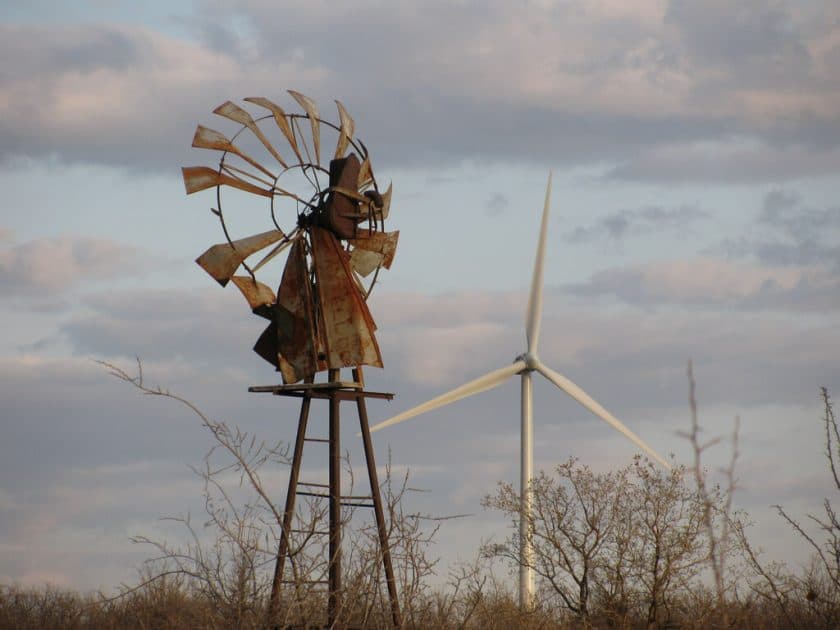
Most German wind farms whose support expires after 2020 will no longer be economically viable to operate. This follows from an analysis by the Energy Brainpool think tank, which examined the possibility of operating wind farms after the end of their 20-year support period.
Further question marks have emerged over the German energy sector after 2022 following the publication of the Energy Brainpool think tank's analysis. The published study results show that only a minority of wind farms will remain economically profitable after losing their guaranteed support.
As the law introducing support for renewables came into force in 2000, the first wind farms will see their support expire at the end of 2020. These are not insignificant volumes of installed capacity: during the first three years in which the law was in force, more than 2 GW of wind capacity was installed annually on average.
{„country“:“GER“,“type“:“AREA“,“from“:“2017-09-30″,“to“:“2017-10-16″,“caption“:“Electricity generation in Germany over the past month“,“url“:“https://energodock.cz/energodock/get_online_generation_data.php“,“source“:“shortcode“,“start_date“:“2017-09-30″,“end_date“:“2017-10-16″}
Operators also have limited options with regard to repowering (replacing older wind farms with new ones), as they must now take part in auctions. Naturally, increased competition means lower support and a worse chance of succeeding.
According to the study, wind farms with medium or high operating costs would stand a chance only in the event of a significant increase in electricity prices. This could be achieved, for example, through a higher price imposed on CO2 emissions, which Germany could introduce independently or by relying on European market reform and rising prices of European emission allowances.
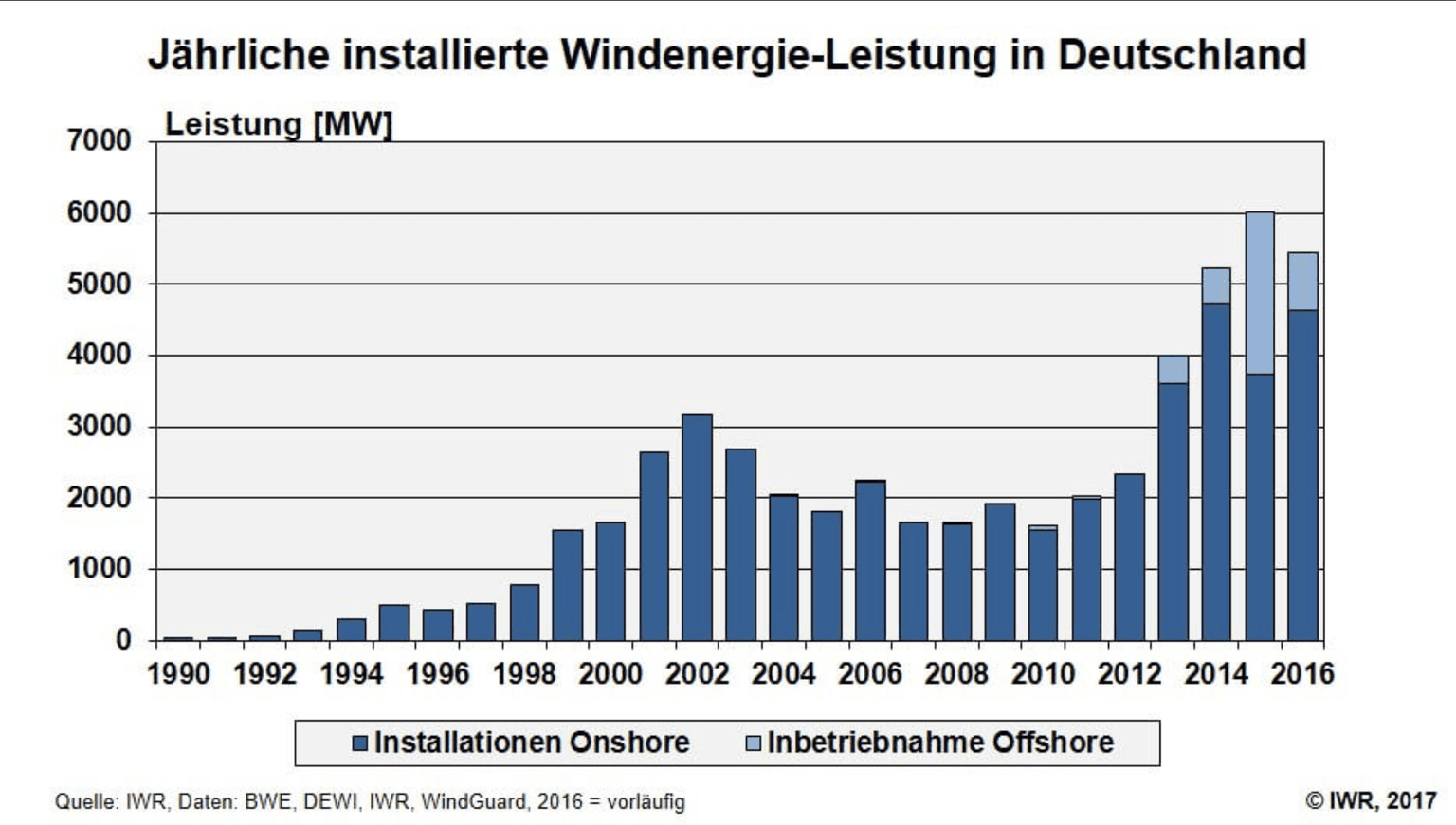
This is particularly important because the government already wants to limit the annual addition of wind capacity to 2.8 GW per year. If we assume that most wind farms cease to be profitable and their operators disconnect them from the grid, net additions after 2020 will be very low.
The profitability of wind farms after support expires is also crucial in terms of the nuclear phase-out, as wind farms are intended by the government to be one of the main replacements for nuclear power plants that are being gradually shut down. After 2020, therefore, not only Germany's move away from nuclear power but also a significantly lower net increase in installed wind capacity can be expected, which was very likely not the intention.
Source: Flickr @CopperCatStudios
Translation disclaimer
This article is a machine translation of the Czech original and has not yet been fully reviewed. In case of any doubt, please refer to the Czech version.
Sdílejte článek prostřednictvím:
You might also like
23 October 2026, 11:01

23 October 2026, 06:34