
14 October 2026, 09:58
Loading...
Hornsea 4 project cancelled: Are British clean energy dreams being shaken to their foundations?

Libor Láník
11 May 2025, 08:28
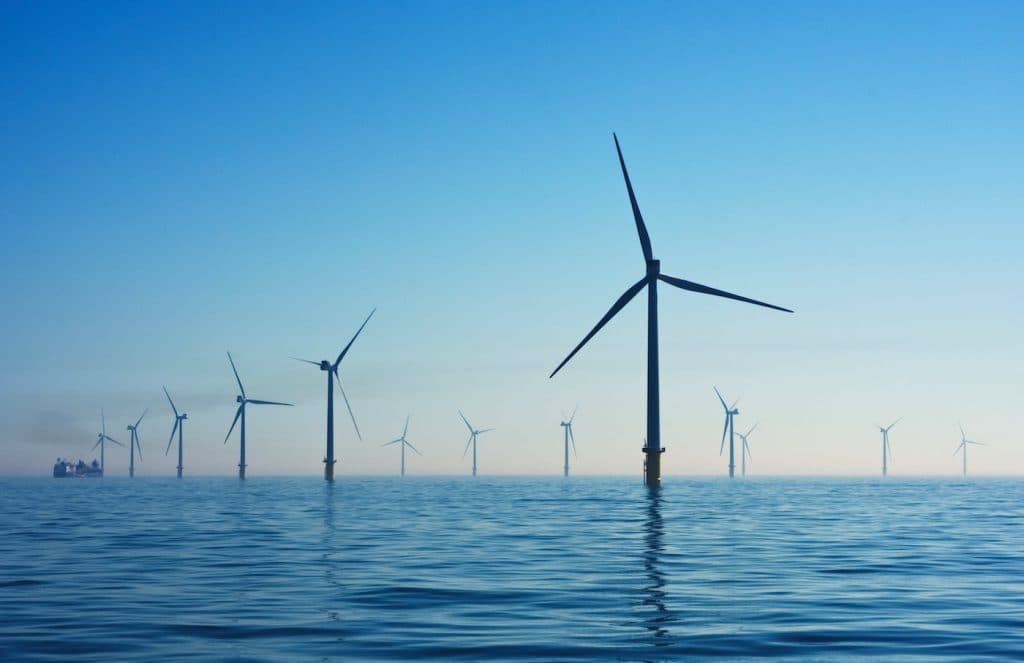
“Labour’s 2030 clean energy deadline is facing headwinds,” The Guardian wrote in response to the cancellation of the Hornsea 4 project. This is a major setback for Britain’s ambitious renewable energy plans, particularly offshore wind, putting an already tight schedule under even greater pressure.
When the National Energy System Operator (NESO) published an independent analysis last November of possible pathways to achieving the ambitious Clean Power 2030 target (CP2030), it described the plan as exceptionally challenging. In its words, it “pushes the boundaries of what is achievable”, while adding that “there is still some flexibility at the margins.” That flexibility is now facing a stern test.
Offshore wind farms as the backbone of decarbonisation
According to NESO, offshore wind is the backbone of the entire plan. The United Kingdom has ideal geographic and climatic conditions – access to extensive offshore sites and steady winds – making it one of the world’s leaders in this field. NESO’s position is clear: if the country is to generate electricity without emissions by the end of the decade, it must rely primarily on wind farms in the North Sea.
The analysis estimates that, to meet the CP2030 scenario, installed offshore wind capacity will need to rise to 43 to 50 GW by 2030 – more than three times the current 15 GW. That means building an additional 28 to 35 GW in just five years. Although the project pipeline currently includes up to 54 GW of potential capacity, NESO warns that even reaching the lower end of this range will be exceptionally challenging.
The challenges are not just technical
The reality of the Hornsea 4 project, cancelled despite high expectations, shows that the challenges are not only technical but also financial, regulatory and logistical. More than a third of planned capacity is still at the preliminary planning or early development stage and is unlikely to enter operation before 2030. NESO therefore stresses that the pace of contracting and construction must be “unprecedented”, even compared with the record-breaking 2022 auction round, when 7 GW was awarded.
CP2030 therefore remains an ambitious beacon for the United Kingdom, but current developments in offshore projects show how fragile its delivery could be. The plan rests on technically feasible foundations, but achieving it will require unprecedented political will, rapid bureaucracy, massive investment and cooperation between the government, developers and local communities. If key elements do not begin moving at the necessary pace in the coming months, CP2030 may remain more of a vision than a reality.
Translation disclaimer
This article is a machine translation of the Czech original and has not yet been fully reviewed. In case of any doubt, please refer to the Czech version.
Sdílejte článek prostřednictvím:
You might also like

13 October 2026, 20:19
13 October 2026, 16:07
13 October 2026, 15:54