
23 October 2026, 14:38
Loading...
Willingness to pay for offshore wind sites falls as German auction revenues slump

Eduard Majling
15 August 2024, 06:17
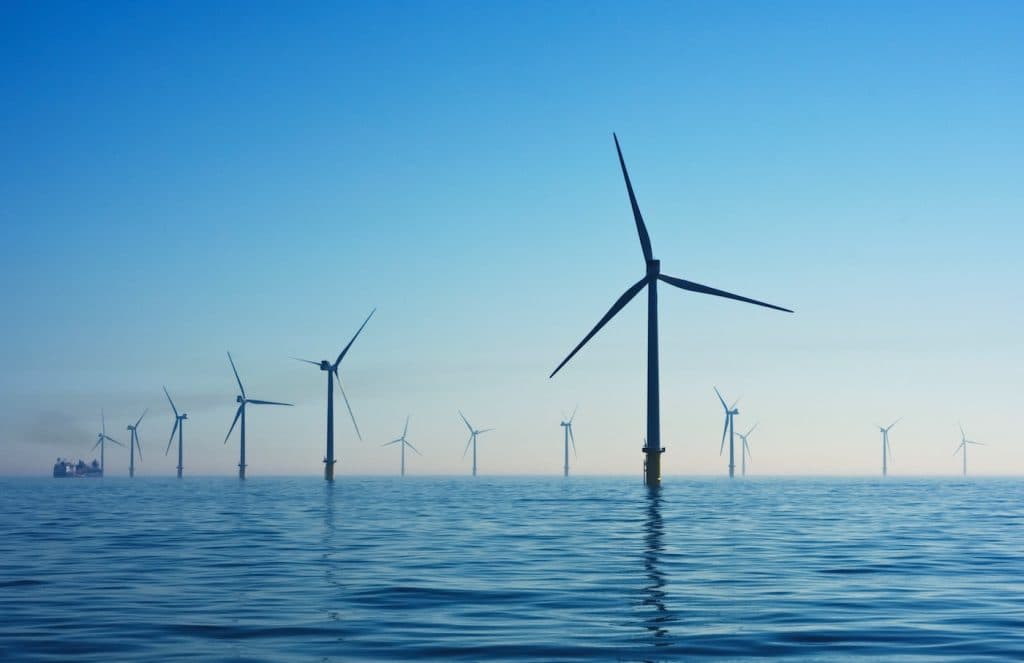
Germany has changed its offshore wind auction model in recent years, with developers now paying rather than competing for support. Last year’s auctions raised expectations that investors would pay billions of euros for the sites they won. This year, however, the situation is reversing. The latest auction came as a surprise, with the winning investor set to pay just a few hundred million euros for sites for parks with a total capacity of 4 GW.
Germany has held its two offshore wind auctions for this year, in which developers bid for sites on which to build their projects. The first auction, held in early June, offered sites in the North Sea with the potential for 2.5 GW of capacity. The first round of the year was still relatively successful, with developers set to pay 3 billion euros for the right to build and operate the wind farms. However, the average price per awarded gigawatt of capacity stood at 1.8 billion euros last year, according to the regulator, half as much again.
In return for these payments, developers will receive the right to connect to the grid, which is provided by the transmission system operator. The payments, meanwhile, are set to benefit mainly German electricity consumers, as they will be used to lower prices. The wind farm operators will make these payments gradually once the projects are commissioned. The two wind farms from the first round this year, one with an installed capacity of 1 GW and the other 1.5 GW, are expected to begin operating by 2031. One-tenth of the winning bids will go toward environmental protection, with developers required to pay these funds to the state within one year.
The second round appears to have fared considerably worse
The second round this year offered three sites that had already been surveyed by a government agency, including for their wind potential. Together, they should provide space for offshore wind farms with an installed capacity of 5.5 GW.
In this case, however, the German network regulator did not disclose the winning bids. German company RWE, which won two of the three sites, each intended for parks with an installed capacity of 2 GW, announced the prices itself. According to the company’s press release, it is set to pay just 250 million euros for them, a fraction of the price in previous rounds. The final site was secured by Waterekke Energy, which did not disclose the price.
It is still uncertain whether these wind farms will be built. RWE itself says that investment decisions are not expected until 2027 and 2028. Construction of the parks should then begin within two years, with operations expected to start in 2031 and 2032.
According to Stefan Thimm, director of the industry association BWO, these wind farms could have relatively low capacity factors. This can happen when wind farms are too close to one another and one reduces the wind reaching the other. This risk may also have contributed to the sharp drop in winning bids compared with previous rounds.
Translation disclaimer
This article is a machine translation of the Czech original and has not yet been fully reviewed. In case of any doubt, please refer to the Czech version.
Sdílejte článek prostřednictvím:
You might also like


23 October 2026, 11:01


23 October 2026, 06:34