China to ban electronic car door handles after fatal accidents

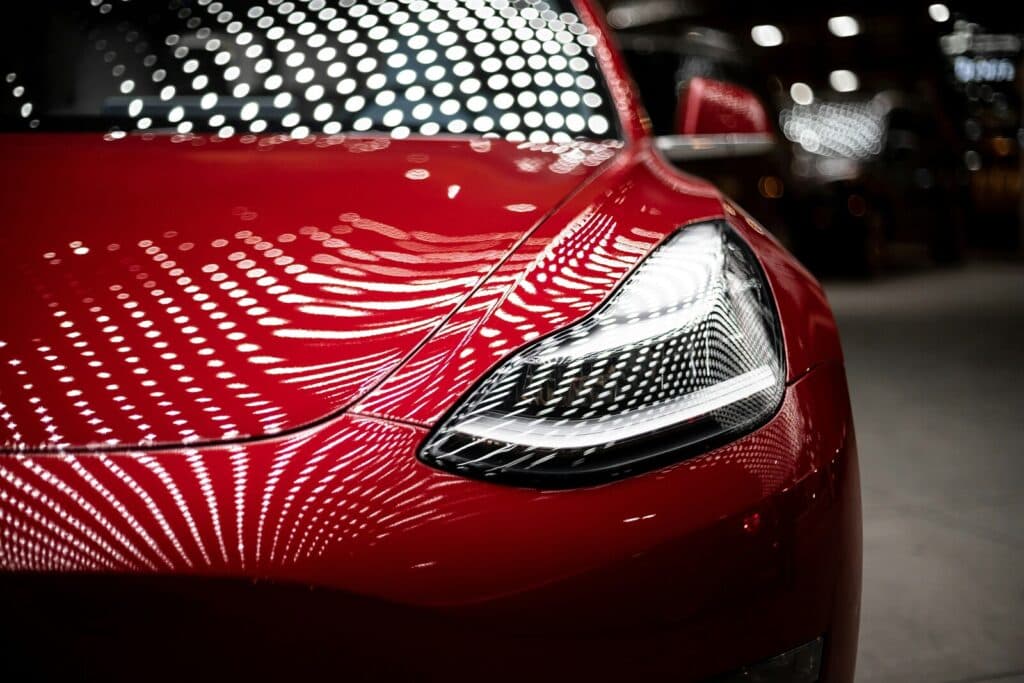
China will become the first country to ban hidden door handles on electric vehicles. The move is being made for safety reasons following a series of fatal accidents in which electronic car door handles stopped working after a crash.
As reported by The Guardian, the measure targets a sleek design feature first popularised by Tesla. Other carmakers subsequently began adopting it, particularly for electric vehicles. Under new regulations announced by China's Ministry of Industry and Information Technology, all cars sold in the country will have to feature mechanical door releases on both the inside and outside of every door, except the boot.
The rules, which take effect on 1 January 2027, aim to “improve the safety of automotive design” by ensuring that doors can still be opened in the event of a power failure.
Modern design, lower aerodynamic drag
Flush, retractable door handles first appeared on the Tesla Model S in 2012 and have since become a hallmark of the modern electric vehicle aesthetic. By sitting flush with the bodywork and activating the lock electronically, the handles slightly reduce aerodynamic drag and improve efficiency.
However, their reliance on electrical systems has raised safety concerns in the event that vehicles lose power in a collision. The design is particularly widespread in China, where, according to state media, it features on around 60% of the 100 best-selling new energy vehicles (a category that includes both battery electric and hybrid cars). The forthcoming ban will therefore force the domestic automotive industry to make extensive design changes.
While new models launched after the deadline must comply with the regulations immediately, vehicles that have already been approved and are due to go on sale soon will have two years to update their designs.
Fatal accidents draw widespread media attention
Safety concerns have intensified following several high-profile cases. For example, a Xiaomi electric sedan was involved in a fatal crash in Chengdu last October, and bystanders were unable to open its doors before the car caught fire. Internationally, Tesla is also facing a lawsuit in the US over a 2024 Cybertruck crash in which a power failure allegedly trapped passengers inside the burning vehicle, resulting in three deaths.
As the world's largest electric vehicle market, China's regulatory decisions have global significance. With Chinese manufacturers such as BYD rapidly expanding overseas and overtaking Tesla in global electric vehicle sales last year, the ban could influence vehicle safety standards and design far beyond China's borders.
Translation disclaimer
This article is a machine translation of the Czech original and has not yet been fully reviewed. In case of any doubt, please refer to the Czech version.




