EU debates the fate of emissions allowances: reform or suspension?

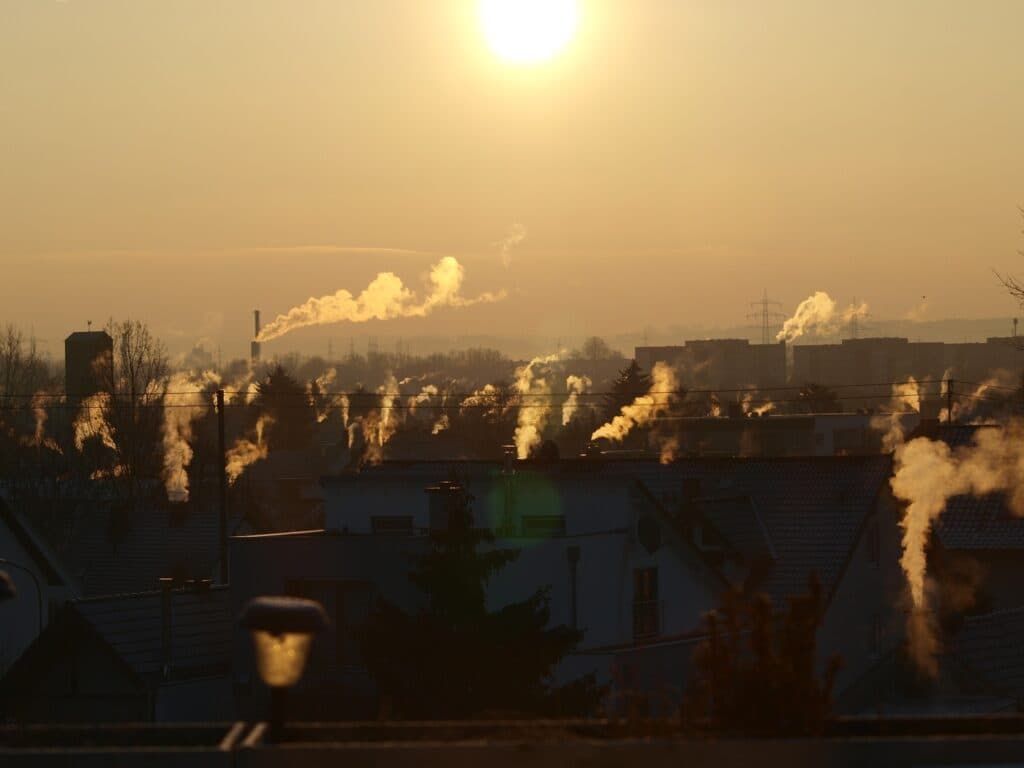
The future of the EU emissions trading market is becoming a central topic in debates on European climate and industrial policy. But its future remains uncertain.
The EU ETS has recently come under heavy criticism, including from Czech representatives. As reported by Clean Energy Wire, some environmental organisations and member states are sounding the alarm and calling on EU leaders to protect the system. They say it is not only a cornerstone of emissions reduction, but also of building competitiveness in clean technologies.
The European Union Emissions Trading System (EU ETS), which requires polluters to pay for every tonne of CO₂ emitted, has been a cornerstone of EU climate action for almost two decades. Non-governmental organisations such as WWF and Climate Action Network Europe now argue that weakening the system would undermine investment certainty and slow Europe's transition to sustainable industries. They stress that a stable carbon price is essential for companies' long-term decisions and, more broadly, for keeping Europe attractive for clean industry projects.
Pressure from non-governmental organisations comes ahead of a key meeting of EU leaders in Brussels, where competitiveness and growing energy concerns linked to geopolitical tensions, including those involving Iran, are expected to dominate the discussion. No formal legislative decisions are expected at the summit, but leaders could set the tone for upcoming reforms to the ETS, which is due for a mandatory review this year.
Pressure for changes to the system is mounting
Countries such as Italy and Czechia are calling for a temporary suspension of the system, citing concerns about energy prices and industrial competitiveness. At the same time, a coalition of member states—including Denmark, Finland, Spain, Portugal and Sweden—is warning that weakening carbon prices would undermine investor confidence and put green technology innovation at a disadvantage. They are also concerned about distorting competition within the EU.
The main point of contention is the system's long-term trajectory. Under current rules, the ETS emissions cap is set to reach zero around 2039. The issuance of allowances would therefore effectively end that year.
Critics, including policymakers and industry representatives, argue that fully decarbonising sectors such as steel, cement and aviation by that date is unrealistic. Commission President von der Leyen has acknowledged these concerns and suggested that reforms will focus on defining a more practical emissions reduction pathway beyond 2030.
Translation disclaimer
This article is a machine translation of the Czech original and has not yet been fully reviewed. In case of any doubt, please refer to the Czech version.




