EU’s ongoing fight against greenwashing: Airlines must substantiate their environmental claims

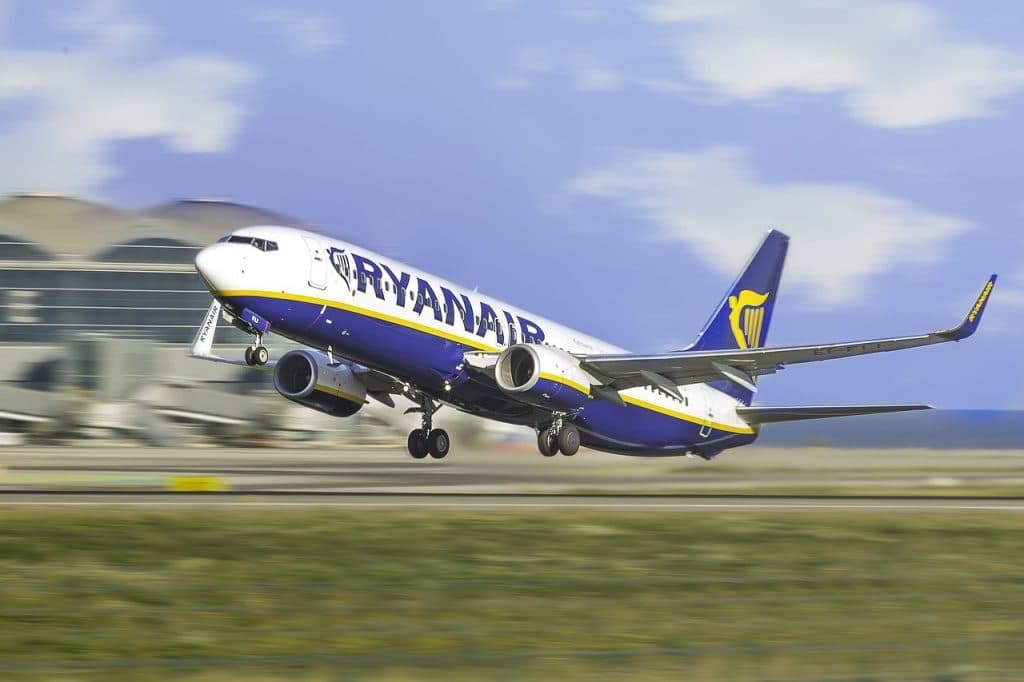
European airlines and the EU have agreed on new rules for environmental claims. The agreement follows a series of controversies in which some airlines overstated the environmental and climate impact of their measures.
The EU said its aim was to curb the growing use of vague or unsubstantiated environmental claims in airline marketing. It has now agreed with companies on clearer rules for so-called environmental claims, as reported by ESGNews.
Some of Europe’s largest airlines, including Air France, KLM, Lufthansa, easyJet, Ryanair, SWISS and TAP Air Portugal, are part of the agreement. Companies should no longer promote specific flights as “carbon neutral” or claim that passengers’ voluntary contributions through offsetting can fully neutralise emissions from flights.
Another part of the agreement requires any reference to “sustainable aviation fuel” or a company’s future climate targets to include additional information and context, so customers are fully informed about the impact of these measures. Companies may promote measures that are clearly measurable and publish transparent methodologies for calculating emissions and offsets.
The initiative was prompted by findings from the European Consumer Organisation and national consumer protection authorities that many airline marketing practices breach the EU’s Unfair Commercial Practices Directive. Under the European Commission’s Consumer Protection Cooperation Network, the agreement provides for monitoring by national regulators and gives them the power to enforce compliance with these rules.
The agreement also reflects broader changes in how sustainability communications are understood and scrutinised. European legislation and courts are working to establish a new norm: it is no longer enough to announce general aspirations or pay for offsets while continuing to emit. Airlines will have to align their marketing with tangible progress—for example, trends in fuel procurement or fleet efficiency.
For investors and consumers, the move signals that greenwashing risks are growing, while the EU is also strengthening its tools to address them. Companies that rely on vague or forward-looking sustainability claims may face reputational and regulatory risks.
Although the rules on environmental claims currently apply across the EU single market, some expect other jurisdictions to eventually adopt similar measures. This is especially likely given that aviation contributes approximately 2–4% of global greenhouse gas emissions.
Translation disclaimer
This article is a machine translation of the Czech original and has not yet been fully reviewed. In case of any doubt, please refer to the Czech version.