European electricity set records in 2023

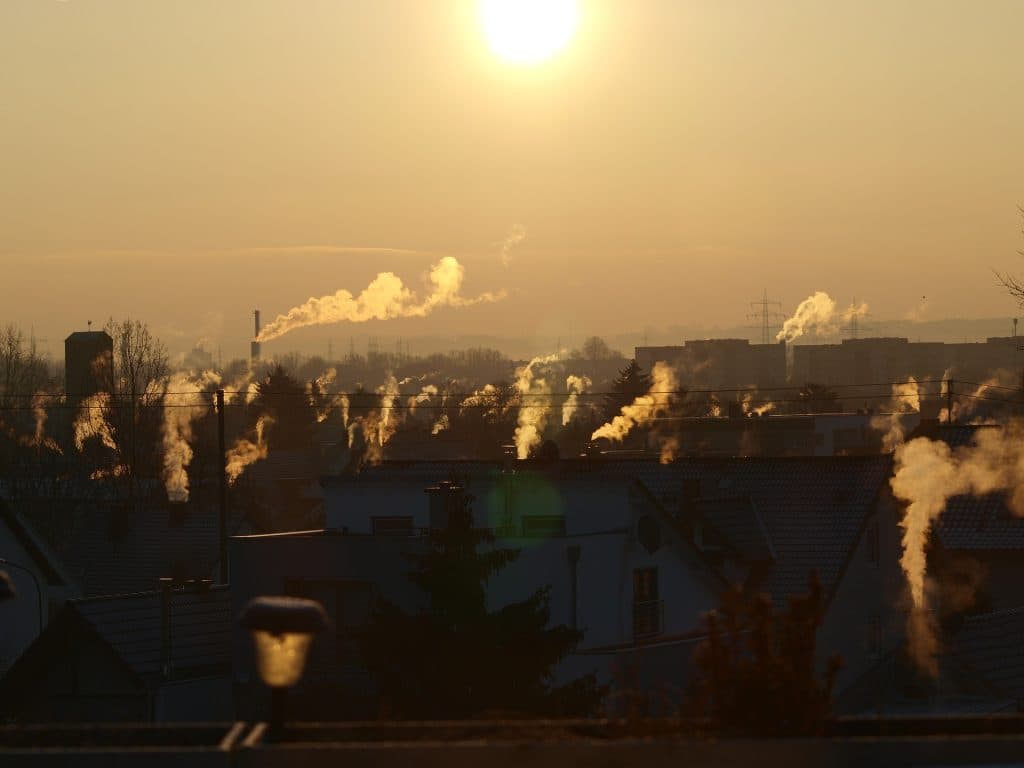
Electricity generation in the European Union had never been "cleaner". Record declines in coal and natural gas meant that 2023 saw the largest drop in power-sector emissions to date. At the same time, the share of renewables reached a new high. Wind power also broke records, surpassing natural gas-fired electricity generation for the first time. These are the findings of the annual report by independent energy think tank Ember.
In 2023, low-emission sources generated more than twice as much electricity as fossil fuels, largely due to a renewed rise in output from hydropower and nuclear power. Wind and solar power plants also contributed, accounting for 27% of the European electricity mix.
The gradual decline of coal mining is nothing new, and a number of coal-fired power plants are nearing the end of their service lives as early as 2024. In Germany alone, coal-fired power plants with more than 10 GW of installed capacity are due to stop generating electricity. Italy plans to begin the final phase of its coal phase-out, with power plants totaling 1 GW of installed capacity. Slovakia is preparing to close its last coal-fired power plant, Vojany. In Austria, there was talk of restarting the coal-fired power plant at Mellach, but the heavy financial burden on taxpayers scuppered the plan.
Alongside the growth of renewables, falling electricity demand also contributed to the decline in fossil-fuel power generation. Demand fell by 3.4% (-94 TWh) in 2023 compared with 2022 and was 6.4% (-186 TWh) lower than in 2021, when the energy crisis began. This trend is unlikely to continue. With electrification on the rise, demand is not expected to fall at this rate in the coming years. To reduce fossil-fuel use quickly enough to meet the EU's climate targets, renewables will need to keep pace with rising demand.

Four key takeaways from 2023
The first is that fossil-fuel power generation fell by a record 19% (-209 TWh), accounting for less than a third of the EU electricity mix for the first time in history. Coal generation fell by 26% (-116 TWh) to a historic low of 333 TWh, accounting for just 12% of total EU electricity generation in 2023.
Over the past 7 years, coal-fired power generation has halved. Although the closure of coal-fired power plants slowed during the energy crisis, coal's structural decline is still under way. Importantly, the shift away from coal did not lead to an increase in natural gas-fired power generation. This fell by 15% (-82 TWh) to 452 TWh, the largest annual drop since at least 1990. It was the fourth year in a row that natural gas-fired power generation declined. In 2023, gas accounted for just under 17% of total electricity generation.
The second takeaway is that CO2 emissions from electricity generation fell by a record 19% (157 million tonnes of carbon dioxide equivalent), surpassing the previous largest annual drop of 13% in 2020, which was linked to the Covid-19 pandemic. Emissions from the power sector have now fallen by almost half (-46%) from their 2007 peak. The huge increase in wind and solar power was the main driver of the decline, while lower electricity demand also played a significant role. The largest drop came from reduced industrial electricity consumption.
It is also worth noting that we are seeing the steepest rise in wind power to date, with output up by 55 TWh (+13%). Wind grew so rapidly that it surpassed natural gas-fired power generation for the first time. Total wind power generation reached 475 TWh, equivalent to France's total electricity demand. Wind also surpassed coal-fired generation (333 TWh) for the second time. This first happened in 2020, when the Covid-19 pandemic sharply reduced electricity demand. In 2023, an additional 1 GW of wind capacity was installed compared with 2022, when 16 GW was added. However, for the EU to meet its climate targets, the annual rate of deployment will need to nearly double to more than 30 GW by 2030.
The final takeaway is that, for the first time, a quarter of electricity in 2023 came from wind and solar power. By comparison, the share was 23% in 2022. Generation from these sources rose by a record 90 TWh, and installed capacity increased by 73 GW. Solar continued its strong growth, with an additional 56 GW of capacity added in 2023, compared with 41 GW in 2022. However, solar power generation did not match the year-on-year increase recorded in 2022 (+48 TWh), rising by 36 TWh in 2023.
Translation disclaimer
This article is a machine translation of the Czech original and has not yet been fully reviewed. In case of any doubt, please refer to the Czech version.