IMO postpones decision on regulating fossil fuels in shipping
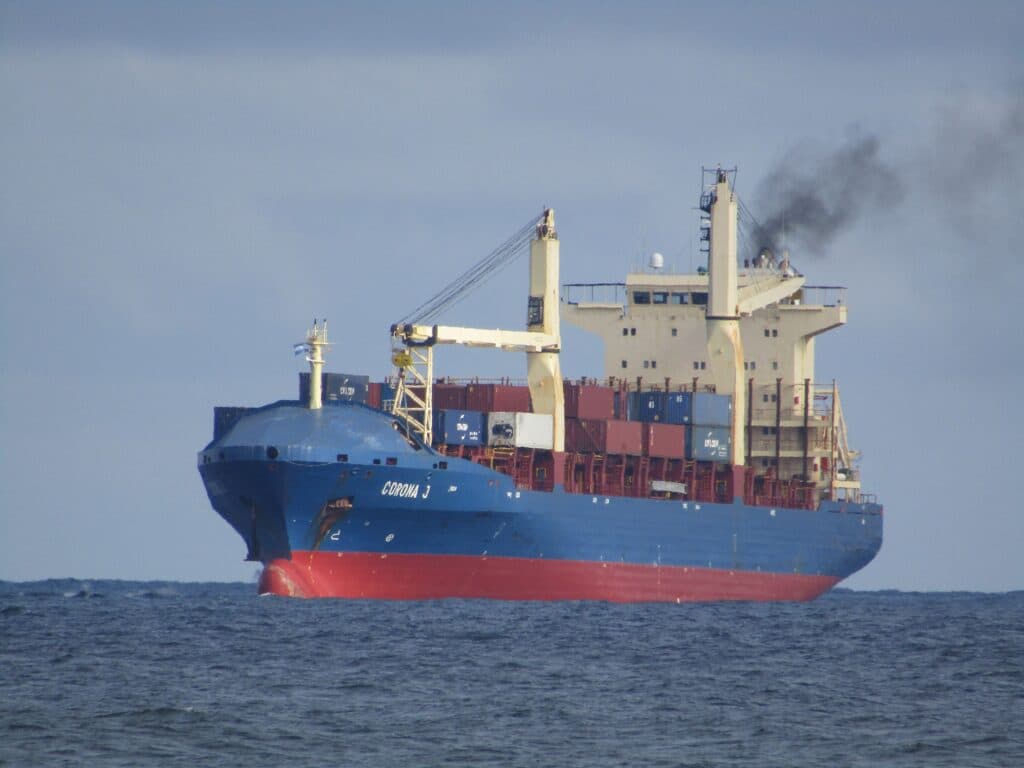
The International Maritime Organization (IMO) discussed adopting the so-called Net-zero Framework in October 2025. It would be the first globally binding system to regulate greenhouse gas emissions from shipping. Shipping accounts for approximately 90% of global trade and produces around 3% of global CO₂ emissions. The meeting resulted in adoption of the Net-zero Framework being postponed by one year.
Regulation with the ambition to transform global trade
Most ships still use heavy fuel oil, one of the most carbon-intensive fossil fuels in terms of CO₂ emissions. The proposed IMO framework therefore sets out a gradual reduction in the permitted carbon intensity of fuels. The pricing mechanism under discussion was intended to incentivize shipping companies to switch to cleaner alternatives.
The proposed framework was to introduce a pricing mechanism: a charge of 380 dollars per tonne of CO₂ emissions above a set limit, plus 100 dollars for failing to meet stricter emissions targets. Ships with lower emissions would earn credits that they could sell to ships with more emissions-intensive operations. Estimates put the annual revenue at 11 to 13 billion dollars, which would flow into an IMO fund to support clean technologies and developing countries. The framework was to apply to ships with gross tonnage above 5000, which account for 85% of international shipping emissions.
Political tensions and economic uncertainty
The talks were marked by fierce political disputes. The United States, Russia and Saudi Arabia expressed opposition to the proposal, warning that a global carbon charge could disrupt trade balances and increase shipping costs. The Trump administration even threatened retaliatory measures against countries that supported the proposal.
The European Union, Japan and most Pacific island states, by contrast, supported the regulation. They consider it an essential step towards achieving carbon neutrality by 2050. As IMO Secretary-General Arsenio Dominguez pointed out, the absence of global regulation would increase the cost of the energy transition in the long term and deepen inequalities between regions.
Member states ultimately decided to postpone adoption of the Net-zero Framework by one year. Fifty-seven states voted for the postponement, 49 against and 21 abstained. Saudi Arabia proposed the delay. IMO Secretary-General Arsenio Dominguez nevertheless stressed that the framework “remains very much alive” and that work on implementation guidelines would continue. The planned entry into force of the framework has therefore been delayed, with the first charges originally due to take effect in 2028.
Questions over fuels and the pace of the transition
Although environmental organizations see the proposal as a major step forward, its design has raised concerns. According to Transport & Environment , the proposal in its current form favors biofuels made from food crops, which can lead to deforestation and higher food prices.
Activists are therefore urging the IMO to focus more on scalable alternatives such as green ammonia or methanol. However, these technologies are not yet financially viable—models suggest they will become competitive only in the 2040s.
The future of maritime transport
The postponement of the Net-zero Framework’s adoption creates uncertainty over how quickly a global carbon charge will be implemented in maritime transport, which is responsible for a significant share of greenhouse gas emissions in the transport sector. Overall, the Net-zero Framework represents a historic, though not yet finalized, step towards regulating carbon emissions from global shipping and signals the direction the industry will take in the coming decades.
Translation disclaimer
This article is a machine translation of the Czech original and has not yet been fully reviewed. In case of any doubt, please refer to the Czech version.




