7 November 2026, 17:23
Loading...
Germany considers extending operation of its coal-fired power plants to reduce gas consumption

David Vobořil
30 October 2023, 16:37

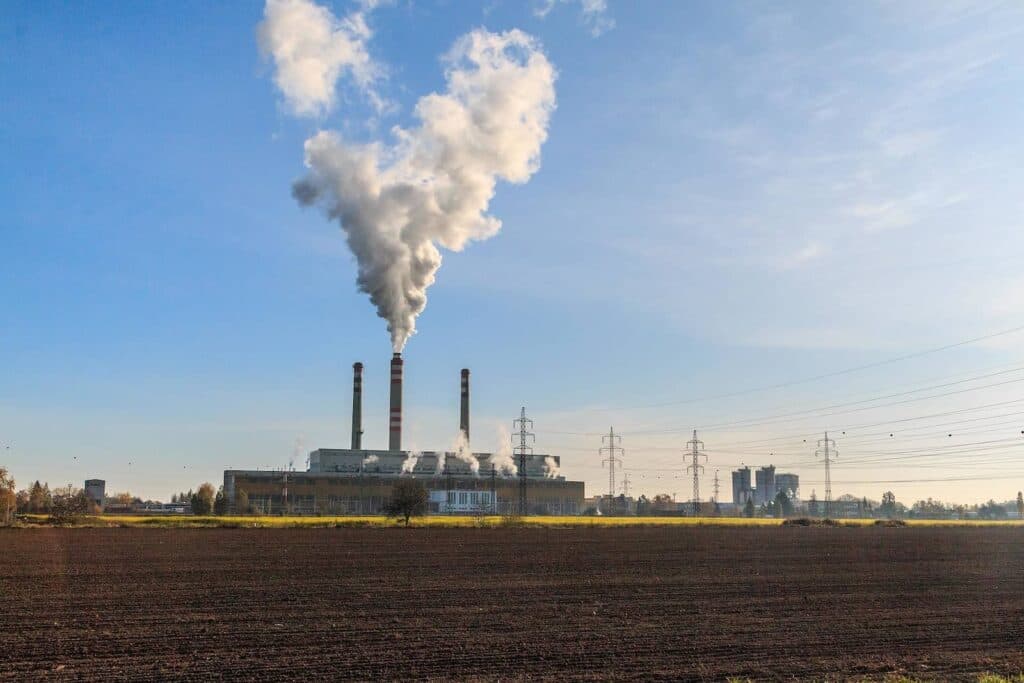
The German government is considering extending the operation of lignite- and hard-coal-fired power plants that were brought back onto the market during the energy crisis. These plants, which would otherwise be taken offline, could therefore remain in operation beyond the currently planned spring 2024 deadline, helping to save gas and ensure security of supply if necessary.
The Ministry for Economic Affairs (BMWK) is currently discussing an extension of the relevant regulation, a spokesperson told Handelsblatt. Analyst Mirko Schlossarczyk of consultancy Enervis said the situation in Germany is much better this year than in 2022 and questioned whether extending the reserve of old coal-fired power plants is necessary.
Representatives of coal-fired power plant operators, such as Steag CEO Andreas Reichel, are calling for a swift decision so preparations can be made, including procuring coal and, if necessary, conducting safety inspections at the plants.
The power plants were brought back onto the market last year
Last year, during the energy crisis, the German government hastily passed a law allowing old coal-fired power plants to help reduce the share of natural gas in electricity generation. Germany had to cut its gas consumption following a reduction in natural gas supplies from Russia. As a result, a total of eleven coal-fired power plants with a capacity of more than six gigawatts have been active on the market since October.
"Electricity generated from coal is currently cheaper than electricity generated from gas. Therefore, under the merit order principle, coal-fired power plants are dispatched before gas-fired plants on the electricity market. Additional coal-fired power plants can therefore push gas-fired power plants out of the market. In return, however, higher CO2 emissions are accepted," Schlossarczyk explains.
Both lignite- and hard-coal-fired power plants are currently allowed to operate on the market until the end of March 2024 at the latest. The return of lignite-fired power plants to the market was originally supposed to be limited to 30 June 2023. However, the German government had already decided to keep these plants in reserve through this winter.
"In the winter of 2022/2023, we would definitely have faced supply problems without additional coal-fired power plants on the market. We need these plants to make up for the shortfall in Russian gas used for electricity generation," Reichel says.
The current situation is better, but risks remain
According to the German regulator (BNetzA), the starting position is significantly better than last year in terms of gas storage levels and gas supplies from other countries via floating LNG terminals and neighbouring countries.
However, BNetzA says it is still too early to draw a definitive conclusion. Extremely cold weather could affect supply. A disruption to Russian gas supplies to south-eastern European countries, which would then need to be supplied via Germany, remains conceivable. The same applies to a partial or complete outage of gas pipelines.
Germany needs a reserve to be prepared for unforeseen events. However, according to analyses by the German government, this reserve will not be large enough by 2027 to replace the loss of significant import volumes from existing sources if necessary.
Overall, however, the electricity market situation is much more relaxed this year despite the shutdown of nuclear power plants, Schlossarczyk emphasises. Electricity and gas consumption have fallen significantly. According to Schlossarczyk, this is primarily the result of substantially lower consumption in industry. In response to last year's shortages, countless businesses switched to different production processes. And because of the poor economic situation this year, they are also now producing less than usual.
Translation disclaimer
This article is a machine translation of the Czech original and has not yet been fully reviewed. In case of any doubt, please refer to the Czech version.
Sdílejte článek prostřednictvím:
You might also like

7 November 2026, 13:37

6 November 2026, 14:13