Analysts: Geopolitics to be key to energy commodity prices in Czechia next year

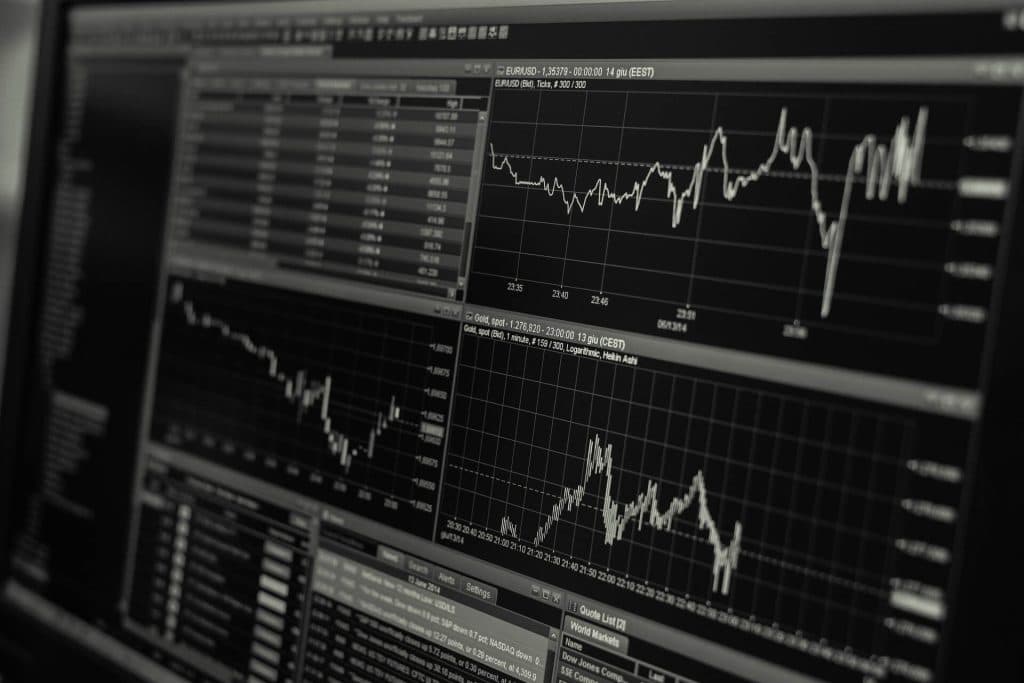
Electricity and natural gas prices are expected to remain stable for the rest of this year and throughout next year, with no significant increases or decreases expected. By contrast, oil prices and fuel prices could continue to rise. That is according to analysts contacted by the Czech News Agency (ČTK). They say that the future course of the geopolitical situation around the world, particularly in the Middle East, will be a key factor in commodity price trends.
According to Jiří Tyleček, an analyst at XTB, the impact of the geopolitical situation on electricity and gas prices was evident in the recent rise in gas prices on the exchange. „However, I do not expect a lasting effect, and gas prices and electricity prices could remain stable next year. The weaker state of the European economy could keep them low, while higher emissions allowance prices could push them up,“ Tyleček said.
He added that customers could also see more favourable offers from suppliers in the coming months, as they gradually purchase cheaper futures contracts on the exchange. „The biggest discounts have already been achieved, however, and I do not expect them to continue at the same scale in the coming months as we have seen so far this year,“ Tyleček added, saying that the time to lock in prices is gradually approaching.
Petr Lajsek, an analyst at Purple Trading, also highlighted the link between natural gas prices and global events. In his view, prices could be driven up in particular by a further escalation of the conflict in the Middle East or by continued strikes by LNG producers in Australia. Unlike on the oil market, however, Europe’s reduced dependence on Russian gas and the level of storage capacity filled will play a positive role, he said.
„Over the course of the year, we expect spot natural gas prices on the exchange to range between 40 and 80 euros (about 1000 to 2000 Kč) per megawatt-hour, well below the government price cap. Consumers therefore do not need to fear a sharp price jump for now,“ Lajsek noted, adding that gas prices also feed through into electricity prices.
„We do not need to fear a rise like the one in 2022. Consumers are unlikely to see a significant price drop, however, as the fall in exchange prices will be offset by the reinstatement of fees for renewable energy sources and distribution charges,“ Lajsek added. In his view, the expected removal of the government price cap at the end of the year should also have no major impact.
Analysts say tensions in the Middle East will have an even more pronounced effect on oil prices for the rest of this year and throughout next year, because the region is crucial to oil production. Lajsek said that a further escalation of the conflict in Israel, or the involvement of other countries, could push Brent crude prices far above 100 dollars per barrel. In that case, however, market forces would gradually come into play: higher prices could lead to increased production and lower consumption, which in turn would push oil prices down.
According to Lajsek, oil prices will also be affected by economic conditions in China and the United States, but production by the OPEC cartel and Russia will be crucial. „There are simply too many variables to forecast oil prices for next year. It is quite possible, however, that we will have to get used to higher oil prices. Given that global oil consumption is expected to rise again next year, I expect the average price of Brent crude in 2024 to be around 90 dollars per barrel,“ Lajsek said.
Tyleček also said that the future course of the conflict in Israel will be crucial for oil prices. „If it spreads, a significant share of global production would be at risk, which would naturally be reflected in a higher risk premium in oil prices,“ he said. In his view, any spread of the conflict could gradually push fuel prices towards the 50-koruna mark. „The main scenario, however, is that the situation will gradually calm down, keeping oil prices in double digits,“ the analyst added.
Translation disclaimer
This article is a machine translation of the Czech original and has not yet been fully reviewed. In case of any doubt, please refer to the Czech version.




