10 September 2026, 15:21
Loading...
InCommodities: Czech energy market looks to next winter with apprehension
Daniel Grecman
28 June 2023, 10:59
As Jesper Johanson, CEO of Danish trading company InCommodities, told international outlet Montel, participants in European energy markets are at the very least cautious about the coming winter season and future developments in electricity and gas prices. Last summer and winter brought previously almost unimaginable commodity price volatility, and some companies, including InCommodities, were able to capitalise on this and increase their profits. Others, by contrast, saw profits decline, and in some cases companies went bankrupt.
Price volatility remains extreme
The price of a baseload electricity contract for delivery next year (Cal-24, base load) is currently trading below 140 EUR/MWh on the Czech market. In August last year, the price of the same contract was above 470 EUR/MWh. However, the market was not liquid at the time, trades were infrequent and prices therefore changed sharply by tens of EUR/MWh even as a result of relatively small trades.
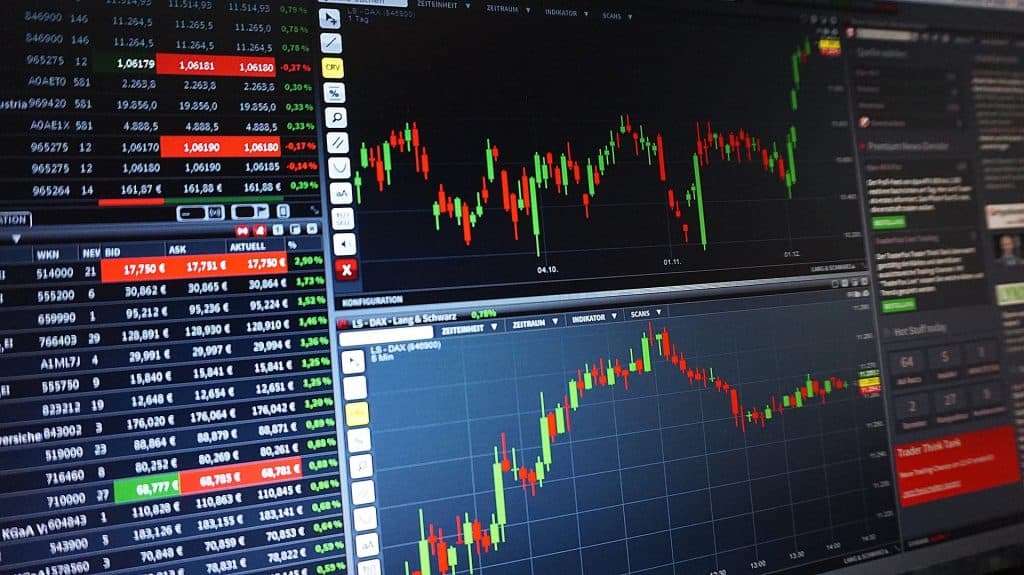
Liquidity is now gradually returning to the market and price volatility is declining, although it remains extreme by historical standards. As can be seen from the chart above, the wholesale electricity price for next year stood at around 120 EUR/MWh at the beginning of June, then jumped above 150 EUR/MWh in mid-June and is now hovering around 140 EUR/MWh.
The market reacts very sensitively to any news concerning energy infrastructure – see the recent extension of outages in Norway. It was in response to this news that prices jumped above the aforementioned 150 EUR/MWh. For traders, this means the possibility of higher profits, but also the possibility of higher losses, as Johanson notes.
Higher risk = higher profits or losses
“We are not generating abnormal profits. This is because we are taking on abnormal risk associated with distributing energy across Europe in order to avoid supply disruptions,” Johanson said, referring to a recent ACER report, which is said to show that increased use of cross-border capacity helped consumers save up to 253 mil. EUR.
InCommodities reported a huge increase in pre-tax profit last year, from 144 mil. EUR recorded in 2021 to 1.4 bn EUR.
“Given the more stable market, we expect profits to decline in 2023,” Johanson said, adding that energy companies paid record-high taxes last year and were among the largest contributors to the Danish state budget.
It should be recalled that far from all energy companies emerged from the energy crisis as winners. German energy giant Uniper had to be rescued by the state in order to weather last year's crisis. In Czechia, the collapse of the Bohemia Energy group, owned by Czech businessman Jiří Písařík, is notoriously well known.
Despite persistently high price volatility and market uncertainty, Johanson believes that the situation seen last year should not be repeated, even in the event of a cold winter, which is good news for end consumers. One of the closely watched indicators is the level of European gas storage facilities, which are already more than 75 % full.
Translation disclaimer
This article is a machine translation of the Czech original and has not yet been fully reviewed. In case of any doubt, please refer to the Czech version.
Sdílejte článek prostřednictvím:
You might also like

10 September 2026, 10:37

9 September 2026, 15:05
9 September 2026, 13:24