Russian shadow fleet: How old European tankers help evade sanctions

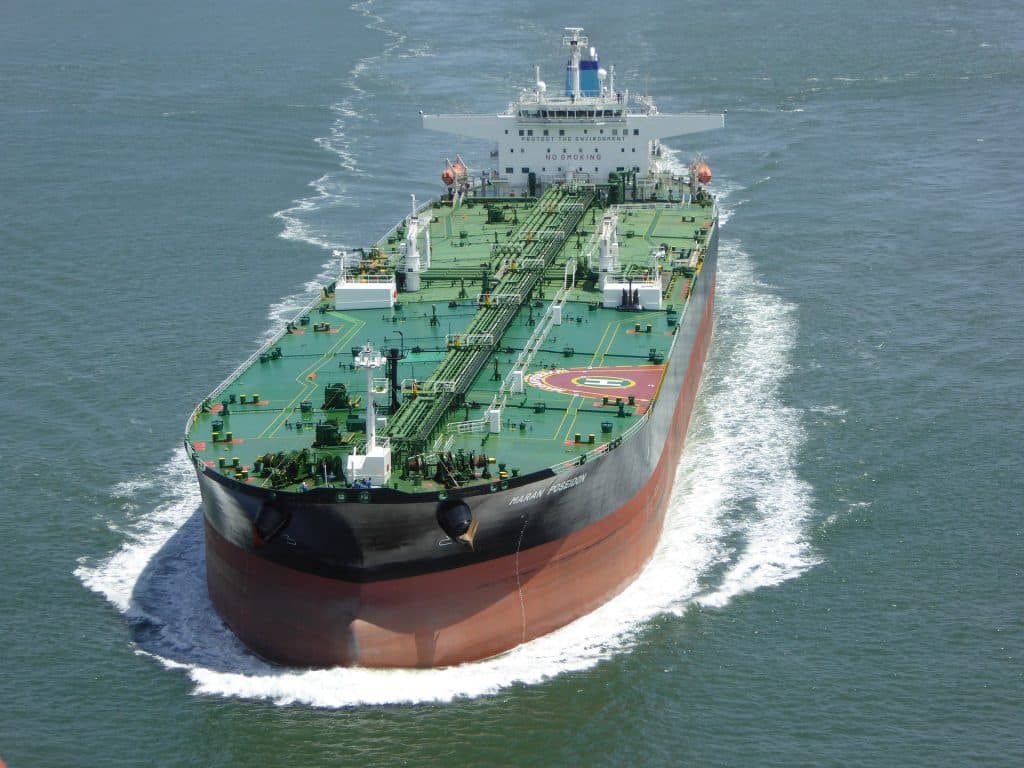
European shipowners pocketed billions of dollars from selling their old tankers, indirectly enabling Russia’s shadow fleet to evade sanctions effectively. These ships now transport Russian oil and help finance the war in Ukraine. The findings were highlighted in an investigation by the Dutch organization Follow the Money (FTM).
It is widely known that “Russian” tankers sail the world’s seas under opaque ownership. That is why the system is known as Russia’s shadow fleet. What is surprising, however, is the number of ships sold and the financial returns generated by their sale. According to FTM, 230 aging tankers were sold in this way, earning their owners more than 6 billion dollars.
Sanctions evasion and security risks
These transactions pose several major risks that undermine Western efforts to limit Russia’s oil revenues. The shadow fleet allows Russia to transport oil above the price cap imposed by Western countries, helping Moscow maintain key revenues despite sanctions. Formally, these tankers are not owned by Russian companies—they are registered to companies in India, the Seychelles, Hong Kong or Vietnam, making them difficult to track.
“Since Russia had previously relied on Western ships and companies to transport its oil, it quickly began looking for tankers that were, or could be, registered in third countries to evade the price cap. And it quickly found willing sellers,” the FTM report says.
Another major concern is the potential misuse of these ships for espionage, for example to map critical infrastructure or even sabotage undersea cables. In addition, many of these tankers are in poor technical condition, increasing the risk of environmental disasters in the event of an accident.
All this is done simply for profit from vessels that would otherwise probably have ended up as scrap. This shows just how thin the ethical line is for investors in this sector. Greek shipowners sold tankers worth nearly 4 billion dollars, while British companies divested 22 ships for a total of 590 million dollars, and German companies earned around 190 million dollars.

Companies respond: “We don’t know what happens to the ships”
In response to the FTM investigation, shipping companies argue that they are not responsible for what buyers do with the tankers.
“We have no insight into what happens to the ships after they are sold, and it is not our responsibility. We have no control over whom the buyer resells the ship to or how they operate it, legally or illegally,” said a spokesperson for the Belgian shipping company Euronav (now CMB.TECH).
The company received 135 million dollars for five ships that ended up in the shadow fleet in 2022 and early 2023.
EU response
Over the past year, Western countries have significantly stepped up efforts to curb the shadow fleet, which allows Russia to evade sanctions and transport oil above the price cap. The European Union, the United States and the United Kingdom have sanctioned hundreds of tankers and restricted their access to their ports and services.
A key measure is targeting ships involved in dangerous practices, such as transferring oil at sea near Greece and Malta. While the US has already sanctioned 235 vessels, the EU has so far focused on 68 tankers, but is planning further measures.
Nevertheless, clear steps to restrict the flow of tankers into the shadow fleet are still lacking. Unless the West ensures stricter oversight of ship sales, Russian companies will continue to build up a fleet that allows them to evade sanctions and generate vital revenues from oil exports.
Translation disclaimer
This article is a machine translation of the Czech original and has not yet been fully reviewed. In case of any doubt, please refer to the Czech version.