
23 October 2026, 11:01
Loading...
British BP's profit fell 97% last year; it plans a major strategy shift

oEnergetice.cz, ČTK
12 February 2025, 16:58
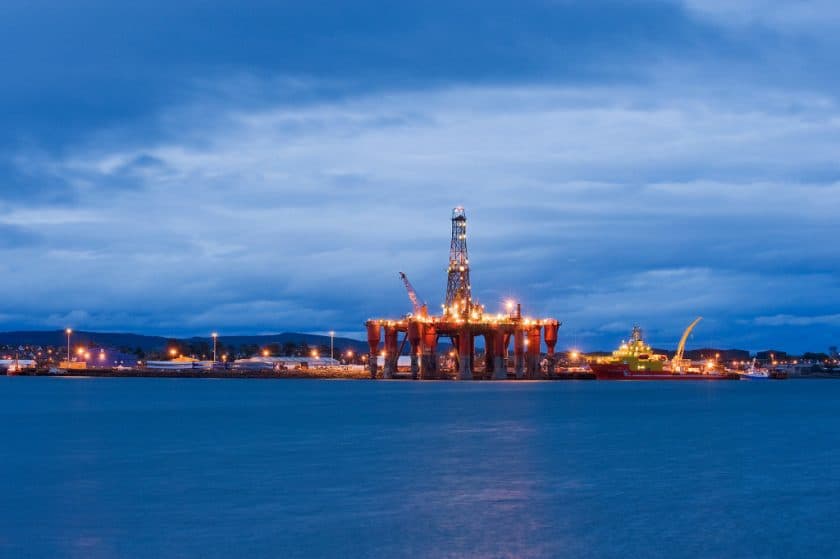
British oil company BP's profit fell 97 percent last year to 381 million USD (9.2 billion CZK). The reasons were weaker refining margins, asset write-downs and adverse accounting effects related to gas prices. The company announced this in a statement today, while also pledging to make a major change to its strategy.
Adjusted profit, excluding the accounting change in the value of inventories, fell 35.6 percent to 8.9 billion USD. This was below the expectations of analysts surveyed by LSEG, who had forecast profit of 9.21 billion USD. Total revenue fell nine percent to 195 billion USD.
„We now plan to make a major change to our strategy and deliver further improvements in performance,“ CEO Murray Auchincloss said.
According to him, BP's new direction will be unveiled at its investor day on 26 February. Since taking the helm at the company more than a year ago, Auchincloss has focused on oil and gas to boost profits and scaled back the group's key climate targets. Last year, BP announced that it would „significantly reduce“ investment in renewable energy by the end of the decade.
Reports emerged this week that US activist investment firm Elliott Investment Management had acquired a significant stake in BP. This drove a sharp rise in the share price on Monday. Elliott is known for pushing for changes at the companies it invests in. This signals that BP faces further upheaval.
The investor day is seen as an important test of the company's future. BP is lagging behind other major oil companies, including rivals Shell, ExxonMobil and Chevron, AFP reported.
BP has already launched a cost-cutting plan aimed at reducing costs by two billion USD. Last month, it cut 4,700 jobs, around five percent of its workforce. The company has also scaled back its climate plans. It has now set a target of reducing carbon dioxide emissions by 20 to 30 percent this decade compared with 2019. It had previously targeted a reduction of 35 to 40 percent. Investors are now speculating that it could abandon its commitment to cut oil production by 25 percent by 2030 compared with 2019 levels.
British rival Shell has also lowered its clean energy targets, as have other major oil companies, including France's TotalEnergies and Norway's Equinor.
irl hab
Translation disclaimer
This article is a machine translation of the Czech original and has not yet been fully reviewed. In case of any doubt, please refer to the Czech version.
Sdílejte článek prostřednictvím:
You might also like


23 October 2026, 06:34

