5 November 2026, 16:11
Loading...
Czech government wants to tax refineries over higher margins, MPs prepare amendments

oEnergetice.cz, ČTK
5 November 2026, 16:11
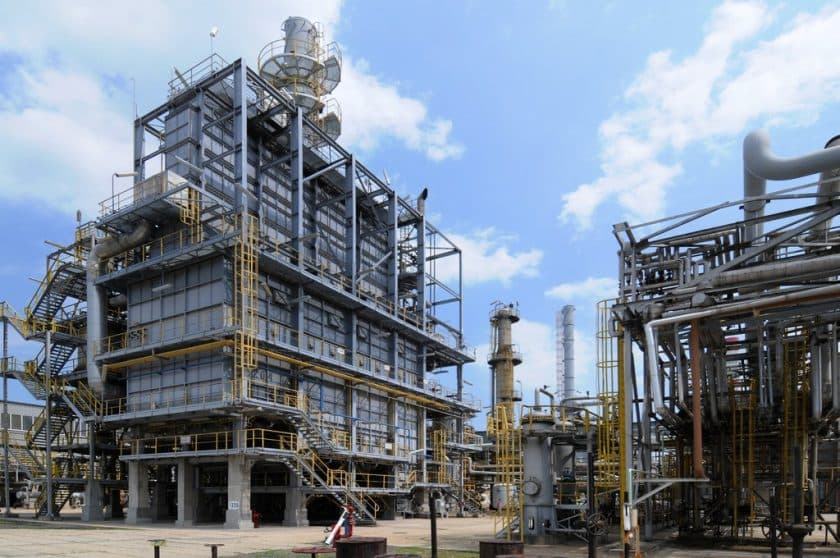
MPs will meet in an extraordinary session next Friday for the second reading of the government’s proposal to introduce an extraordinary tax on refineries. Speaker of the Chamber of Deputies Tomio Okamura (SPD) announced the session, with a single item on the agenda, to reporters. The government says the tax is needed because refinery margins have risen as a result of the situation on the global oil market. It will probably affect only the refineries in Kralupy nad Vltavou and Litvínov, which are owned by Orlen Unipetrol.
Under the proposal, the tax will apply for this year and next year. It will be levied on the increase in margins compared with 2025. The finance ministry estimates that the tax will bring in around 5.5 billion crowns for the state budget this year alone. The revenue for next year can only be estimated more precisely in 2027, depending on price developments.
The tax is intended to apply to companies with total annual revenues of at least two billion crowns and annual revenues from refining of at least 50 million crowns. Tax bases for tax periods beginning in 2026 and 2027 will be compared with the tax period beginning in 2025. The tax base will be calculated as the difference between revenue from sales of a company’s own products and the cost of crude oil consumed.
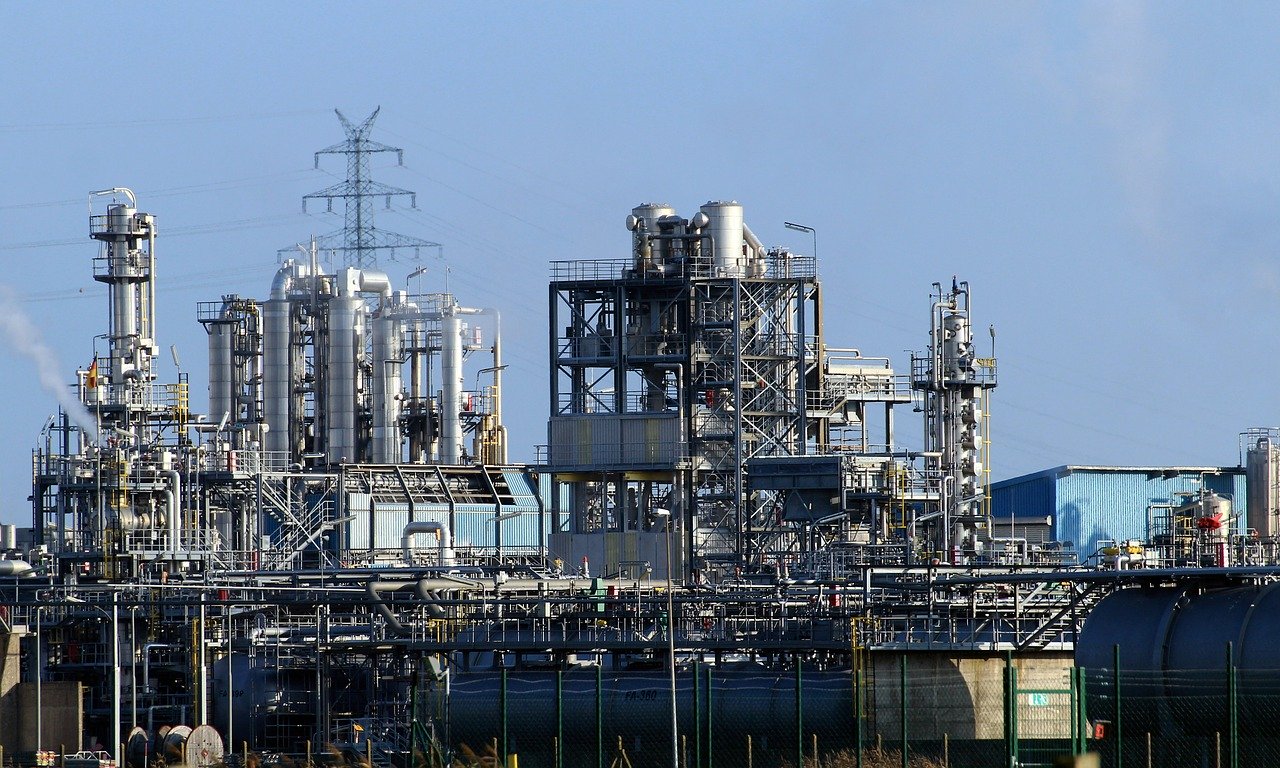
Refinery. Source: Pixabay
The budget committee is expected to conclude its debate on the tax amendment on Wednesday. The second reading is when MPs can submit amendments. STAN MPs have already proposed an amendment that would also subject foreign producers exporting their products to Czechia to the tax. The importer would pay it. TOP 09 MPs led by Jan Jakob want to reduce the tax rate from 50 percent to 39.5 percent. Their amendment would also remove the option of claiming the tax as a deductible expense when calculating the base for regular corporate income tax, so that it does not reduce revenues for municipalities and regions.
Asked whether the extraordinary tax could be extended to other sectors, Okamura said that SPD is part of these discussions. “Discussions are under way; we’ll see what our coalition partners propose,” he said. According to Okamura, SPD will not support any further taxation of Czech citizens. “We need to find other ways to raise revenue for the budget,” he said.
In 2022, the former government of Petr Fiala (ODS) introduced a windfall tax to cover the costs of capping gas and electricity prices, targeting energy, oil and mining companies as well as banks. Companies paid the so-called windfall tax for 2023 to 2025. The state collected around 114 billion crowns in total, a fraction of the revenue originally expected. The largest share came from the semi-state energy company ČEZ, which paid more than CZK 30 billion each year.
Translation disclaimer
This article is a machine translation of the Czech original and has not yet been fully reviewed. In case of any doubt, please refer to the Czech version.
Sdílejte článek prostřednictvím:
You might also like


5 November 2026, 12:44
5 November 2026, 06:36