Romania's energy sector gets a new boost: Iernut will help balance fluctuations in renewable generation
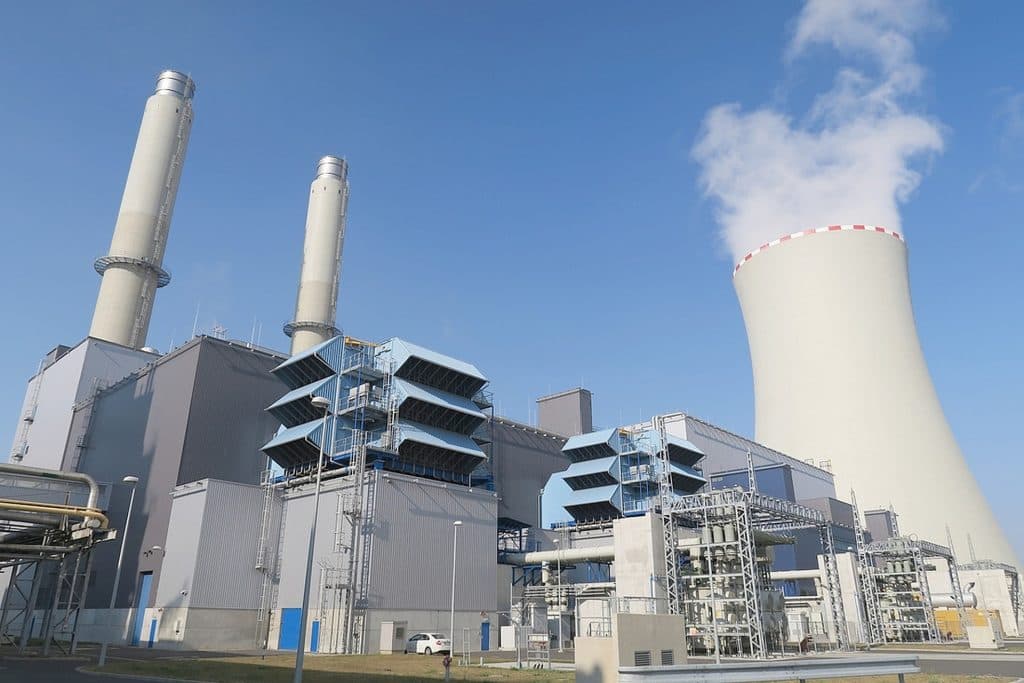
Romanian state-owned natural gas producer Romgaz is completing construction of the 430 MW Iernut combined-cycle power plant. The new facility is expected to be synchronised with the Romanian electricity grid no later than the first quarter of 2027 and enter commercial operation by the end of the first half of the year. Its launch comes as Romania faces the loss of a significant share of its nuclear generation and needs to strengthen the flexibility of its power system.
Project completion planned for 2027
The Ministry of Energy presented the latest schedule following an inspection of construction progress. Synchronisation of the power plant with the grid is planned for no later than the first quarter of 2027, while commercial operation is due to begin by the end of June that year. Preparatory work for pre-synchronisation testing is already under way. The project is being carried out by state-owned company Romgaz, which is acting as the general contractor. General Electric is also involved at the construction site. The ministry said that progress to date provides “firm grounds” to expect the project to meet its schedule.
The power plant uses combined-cycle gas turbine (CCGT) technology and is expected to achieve a gross electricity generation efficiency of 56.4%. By combining gas and steam turbines, it enables more efficient use of natural gas to generate electricity. Operational flexibility will also be an important feature, helping the plant respond to changes in electricity demand and variable output from renewable sources. The new facility could thus help balance fluctuations in the generation mix and strengthen the grid’s ability to respond to changes in load.
Black-start capability and support for the transmission grid
Iernut will also have black-start capability, meaning the power plant can be started without an initial supply of electricity from the external grid. This feature is especially important for restoring operations after a widespread power outage. According to the ministry, the plant’s location in central Romania could also help reduce the risk of transmission grid congestion. Once the necessary certifications and permits have been obtained, the facility will also be able to provide ancillary services that support the stability and security of the Romanian electricity grid.
Cernavoda outage increases pressure on electricity generation
The project’s completion comes as Romania faces constraints on nuclear generation. Both reactors at the Cernavoda nuclear power plant, with a combined capacity of approximately 1.3 GW, remain offline due to drought and low water levels on the Danube. Their return to operation has been repeatedly postponed, and is now expected on 8 November. If this date is met, cumulative generation losses will reach almost 2.95 TWh, according to S&P Global calculations. Romania must therefore rely more heavily on electricity imports from neighbouring countries. The day-ahead market price for delivery on 3 November reached €297/MWh, according to OPCOM data.
A further increase in generation capacity is expected from the Mintia gas-fired power plant, which is due to reach 1 GW of capacity by the end of the year. Testing of the first 575 MW turbine was completed on 15 October. The second turbine, with the same capacity, is due to undergo testing in the second half of December, the transmission system operator Transelectrica said. The Iernut and Mintia projects are thus strengthening the role of natural gas in Romania’s generation mix and are expected to contribute to greater flexibility and security of electricity supply.
Translation disclaimer
This article is a machine translation of the Czech original and has not yet been fully reviewed. In case of any doubt, please refer to the Czech version.