Czechia was the EU's fourth-largest electricity exporter last year, but its export share is declining

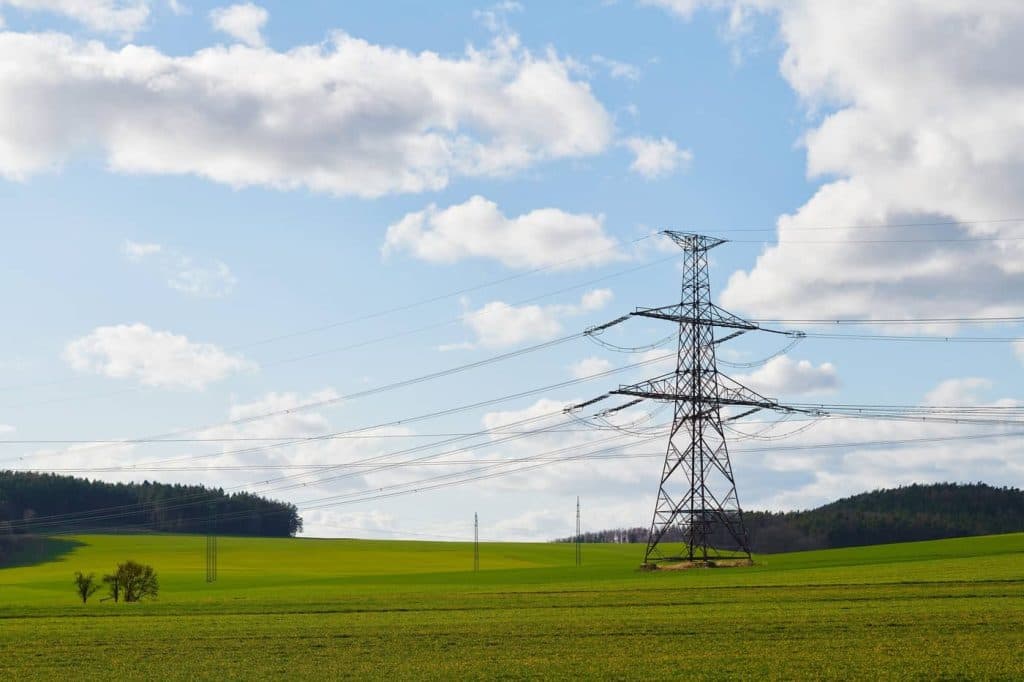
The Czech Republic remained a net electricity exporter last year, but its export share is declining. In total, it exported nine terawatt-hours (TWh) of electricity in 2023, five TWh less year on year. Even so, Czechia was the EU's fourth-largest electricity exporter last year. This is according to an analysis by consultancy EGÚ Brno, provided to the Czech News Agency (ČTK). The analysis says exports will continue to decline as coal is phased down, meaning the Czech Republic could become an importer in a few years.
France was the EU's largest exporter last year, while Germany became a net electricity importer for the first time in more than 20 years, EGÚ Brno said. The analysis attributed the decline in Czech electricity exports mainly to lower output from coal- and gas-fired power plants, which became less profitable as prices fell.
„France was the EU's largest exporter, with 49 TWh, and nuclear power plants play a major role in its electricity generation. In some countries, nuclear generation, combined with suitable conditions for using hydropower, is a key prerequisite for electricity exports. This is true, for example, of Sweden, which exported 29 TWh in 2023,“ said Petr Čambala, managing consultant at EGÚ Brno.
Spain was the third-largest exporter, with 14 TWh, most of which went to Portugal.
Slovakia returned to being a net electricity exporter for the first time since 2007. It exported 3.5 TWh in 2023, primarily as a result of the commissioning of the nuclear power plant at Mochovce. Germany, on the other hand, became a net electricity importer for the first time in more than 20 years, importing nine TWh. The analysis said this was a result of nuclear power plants being shut down and lower electricity supplies from coal-fired plants. Germany had exported almost 50 TWh to neighbouring countries in 2018 and 28 TWh the year before last.
Austria has long been a net importer, but last year its deficit fell from ten TWh to approximately two TWh, thanks to higher output from hydropower plants and lower consumption. Poland (which imported four TWh) and Hungary also ran a deficit last year; Hungary has long imported approximately a quarter of its annual consumption. „We do not expect any significant changes in any of these countries in the medium term, and they are very likely to remain net importers,“ noted Matěj Hrubý, managing consultant at EGÚ Brno.
Italy was the EU's largest electricity importer, importing 50 TWh. Other significant importers in the EU included Hungary (11 TWh) and Portugal (ten TWh). The UK also ran a substantial deficit in 2023, importing 27 TWh of electricity.
„If, for political reasons, we were to shut down coal-fired power plants in the Central European region, then even with ambitious growth in renewable energy, we would need to find a new source to meet around 250 TWh of demand by 2030. This would be the case even if we assumed only a negligible overall increase in consumption of ten percent. Greater political pressure to replace coal would therefore lead to a significant rise in electricity prices, particularly in winter,“ added Michal Macenauer, strategy director at EGÚ Brno.
According to EGÚ Brno, electricity generation in the Czech Republic fell by ten percent year on year last year, with domestic power plants producing a total of 72 TWh. This was the lowest output since 2002. The main reason was lower economic activity in industry. The Czech Republic's annual net electricity consumption has remained around 60 TWh for 17 years.
sip rdo
Translation disclaimer
This article is a machine translation of the Czech original and has not yet been fully reviewed. In case of any doubt, please refer to the Czech version.




