
23 October 2026, 14:38
Loading...
Study: Cheaper foreign sources can soon replace electricity from Czech coal

oEnergetice.cz, ČTK
25 September 2024, 10:11
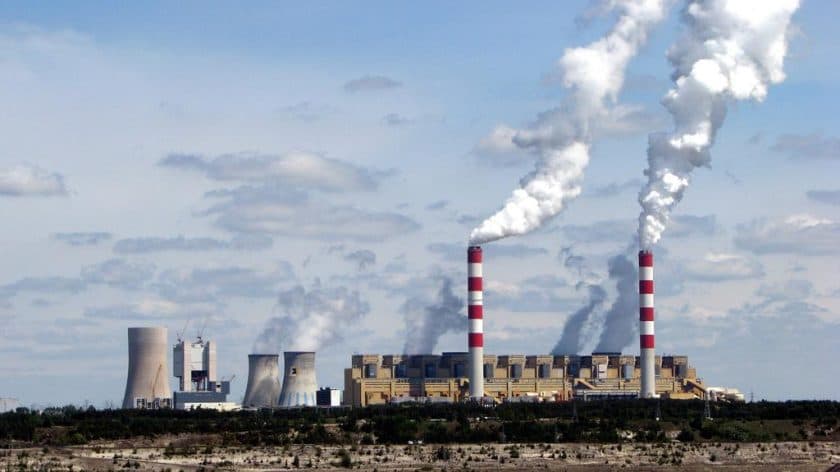
Cheaper sources from neighboring countries could reliably replace electricity from Czech coal-fired power plants in the coming years, according to a study by the Fakta o klimatu project, which CTK has seen. By contrast, coal will continue to be burned in district heating in the coming years, according to the study’s authors, and decarbonization will be slower. The study says that developing a modern energy sector based on renewables is important to keeping electricity and heat prices low as coal is phased out.
According to the analytical team at Fakta o klimatu, it would not be economically viable to operate the vast majority of Czech coal-fired power plants if emissions allowance prices rise. Cheaper sources, primarily from neighboring countries, would push these plants out of the electricity market, and their capacity would be sufficient to meet the Czech Republic’s needs. The situation is different in coal-fired district heating, where production cannot be replaced as easily as electricity, the study says.
The study found that Czechia needs to develop solar and wind power, as this could reduce wholesale electricity prices and imports. The grids also need to be expanded to allow more renewable sources to connect. To ensure reliable and affordable supplies of electricity and heat, it will be important to keep the remaining coal-fired heating plants operating temporarily, along with the coal mining they require, until replacement sources are available. Keeping coal-fired power plants operating would, according to the study, require an estimated six billion crowns in public support annually through 2028.
Countries that would increase exports if emissions allowances became more expensive include Sweden, Romania and Italy. Some countries would switch from being net importers to exporters, including Austria and Greece.
The study examines two ways of developing energy sources through 2028. Faster development has several advantages over slower, more gradual progress. Less electricity would need to be imported, power generation would be cheaper and emissions would be lower. Moreover, if new combined heat and power plants are built appropriately and energy storage and management capabilities are strengthened, Czechia could more easily replace a greater number of coal-fired heating plants, the study says.
Faster development of energy sources through 2028 on the scale set out in the study could lower wholesale electricity prices in Czechia by almost seven euros (around CZK 176) per megawatt-hour, the study says. Electricity in Czechia will most likely still be more expensive than in Germany, but cheaper than in Poland.
The European Union aims to become a climate-neutral bloc by 2050, which requires phasing out coal and thereby reducing greenhouse gas emissions. One of the tools is the transition to renewable energy sources, as set out in the political initiatives of the European Green Deal. Another example is emissions allowances, which operators in energy-intensive sectors pay for emitting carbon dioxide and other greenhouse gases.
Translation disclaimer
This article is a machine translation of the Czech original and has not yet been fully reviewed. In case of any doubt, please refer to the Czech version.
Sdílejte článek prostřednictvím:
You might also like


23 October 2026, 11:01


23 October 2026, 06:34