10 October 2026, 07:37
Loading...
Data centers are squeezing Europe's power supply. AI could slow the green transition and industry
Veronika Jurcová
17 July 2026, 11:02
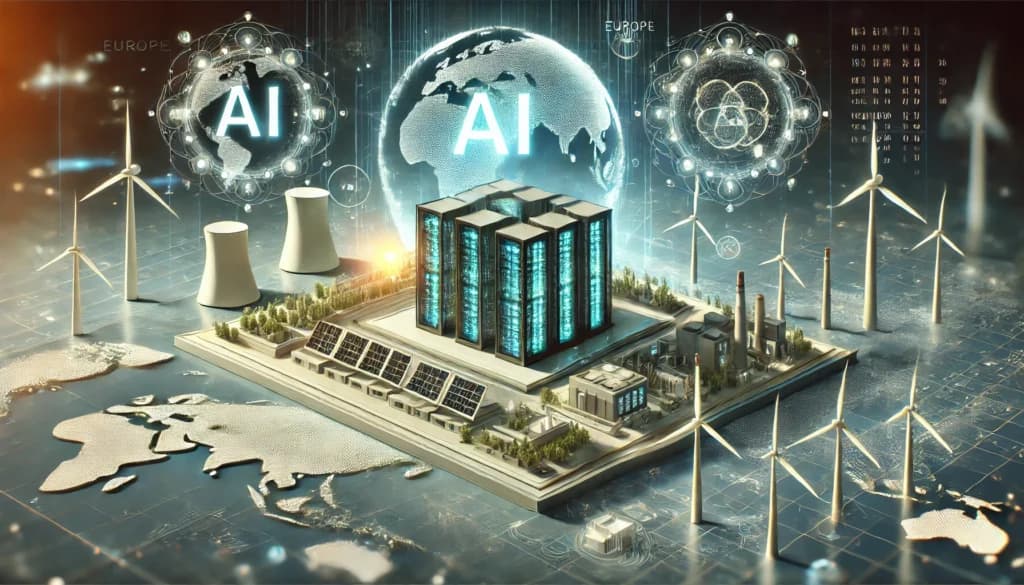
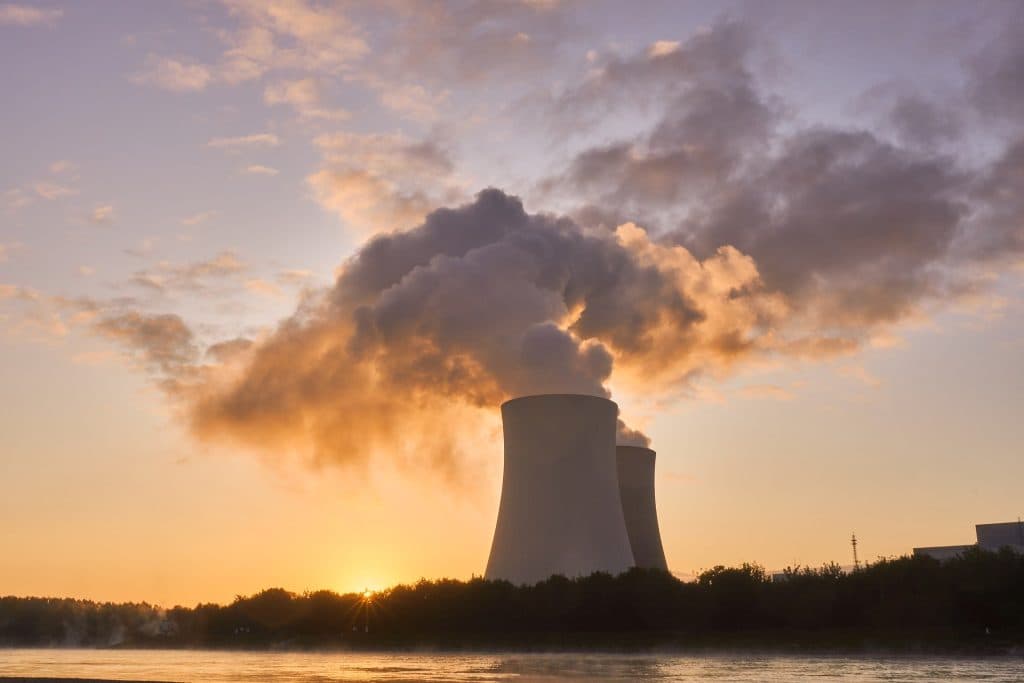
The AI boom is putting new pressure on Europe’s energy sector. Electricity consumption by data centers could more than triple by 2030, and grid operators are increasingly having to decide which projects should get priority when connecting to the grid. Tech giants are not the only ones seeking the same capacity: producers of green hydrogen, batteries and low-emission steel are also competing for it. Experts warn that, without timely investment in energy infrastructure, a bottleneck could emerge for Europe’s decarbonisation and industrial transformation, reports Montel News.
Europe’s energy sector is facing a new phenomenon. While in recent years most debate has focused on the development of renewables, electric mobility and green hydrogen production, data centers are becoming increasingly significant electricity consumers. The rapid rise of AI is dramatically increasing demand for computing power—and, in turn, for energy.
According to consultancy McKinsey, the power demand of European data centers will rise from approximately 10 GW in 2024 to 35 GW by 2030. That is an increase of 25 GW over six years, equivalent to around twelve of the Dukovany nuclear power plants operating today. This kind of expansion is beginning to run up against the limits of transmission networks and available generation capacity.
Some European countries are therefore already openly discussing restrictions on the construction of new data centers. Similar debates are taking place, for example, in Scotland and Denmark.
Data centers are coming into direct conflict with decarbonisation
According to Johan Magnusson of the Swedish Center for Digital Innovation at the University of Gothenburg, neither electricity nor grid capacity is an unlimited resource. If data centers with a capacity of several gigawatts are connected to the grid, pressure on electricity prices and the development of energy infrastructure will increase.
This could complicate the development of sectors that the European Union considers crucial to decarbonisation. These include electric mobility, as well as the production of green hydrogen, synthetic fuels, batteries and low-emission steel. These projects will increasingly compete with data centers for the same grid capacity.
Transmission system operators point out that the problem is not simply the total amount of electricity generated. In many regions, the main constraint is available grid capacity and how quickly it can be expanded. Even projects that could theoretically be supplied with enough carbon-free electricity are running into inadequate infrastructure and long waits for grid connections.
The trend is already evident in Sweden. Some energy-intensive industrial investments are being postponed because of high costs and uncertain conditions, while technology companies continue to build large data center campuses. According to transmission system operator Svenska Kraftnät, new projects with a total power demand of approximately 3 GW could be developed there by 2030. The largest include a planned EdgeConneX facility at the former Northvolt site, the new EcoDataCenter campus and a planned Google project.
Europe seeks its own path
European governments are in a difficult position. On the one hand, they want to build their own AI infrastructure and reduce their dependence on US technology companies. On the other, data centers are beginning to consume a significant share of the electricity and grid capacity also sought by other strategic sectors.
Nevertheless, the development of AI infrastructure is considered an important prerequisite for Europe’s future competitiveness. France has therefore announced major investments in AI infrastructure, highlighting the availability of low-emission electricity from nuclear power plants as one of its main advantages. Croatia is also preparing to build an AI-focused data center worth approximately 50 billion euros.
Rising energy needs are also prompting technology companies to seek their own power sources. In the United States, they are signing long-term contracts with nuclear power plant operators or investing in new nuclear projects, including small modular reactors.
Magnusson points out, however, that the issue is not just about electricity. While data centers consume ever-growing amounts of energy, they create relatively few jobs compared with industrial projects. Moreover, a significant share of the economic value associated with AI development is generated outside Europe, primarily in the United States. That is why debate is intensifying over whether projects that bring greater benefits to the European economy should be given priority when limited grid capacity is allocated.
Who gets priority?
The debate over data centers is therefore not merely a technological question. At its core, it is about how Europe wants to use its limited energy resources and grid infrastructure.
In the coming years, politicians, regulators and grid operators will increasingly have to choose between supporting the digital economy and electrifying industry. Without massive investment in electricity generation and the development of transmission and distribution networks, these two strategic goals could come into conflict.
Paradoxically, one of the biggest obstacles to European decarbonisation could be the very technology often seen as a symbol of future economic development.
Translation disclaimer
This article is a machine translation of the Czech original and has not yet been fully reviewed. In case of any doubt, please refer to the Czech version.
Sdílejte článek prostřednictvím:
You might also like

10 October 2026, 07:02


9 October 2026, 13:47