10 October 2026, 07:37
Loading...
CBAM hits the Balkans. EU carbon tariffs hamper electricity trade and decarbonisation
Veronika Jurcová
5 February 2026, 10:31
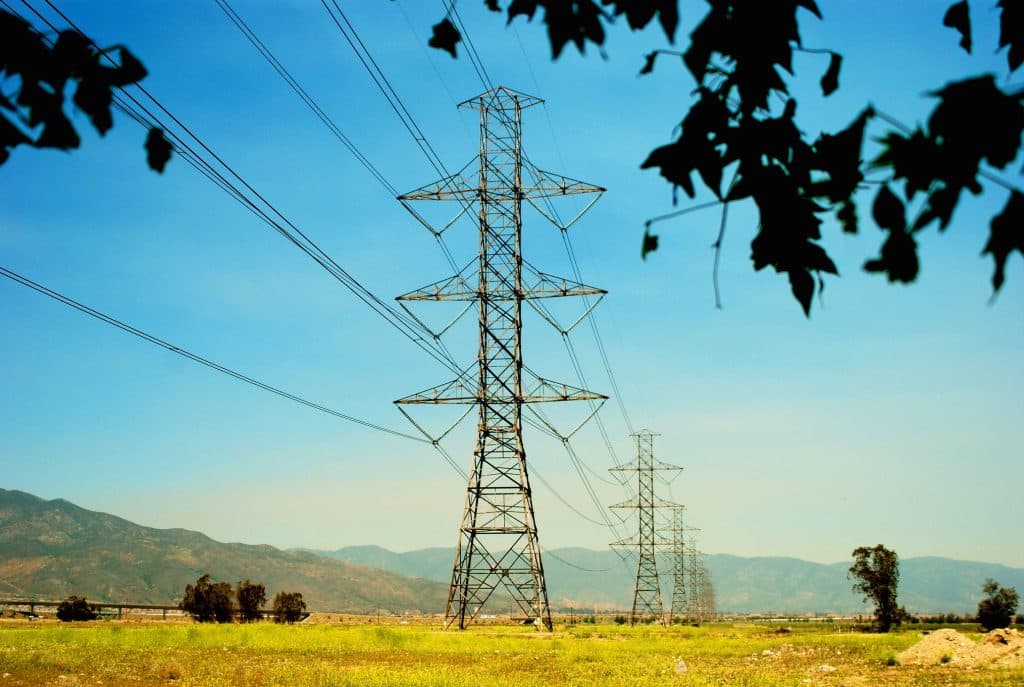
The European Union’s Carbon Border Adjustment Mechanism (CBAM) entered its definitive phase on 1 January this year, and has begun to affect electricity trade between the European Union and the Western Balkan countries. Although the European Commission proposed changes to the rules at the end of last year to mitigate their impact, uncertainty in the market persists. The changes will come with a significant delay, and in the meantime CBAM is complicating trade, widening price differences and sending conflicting signals to clean energy investors in a region that is also seeking to join the EU, Montel News reports.
CBAM is one of the European Union’s key climate policy instruments and a central pillar of the European Green Deal and the Fit for 55 package. Its purpose is to prevent emissions-intensive production from moving outside the EU by imposing a carbon tariff on imports of selected goods, in line with the EU Emissions Trading System. The obligation applies to products with a high carbon footprint, such as cement, iron and steel, aluminium, fertilisers, electricity and hydrogen. The mechanism is intended to level the playing field between European producers, who pay for emissions through allowances, and their competitors abroad.
The regulation was adopted in 2023, the transitional period ended at the close of 2025, and as of 1 January this year importers have been required to pay for emissions associated with the production of selected imported goods using CBAM certificates. The European Commission is also preparing changes to the rules to better account for the specific characteristics of the electricity sector, but their approval could take until the end of the year or even longer.
The impact is particularly pronounced in the Western Balkan countries—Albania, Bosnia and Herzegovina, Montenegro, North Macedonia, Serbia and Kosovo. These countries are not EU members, but are closely connected to its energy market, have significant cross-border electricity flows and are also seeking membership in the bloc. CBAM is therefore affecting them at a sensitive time, as they try to align with European rules while transforming their energy mixes. In its current form, the mechanism is based on five-year historical emissions averages, which no longer reflect reality: the region is gradually moving away from coal and increasing the share of renewables, but CBAM does not yet fully account for this.
Market impacts: less trade, wider gaps, higher risk
The introduction of CBAM is having an immediate impact on how the market operates. Traders have begun to scale back cross-border transactions between the Western Balkans and the EU, both because of the direct costs and uncertainty about future rules. Liquidity in cross-border markets is falling, available transmission capacity is being used less, and price differences between Balkan markets and the EU are widening.
A key problem is that CBAM does not distinguish between electricity sources in real time. Electricity exported during a surplus of wind, solar or hydropower is subject to the same carbon charge as electricity generated from coal. This undermines the basic logic of short-term markets, where prices and trading flows are determined on an hourly or quarter-hourly basis. For traders, this creates a risk that is difficult to manage and that they often choose not to take.
Transit is another problem. Electricity often passes through several countries without being consumed, and the current CBAM rules do not clearly explain how to prove the origin of energy in such cases. As a result, traders are beginning to avoid Balkan transit routes, even when they are technically efficient. This makes the regional grid less efficient and puts greater pressure on alternative routes within the EU.
Relief from Brussels will come too late
The European Commission is trying to respond to criticism. It has proposed changing how national emissions factors are calculated so that they reflect the entire energy mix, rather than only the fossil fuel component. For some countries, this would mean a substantial reduction in costs—for Serbia, for example, by as much as tens of per cent. The Commission is also proposing to ease the conditions for using actual emissions values, which is particularly important for renewable electricity producers, and to adjust the rules for market coupling.
The problem, however, is the timing. Even if the changes are approved, they will not take effect before the end of the year. Until then, the original rules will remain in force and the market will be uncertain about the actual costs for 2026. Under the current arrangements, CBAM charges in countries with a high share of coal could be around 70 to 80 euros per MWh—high enough in some cases to exceed the price of electricity itself.
Negative signals for decarbonisation
From a climate perspective, the most problematic impact of CBAM is the investment signals it sends to the region. The Western Balkans has considerable renewable energy potential and a strong incentive to decarbonise as part of its EU accession process. In its current form, however, CBAM is more likely to slow this process down.
The mechanism penalises countries based on historical emissions, not current behaviour. Even new wind or solar power plants may face a high carbon charge if they do not meet the formal criteria for using actual emissions values. This increases regulatory risk and reduces the returns on long-term clean energy investments.
At the same time, restrictions on exports to the EU reduce demand for electricity during periods of renewable energy surplus. Instead of exporting green electricity to replace more carbon-intensive generation elsewhere in Europe, it is curtailed. The short-term climate benefits of CBAM in the electricity sector are therefore limited and, in some respects, even counterproductive.
CBAM was originally intended to accelerate the introduction of carbon pricing in countries outside the EU and bring their energy markets closer to European standards. In practice, however, for electricity it is currently doing more to fragment the market, undermine investment certainty and complicate decarbonisation in a region that is set to become one of the union’s future members.
The coming months will determine whether the European Commission can amend the mechanism in time so that it genuinely supports emissions reductions without disrupting the market. If it fails, CBAM could become more of a political and economic burden than an effective climate instrument.
Translation disclaimer
This article is a machine translation of the Czech original and has not yet been fully reviewed. In case of any doubt, please refer to the Czech version.
Sdílejte článek prostřednictvím:
You might also like

10 October 2026, 07:02

9 October 2026, 13:47