
22 September 2026, 14:20
Loading...
German transmission system operators propose 3 options for dividing the German bidding zone

David Vobořil
14 October 2019, 07:48
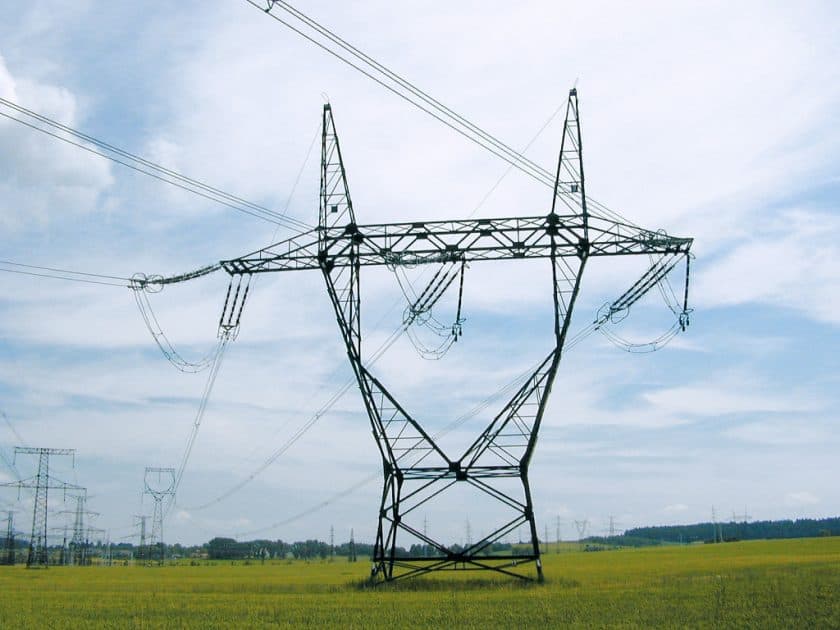
European transmission system operators (TSOs) have launched an analysis of alternative bidding zone configurations, submitting their proposals for research methodologies and alternative bidding zone configurations to be considered in the analysis to national regulatory authorities on 4 October. Germany has proposed 3 possible configurations, while the Czech Republic has not submitted any alternative.
European TSOs have thus launched the first step towards an analysis of the reconfiguration of European bidding zones, which could lead to a formal proposal for new configurations in 2021.
Bidding zones are areas in which a single wholesale electricity price applies. In most cases, they follow national borders. Trading between individual bidding zones can take place only until the available transmission capacity at their border is exhausted.
The purpose of the bidding zone review is to determine whether alternative configurations can, while maintaining operational security, improve the economic operation of power systems and free up more transmission capacity for cross-border trading.
EU member states are facing growing pressure from the Agency for the Cooperation of Energy Regulators (ACER), as under the EU regulation on the internal electricity market, bidding zones should take account of bottlenecks in individual transmission systems that lead to so-called structural congestions.
The adoption of the final legislation under the Fourth Energy Package in May established a requirement to make 70 % of technical cross-border transmission capacity available for trading by 2020. Countries at risk of failing to meet this requirement are required to draw up plans to remedy the situation or apply for derogations by the end of this year. Derogations may then be granted until the end of 2025.
National regulatory authorities, or ACER, will decide which bidding zone configurations are ultimately included in the review.
Czech Republic did not submit an alternative proposal
The Czech Republic has a single bidding zone. The Czech TSO, ČEPS, did not offer an alternative to its current configuration. It justified this step by stating that it is fully in line with the conclusions of ACER's 2017 Market Monitoring Report and the technical report provided by the European Network of Transmission System Operators for Electricity (ENTSO-E).
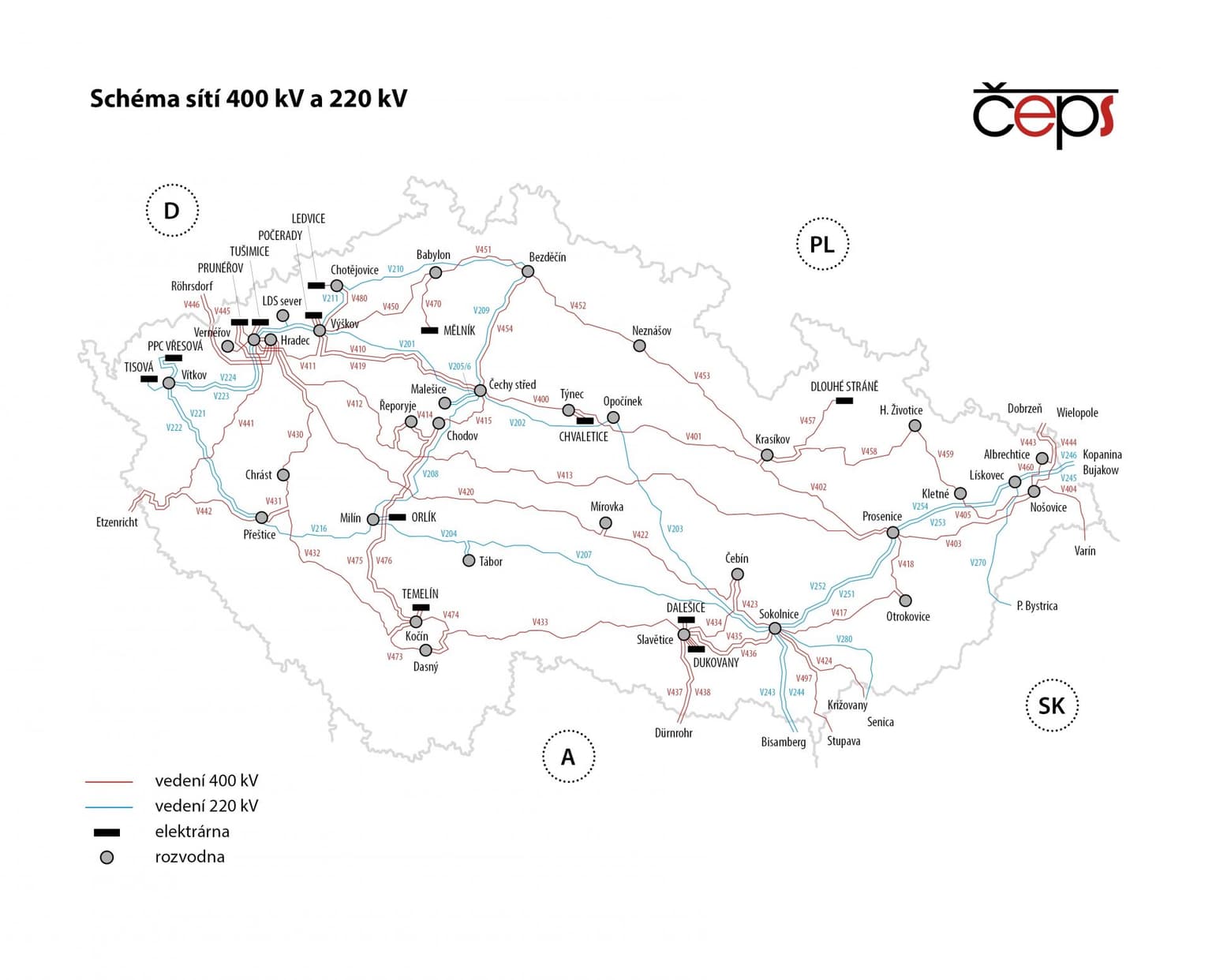
According to the findings of the latest technical report, the Czech transmission system does not contain bottlenecks resulting in congestion that meets the criteria for structural congestion.
However, the Czech Republic is not the only country that has not submitted an alternative to the current configuration of its bidding zone. Of the 15 bidding zones in the Central Europe region, most TSOs have taken this approach; only Germany, the Netherlands and Austria have submitted alternative configurations.
Germany's alternative bidding zone configurations
Germany has previously stated that it opposes the idea of dividing its bidding zone, but its insufficiently developed transmission system makes the country one of the most serious candidates for such a split.
The reason is bottlenecks along the north-south axis, which result in structural congestion. As renewable energy sources, particularly wind farms in the north of the country, continue to expand, the regional generation imbalance between Germany's surplus north and industrial south will further increase. In southern Germany, the problem of insufficient generation capacity will also deepen further with the shutdown of nuclear power plants in 2021 and 2022.
Although Germany is planning major investment in grid infrastructure to resolve its bottleneck issues in the long term, it is encountering delays in the construction of transmission lines.
Over the past 3 years, it has built only 403 km of new lines in its transmission system. However, Germany needs thousands of kilometres of new lines to resolve its problems. The main issue remains opposition from local residents and a lack of willingness among the governments of individual federal states to grant permits, as they side with their residents for political reasons.
Germany and Luxembourg currently form a joint bidding zone. German TSOs have developed three possible alternative bidding zone configurations:
- splitting the current bidding zone into northern and southern bidding zones along the borders of Bavaria and Baden-Württemberg,
- splitting it into northeastern and southwestern bidding zones, roughly along the borders of the federal states of Bavaria, Hesse and North Rhine-Westphalia,
- expanding the second configuration with a further division along the borders of Schleswig-Holstein.
German-Austrian bidding zone split a year ago
The most recent change to the configuration of bidding zones in Europe was the split of the German-Austrian bidding zone in October last year. It was implemented as one of the measures to prevent unplanned power flows from Germany into the transmission systems of neighbouring countries, particularly Poland and the Czech Republic.
These flows were caused by the fact that the single bidding zone allowed Germany unrestricted cross-border trade with Austria. As a result, this led to differences between commercial and physical electricity flows between the two countries of up to several gigawatts.
Austrian companies are feeling the consequences of the German-Austrian bidding zone split not only in higher electricity prices, but also in increased hedging risk.
The full documentation on the proposed research methodologies and alternative bidding zone configurations is available on the ENTSO-E website.
Lead photo source: ČEPS
Translation disclaimer
This article is a machine translation of the Czech original and has not yet been fully reviewed. In case of any doubt, please refer to the Czech version.
Sdílejte článek prostřednictvím:
You might also like
22 September 2026, 12:50
22 September 2026, 06:09
21 September 2026, 15:25